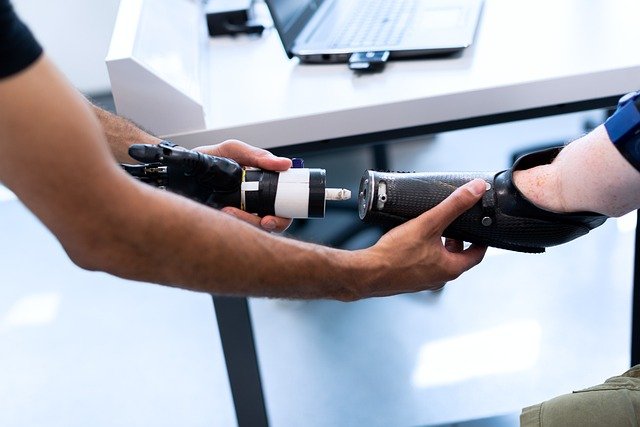
Myoelectric prosthetics have changed the way people with limb loss interact with the world. Unlike traditional prosthetic limbs that rely on body-powered movement, myoelectric prosthetics use electrical signals from muscles to provide more natural, intuitive control. These advanced devices have given users better grip strength, smoother motion, and increased independence. But the technology is evolving […]
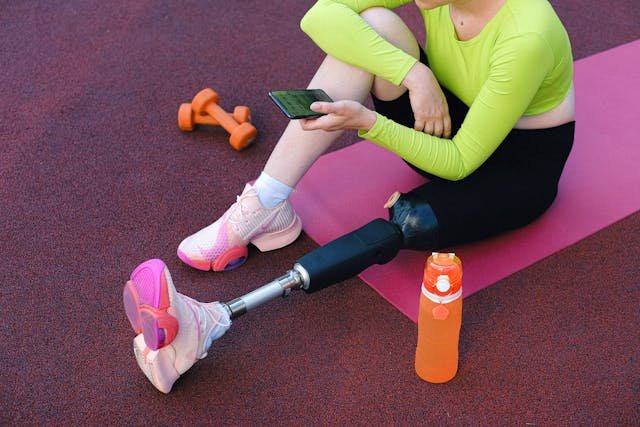
The world of assistive technology is changing fast. In the past, people with disabilities had to rely on expensive, limited, and often outdated solutions. But now, a wave of innovative startups is transforming the assistive tech industry, making devices smarter, more affordable, and accessible to more people than ever before. Between 2025 and 2030, assistive […]
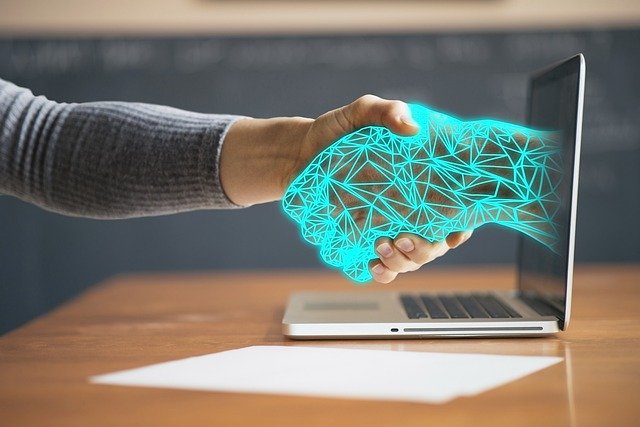
Prosthetic technology has always been focused on restoring lost function, helping amputees regain mobility and independence. But what if prosthetics could do more? What if they could enhance human abilities beyond natural limits? The next frontier of prosthetic development is moving from restoration to augmentation, unlocking superhuman strength, precision, and sensory perception. Between 2025 and […]
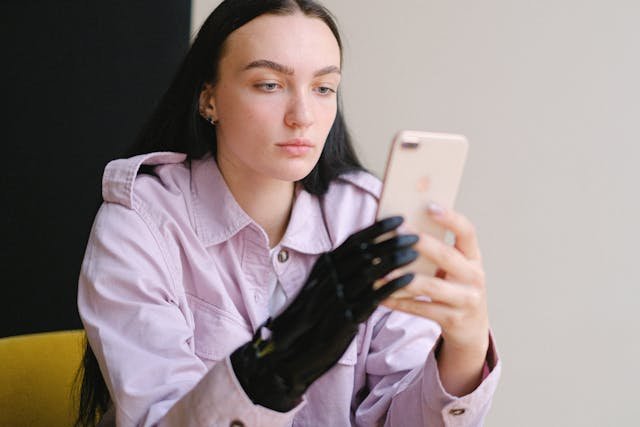
Smart prosthetics are evolving rapidly, integrating artificial intelligence, real-time motion tracking, and sensory feedback to create more natural and intuitive movement for amputees. However, one of the biggest challenges remains: seamless, ultra-fast communication between the prosthetic limb and the brain, cloud servers, and other smart devices. This is where 6G connectivity is expected to make […]
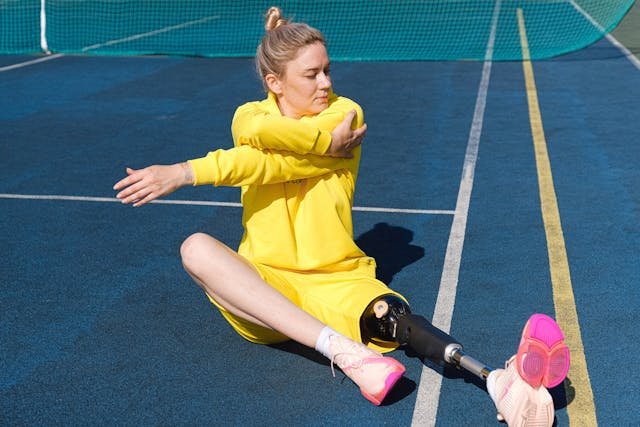
For years, prosthetic limbs have focused on restoring movement, but they have lacked something crucial—the ability to feel. Without touch, even the most advanced prosthetics remain tools, not true extensions of the body. Now, thanks to advanced haptic technology, prosthetic limbs are becoming more lifelike, allowing users to experience sensation, pressure, temperature, and texture just […]