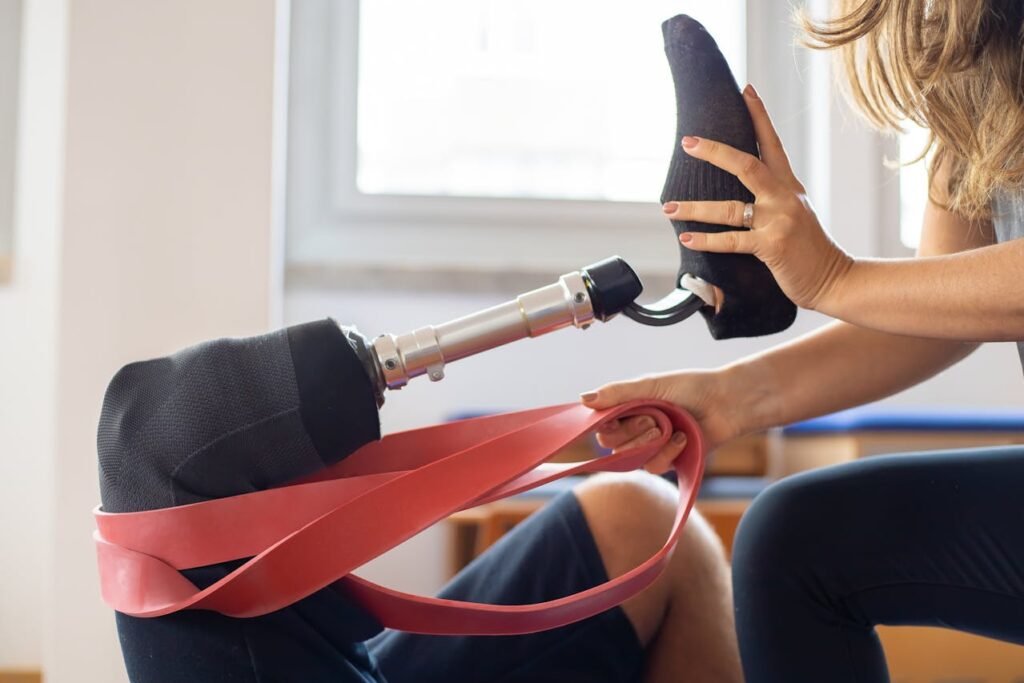
Getting a trans-radial prosthetic is a major step toward regaining independence and mobility, but simply having a prosthetic is not enough. To truly benefit from it, you need to train your muscles, develop coordination, and adapt to daily life with your new limb. Whether you’re using a body-powered or myoelectric prosthetic, proper training and adaptation […]
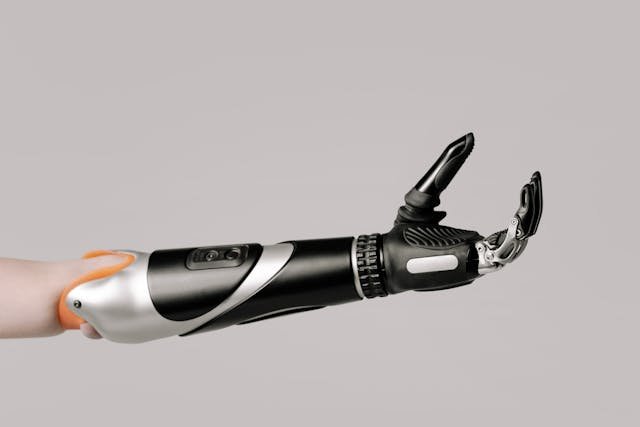
The world of prosthetic design is evolving rapidly, and one of the biggest breakthroughs in recent years has been 3D printing technology. For individuals with wrist disarticulation, where the hand is amputated at the wrist while keeping the full-length forearm, traditional prosthetic solutions have often been expensive, heavy, and difficult to customize. However, 3D printing […]

For below-elbow amputees, choosing the right prosthetic arm is a crucial step toward regaining independence and functionality. Two of the most commonly used prosthetic options are body-powered prosthetics and myoelectric prosthetics. Each type offers unique benefits and challenges, and the best choice depends on factors like lifestyle, activity level, and personal preferences. Body-powered prosthetics use […]

For trans-radial amputees, the socket is the foundation of a well-functioning prosthetic limb. It serves as the direct connection between the residual limb and the prosthetic hand, influencing comfort, control, and overall usability. A poorly fitted socket can cause discomfort, limit movement, and lead to skin irritation, making daily activities more challenging. On the other […]

Myoelectric technology has transformed the way trans-radial prosthetic hands function, offering users improved mobility, precision, and independence. Unlike traditional body-powered prosthetics, which rely on cables and harnesses, myoelectric prosthetics use electrical signals from muscles to control hand movements. This technology enables smoother and more intuitive interactions, making daily tasks easier and more natural for users. […]