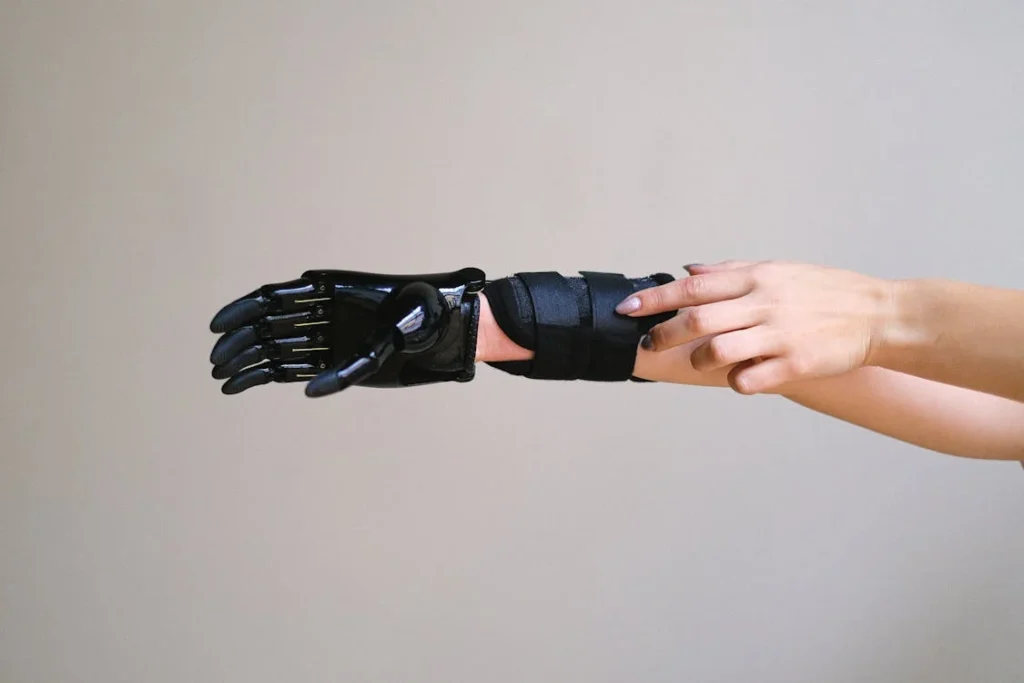
Wearing a prosthetic limb is life-changing, offering freedom and mobility. But for many users, skin problems around the prosthetic socket can be a daily struggle. Redness, rashes, sores, and irritation often make wearing a prosthesis uncomfortable. While proper socket fit and hygiene are critical, one factor that often goes unnoticed is nutrition. What you eat […]

Staying hydrated is one of the most important yet often overlooked aspects of health. For amputees, proper hydration is even more critical. The body relies on water to regulate temperature, support muscle function, and keep the skin healthy—all essential factors when using a prosthetic limb. Dehydration can cause fatigue, muscle cramps, and skin irritation, making […]
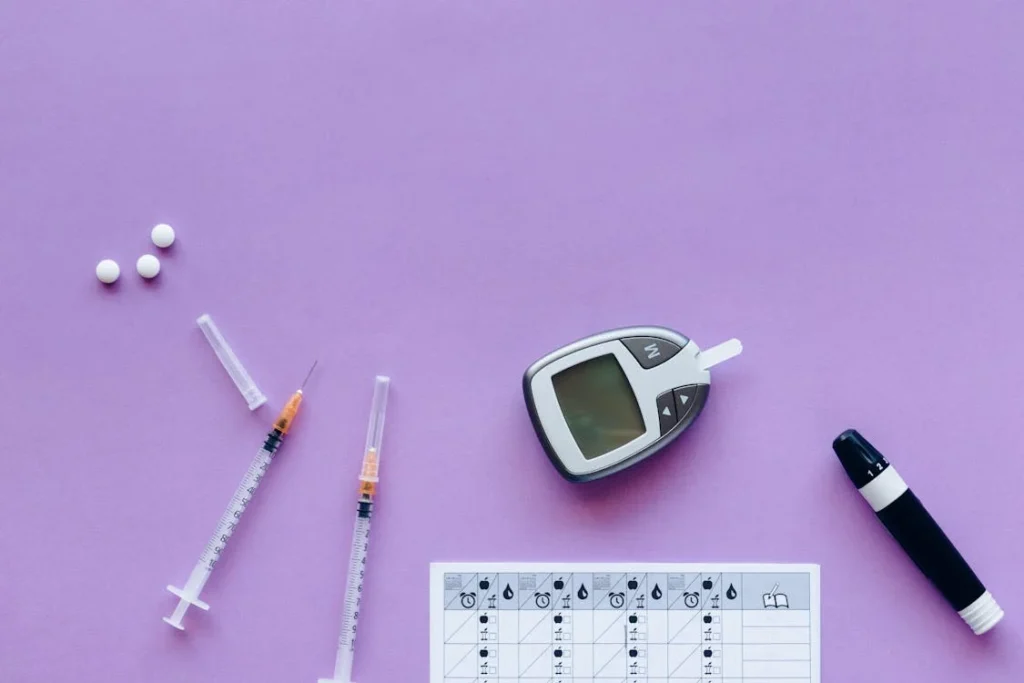
Diabetes is one of the leading causes of limb loss, and managing both conditions together can be challenging. When blood sugar levels are not controlled, they can lead to poor circulation, nerve damage, and slow healing, making life with a prosthetic limb even more difficult. However, with the right nutrition and health habits, amputees with […]
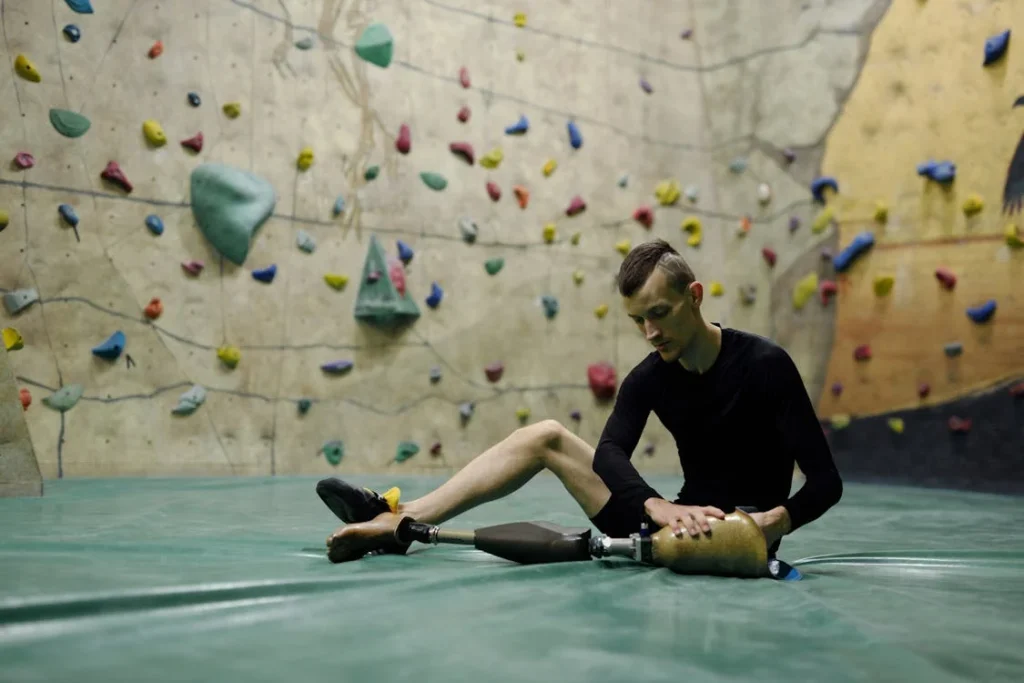
Losing a limb changes many aspects of life, and your body’s health becomes more important than ever. Strong bones and muscles are key to maintaining balance, mobility, and overall well-being. But did you know that the right vitamins and minerals can make a big difference in how your body adapts to a prosthetic limb? When […]

Protein plays a vital role in healing, rebuilding muscles, and maintaining overall strength after an amputation. The body undergoes many changes following limb loss, and proper nutrition is essential to support recovery and long-term health. Since amputees experience shifts in metabolism, muscle mass, and mobility, their protein requirements are often different from those of non-amputees. […]