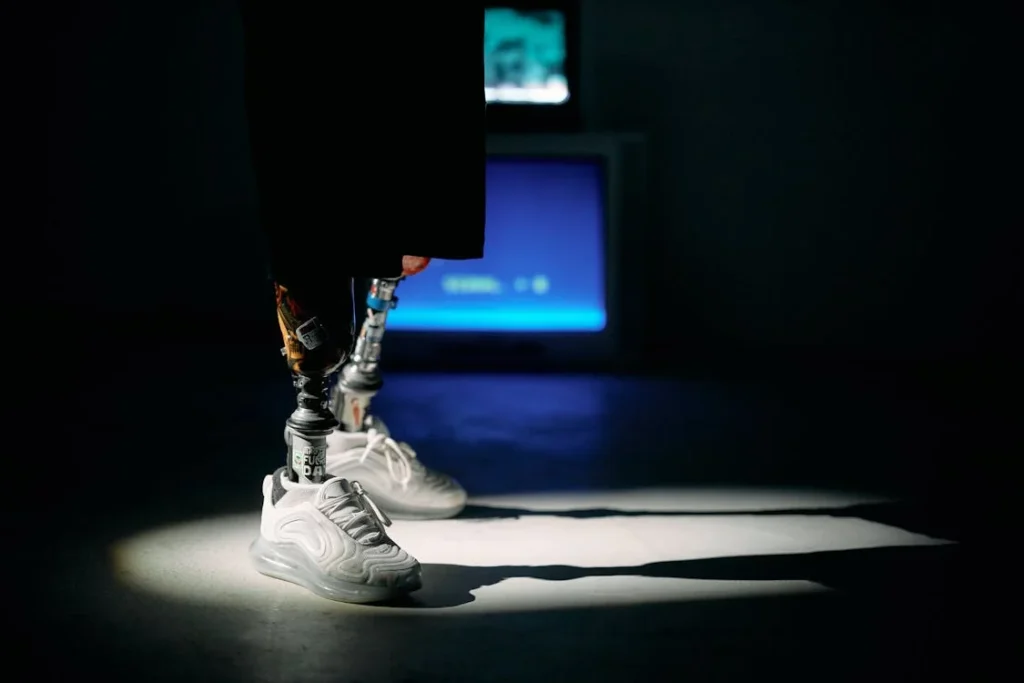
Walking on two prosthetic legs is a challenge that’s hard to describe unless you’ve lived it. For people with bilateral lower limb amputations, every movement is a test of balance, strength, and trust — trust in the prosthetic limbs, in the body, and in the process of learning all over again. The way the body […]
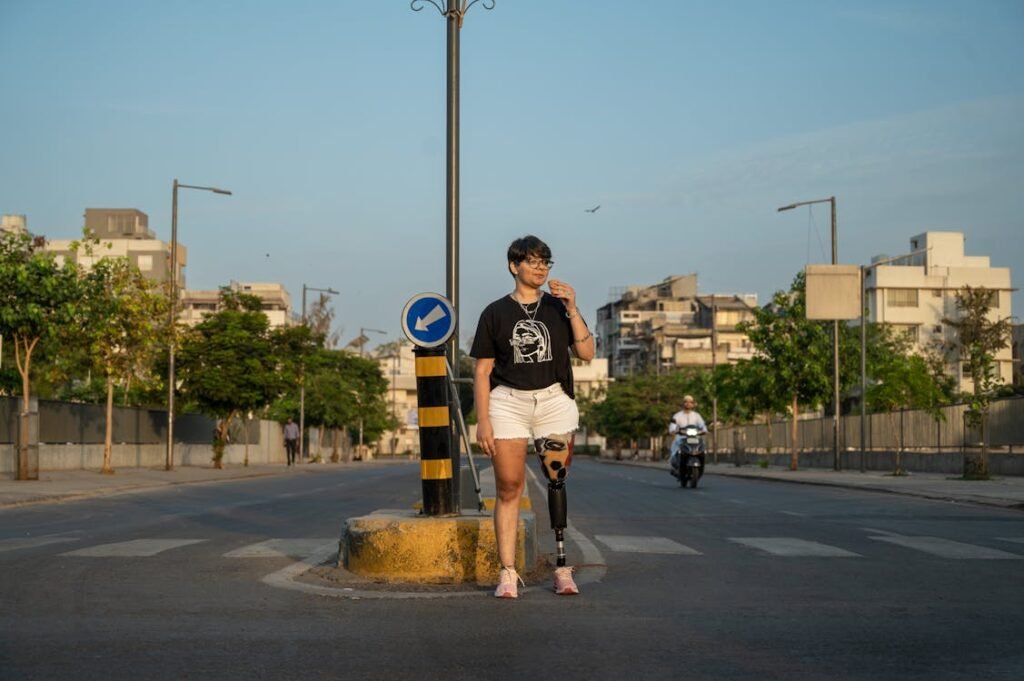
Every step takes effort. But for someone with a lower limb amputation, that effort isn’t just physical — it’s a calculation. A quiet, constant balancing act between comfort, energy, and movement. One of the biggest parts of this equation is weight-bearing — how the body supports itself while walking, standing, or even shifting from one […]
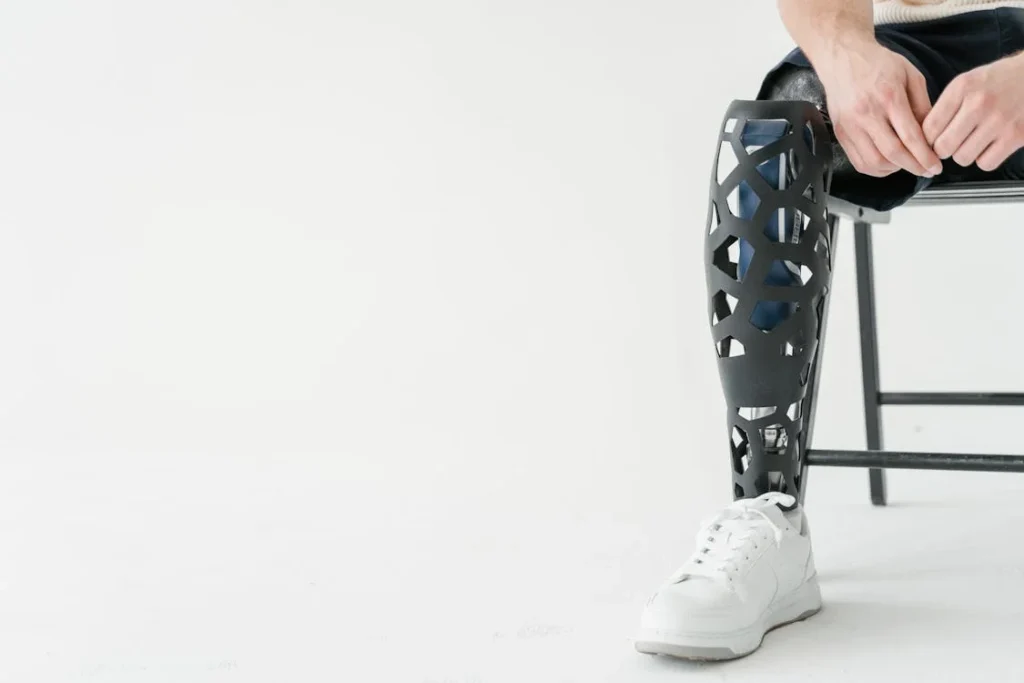
Walking with a prosthetic leg isn’t just about movement — it’s about connection. It’s about how well the device understands what your body is trying to do. Until recently, prosthetic legs could only respond in simple ways. But now, thanks to smart sensors, prosthetics can actually listen. They can feel how much weight you’re putting […]
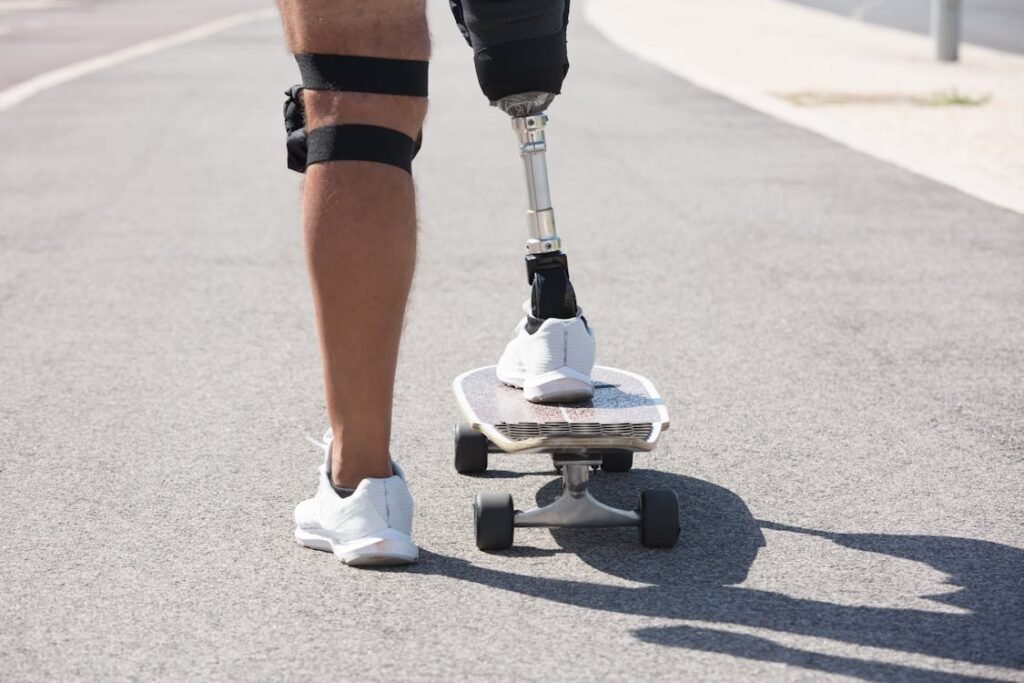
Learning to walk again with a prosthetic leg is more than just putting one foot in front of the other. One of the most important — and most overlooked — parts of this journey is learning how to shift your weight the right way. This is called weight transfer, and it’s what helps you stay […]
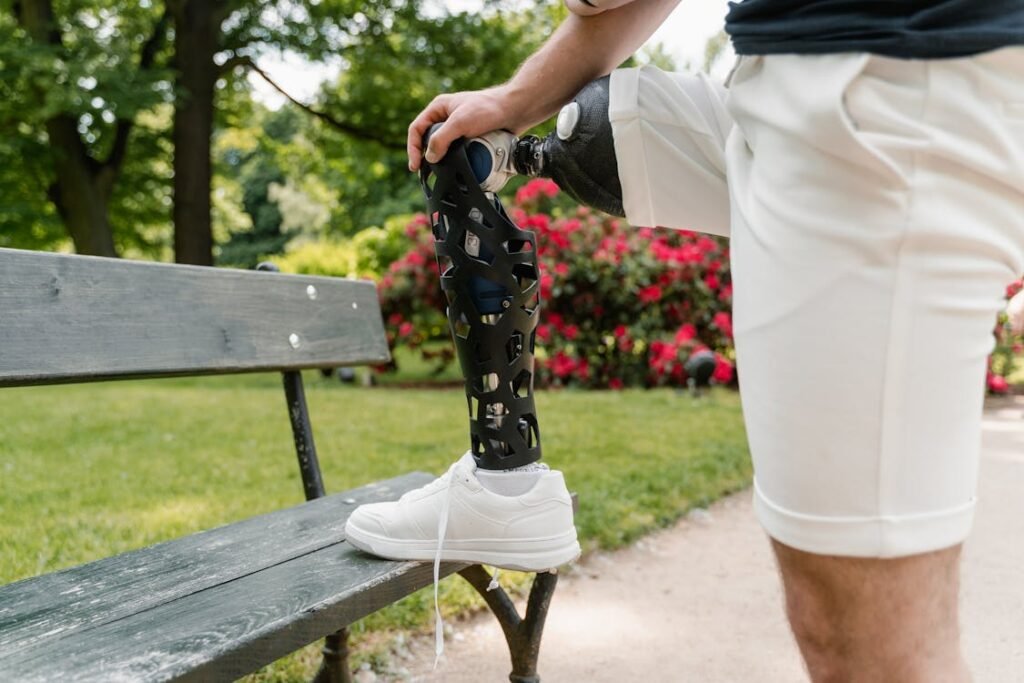
When someone loses a leg, walking again becomes more than just a goal — it becomes a journey. And on that journey, the kind of prosthetic they use makes all the difference. Two of the most common types of lower limb prosthetics are transfemoral (above-knee) and transtibial (below-knee). They may seem similar at first glance, […]