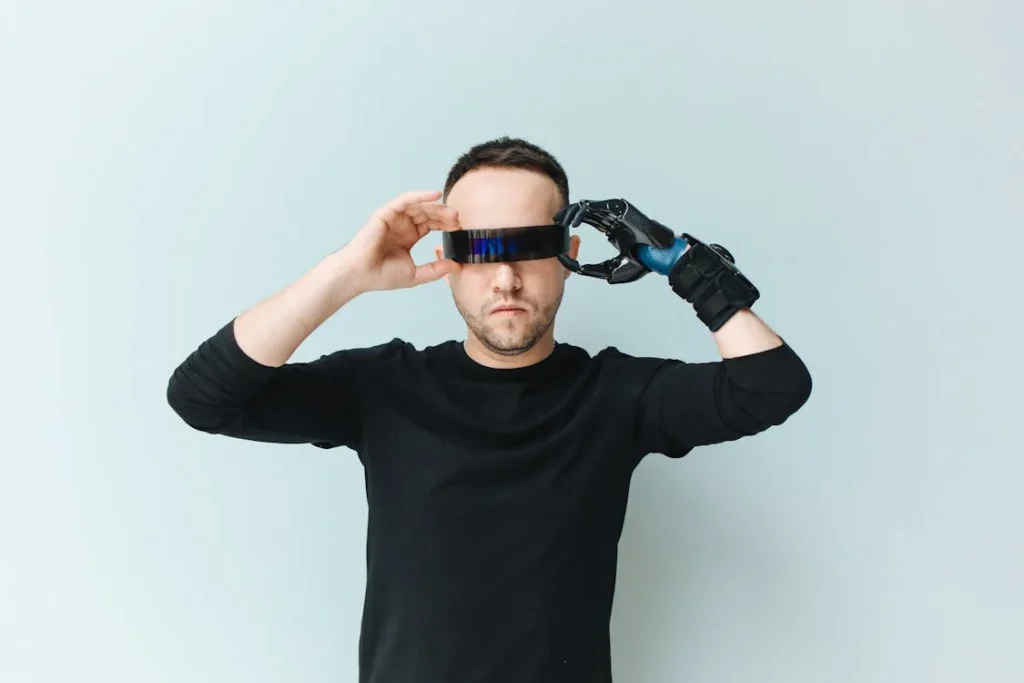
Designing a bionic hand isn’t just about building a machine that opens and closes. It’s about recreating one of the most powerful tools the human body has ever known. Our hands don’t just grip—they feel, adjust, balance, and respond. At RoboBionics, we’ve spent years trying to understand every little detail behind a simple grip, because […]
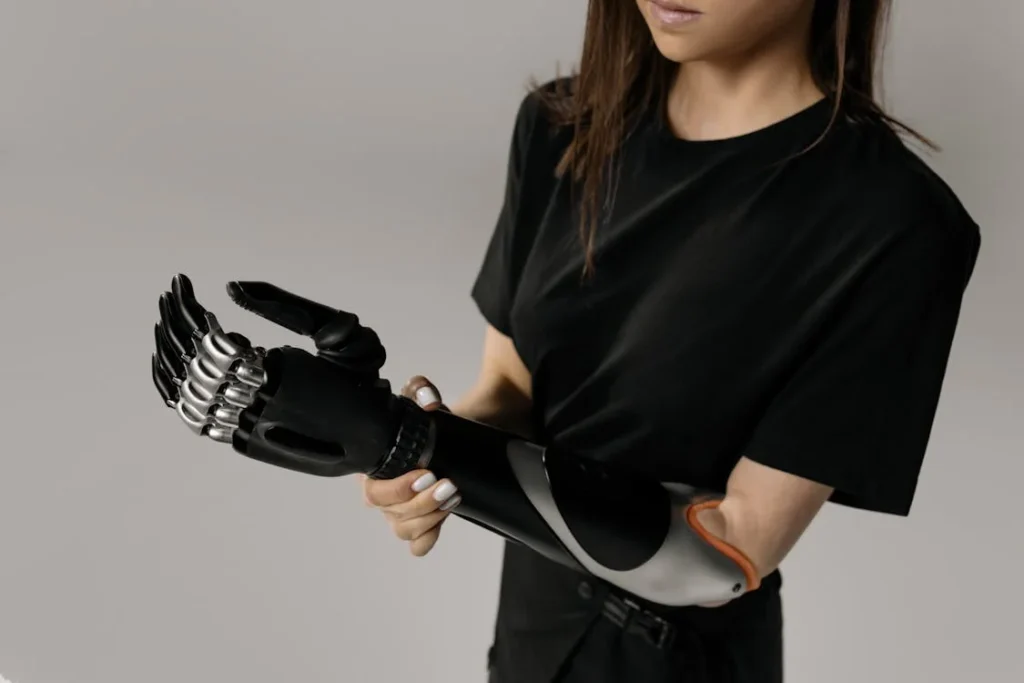
When you’re thinking about getting a prosthetic hand—or helping someone else make that choice—it can feel overwhelming. There are so many names, types, and tech features that it’s hard to know what really matters. Some hands use electricity. Some respond to muscles. Others combine different systems altogether. And now, there’s a new contender making waves: […]
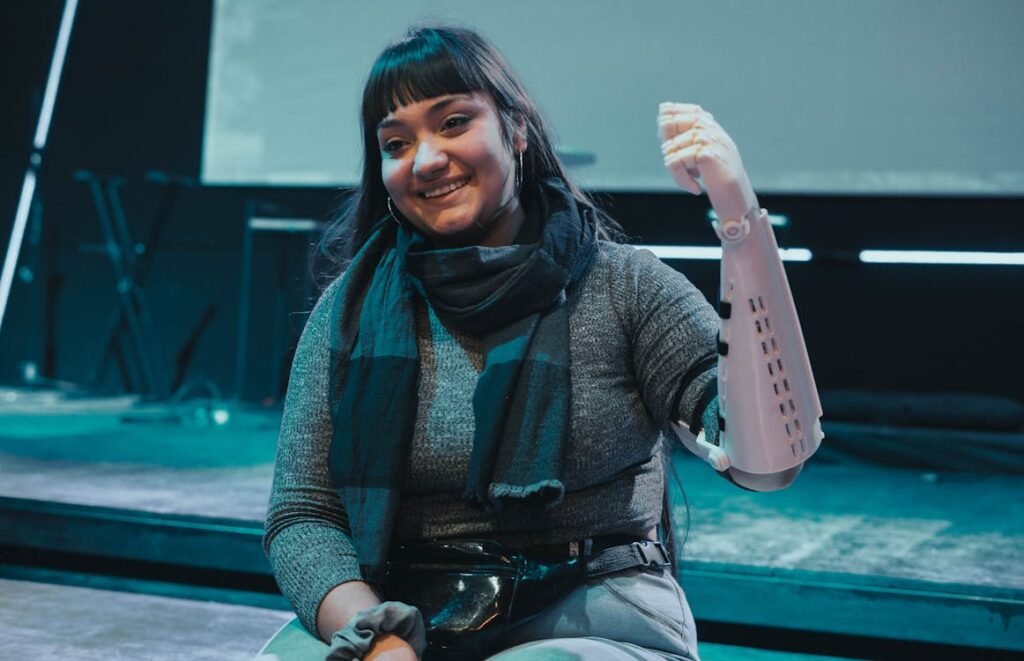
We use our hands for everything—tying shoelaces, holding a glass of water, turning a doorknob. It feels natural, right? But for someone who has lost a hand, even the smallest task can feel like climbing a mountain. That’s where bionic hands come in. These smart devices don’t just help people hold things. They help them […]
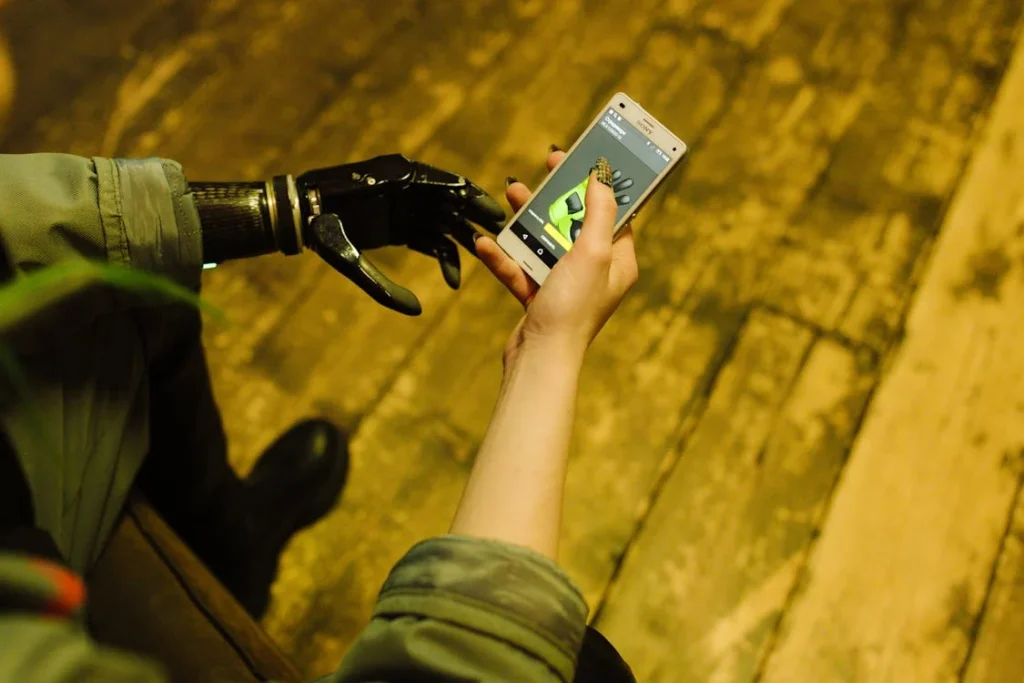
A few decades ago, if you had lost a hand, your options were basic. Most upper limb prosthetics focused on one simple function—gripping. And even that, truthfully, was more mechanical than helpful. Metal hooks and rigid claws were the norm. They worked, yes—but only just. They looked nothing like a human hand, and they felt […]

We all use our hands without thinking. We gently lift a teacup. We carry heavy bags. We adjust our grip without noticing. It’s natural, effortless, and automatic. But if your hand is missing, this simple balance between soft and strong grip becomes a real challenge. At RoboBionics, we’ve spent years studying how the human hand […]