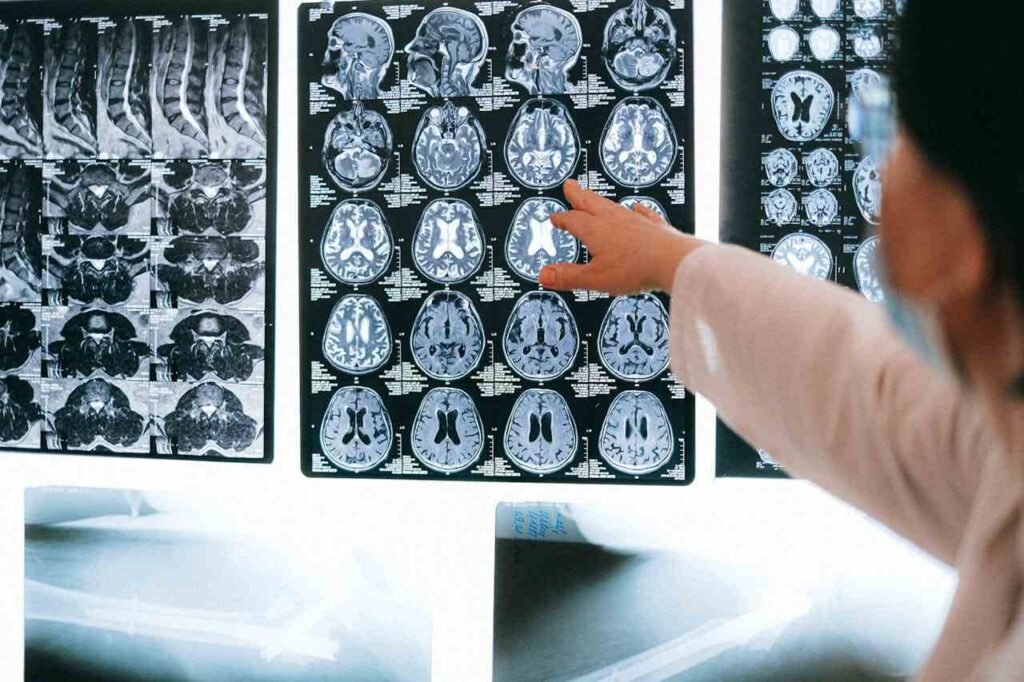
A stroke changes everything in an instant. It affects the brain, the body, and often, the way a person moves and feels. In rare but very real cases, stroke survivors may also face limb loss—either due to severe tissue damage, complications from paralysis, or poor circulation. Losing a limb after a stroke creates unique challenges. […]
Diabetes can change a person’s life in many ways. For some, it leads to limb loss—a challenge that brings both physical and emotional pain. When a leg or foot is gone, so much changes: balance, mobility, strength, and confidence. But even after amputation, the journey doesn’t end. In fact, it’s just the beginning of healing […]
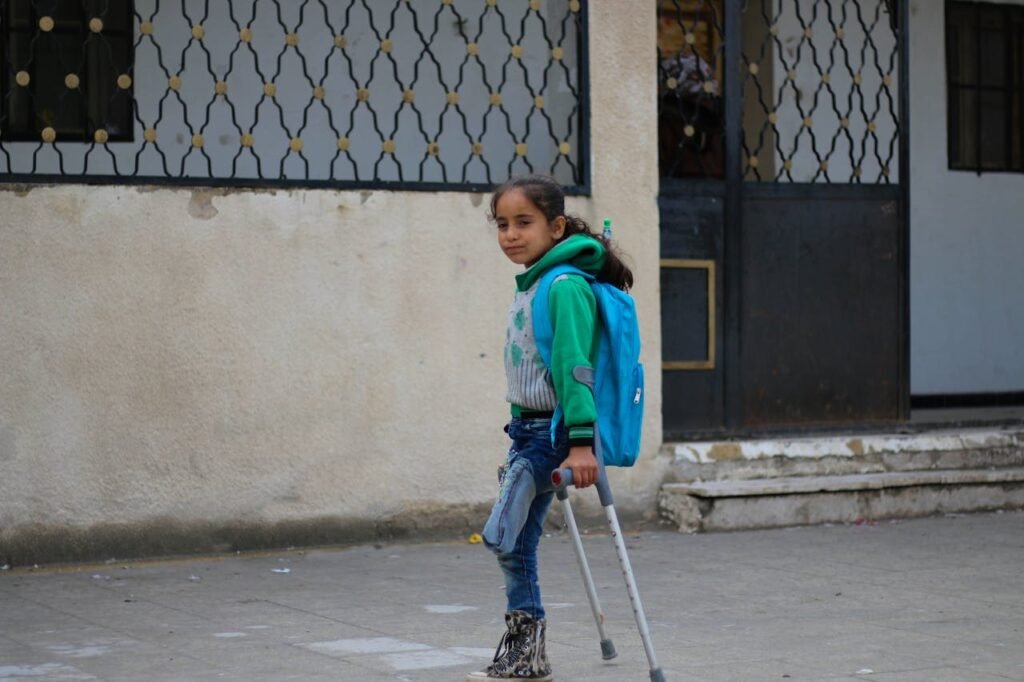
Children born with limb deficiencies or those who lose a limb early in life often face unique challenges as they grow. Their muscles may not fully develop. Their nerves may not send strong signals. And their bodies, still changing with age, may struggle to adapt to prosthetics or physical therapy alone. This is where EMS—or […]
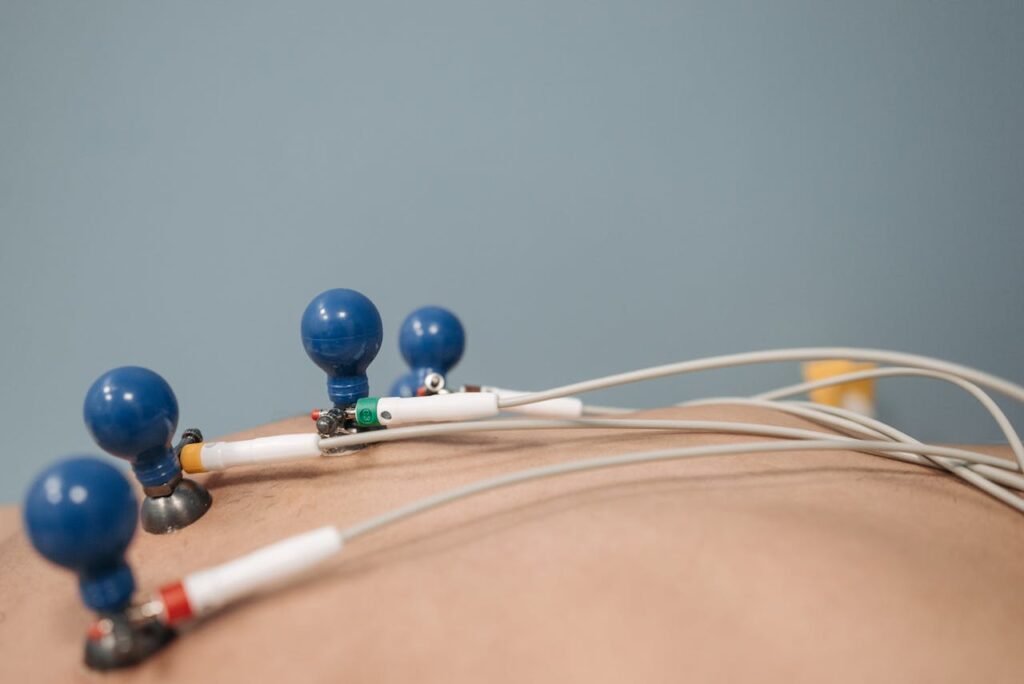
Growing older brings many changes. When someone experiences limb loss later in life, it can feel overwhelming—both physically and emotionally. Simple tasks become harder. Muscles weaken. Confidence can slip. But there’s one gentle, science-backed way to rebuild strength and restore control: EMS. EMS, or Electronic Muscle Stimulation, uses light electrical pulses to help activate muscles. […]

Being born with a limb difference changes the way a person experiences the world—but it does not limit what they are capable of doing. With the right support, tools, and training, children and adults with congenital limb differences can grow stronger, more confident, and more independent. One tool that is now being used more often […]