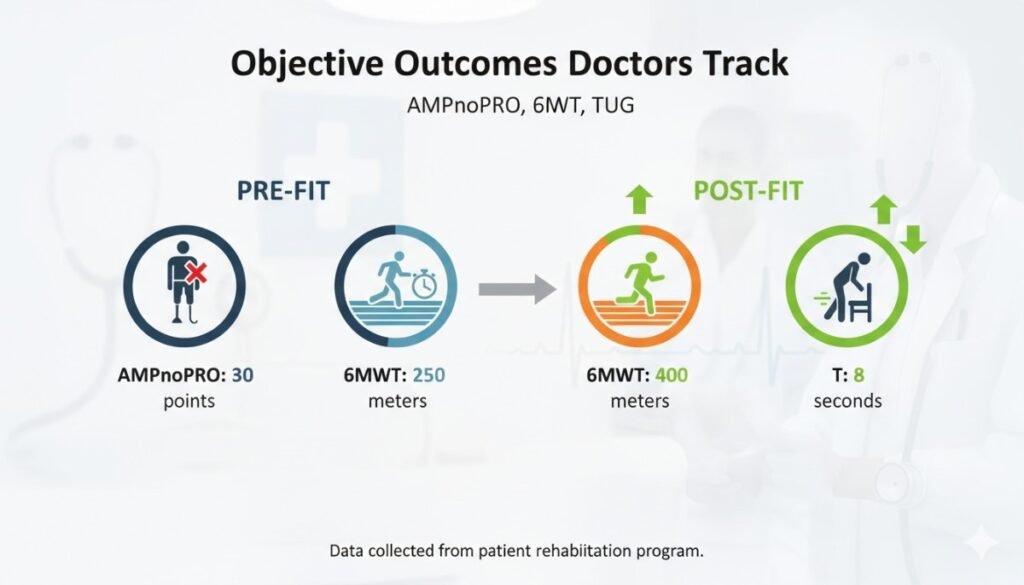
In prosthetic rehabilitation, every step counts — quite literally. For doctors, tracking those steps isn’t just about watching a patient walk; it’s about measuring how well they’re regaining their independence, confidence, and quality of life. Objective outcome measures like the AMPnoPRO, the Six-Minute Walk Test (6MWT), and the Timed Up and Go (TUG) test help […]
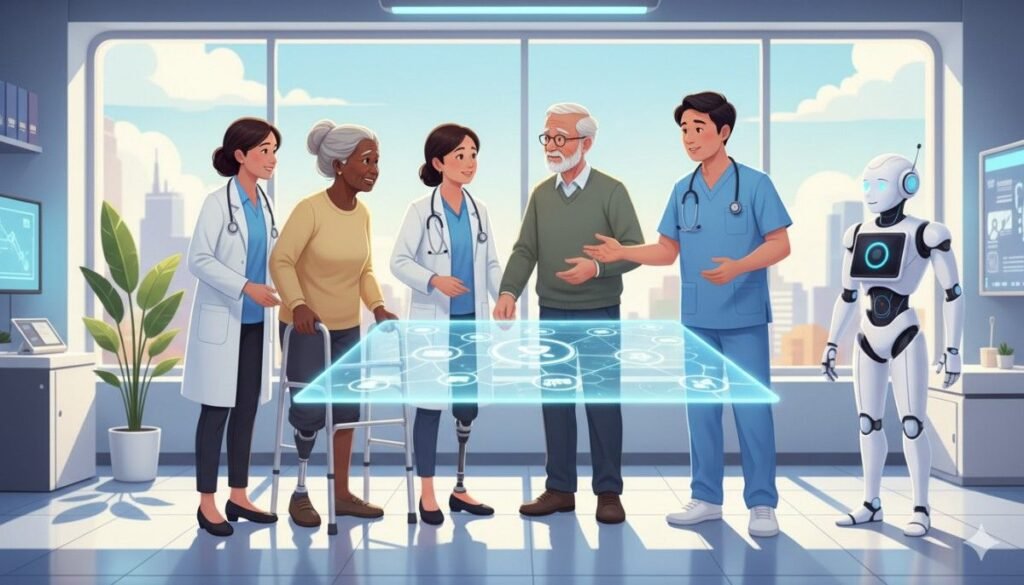
Growing older brings wisdom, memories, and stories — but it also brings physical challenges that can quietly change how a person lives. For many older adults, mobility becomes the measure of independence. A simple fall, a chronic condition, or an amputation can suddenly make everyday tasks seem impossible. For physicians, this is where guidance matters […]
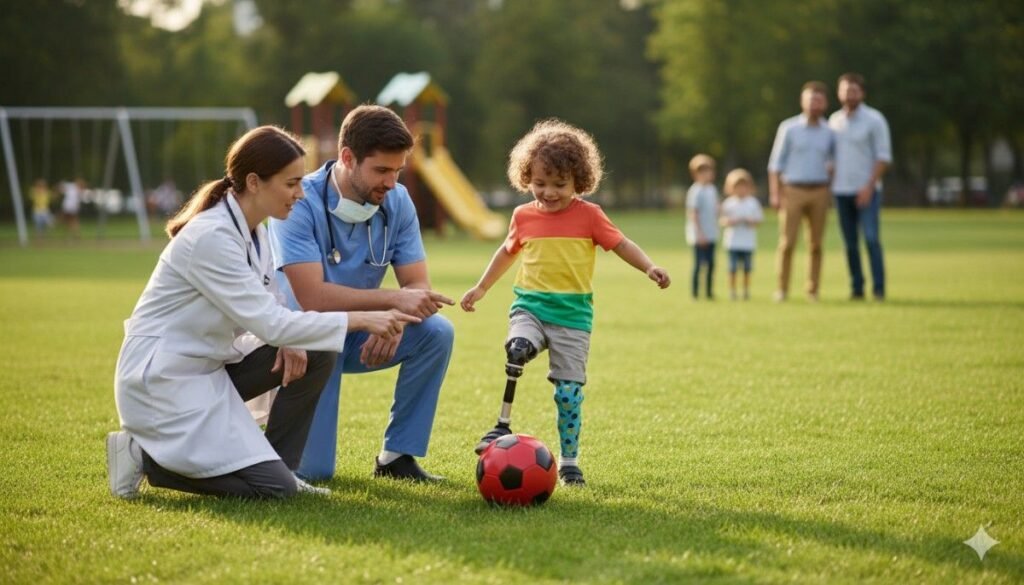
Children are full of energy, dreams, and curiosity. When one loses a limb — whether from an accident, infection, or a birth condition — that energy can suddenly turn into fear and confusion. For parents, it’s heartbreaking. For doctors, it’s one of the toughest situations to guide. Pediatric amputation isn’t only about surgery. It’s about […]
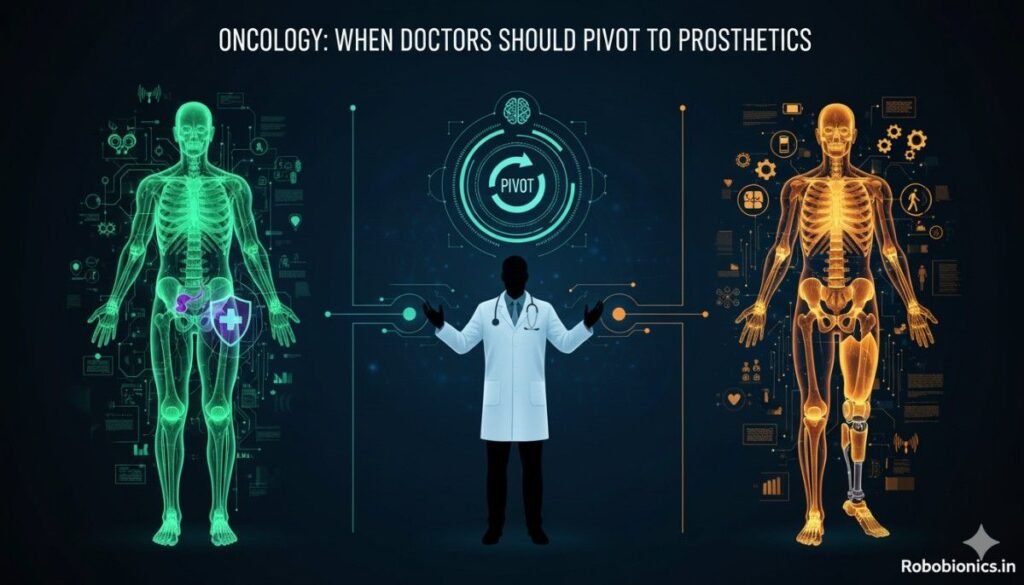
Cancer has a way of forcing hard choices. For doctors, one of the hardest is deciding between saving a limb or removing it to save a life. For patients, it’s a battle between hope and heartbreak — between the dream of keeping their own arm or leg, and the fear of losing it forever. In […]

Every amputation tells a different story.Some happen in seconds—after a road accident, industrial injury, or sudden trauma.Others happen slowly, as circulation weakens over months or years due to diabetes or vascular disease. For physicians, these two stories—traumatic and dysvascular—demand completely different rhythms of care.The pace of healing, the strength of tissue, and even the patient’s […]