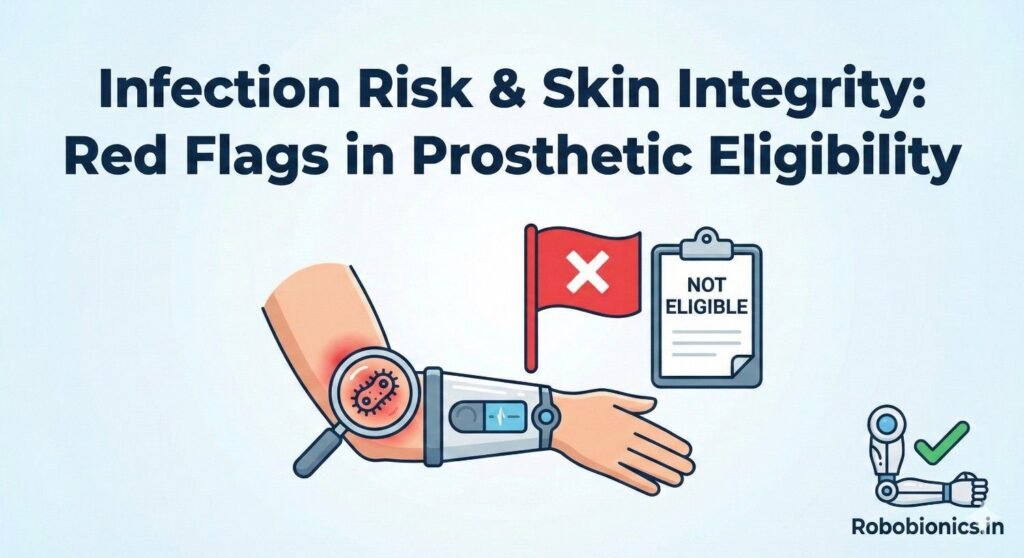
A prosthetic device can only work well when the skin beneath it is healthy and protected. No matter how advanced the technology is, it will fail if the skin cannot tolerate pressure, friction, and daily wear. Infection risk and poor skin integrity are among the most common and most overlooked reasons why prosthetic use becomes […]
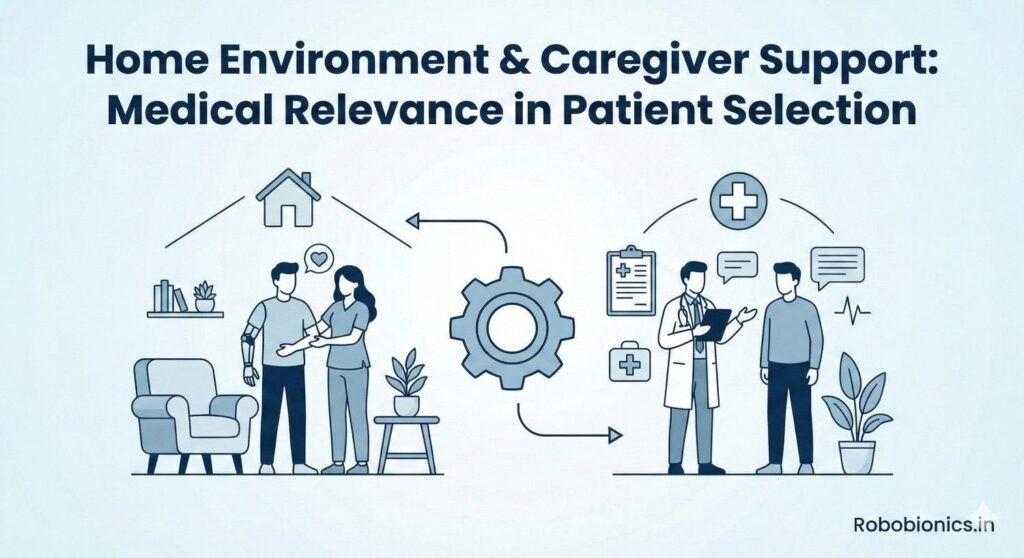
When we talk about choosing the right medical device, treatment plan, or rehabilitation path for a patient, we often focus only on the body. We look at age, weight, muscle strength, healing time, and test reports. All of this matters. But there is something equally important that is often missed. That is the patient’s home […]
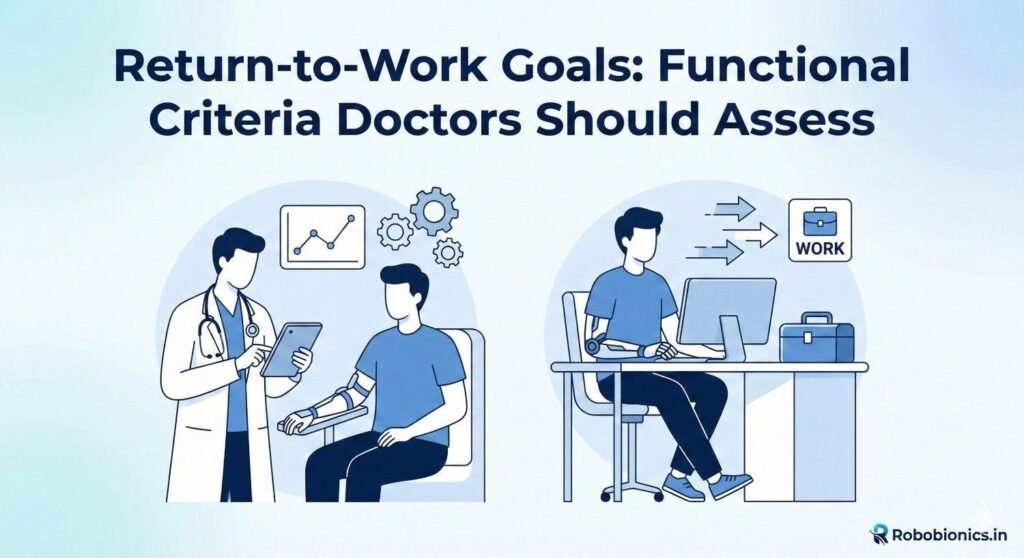
Returning to work after a serious injury or limb loss is not just about healing the body. It is about trust, safety, confidence, and function coming together at the right time. Doctors are often asked one simple question: “Is this person ready to work again?” The answer is rarely simple. This article explains how return-to-work […]
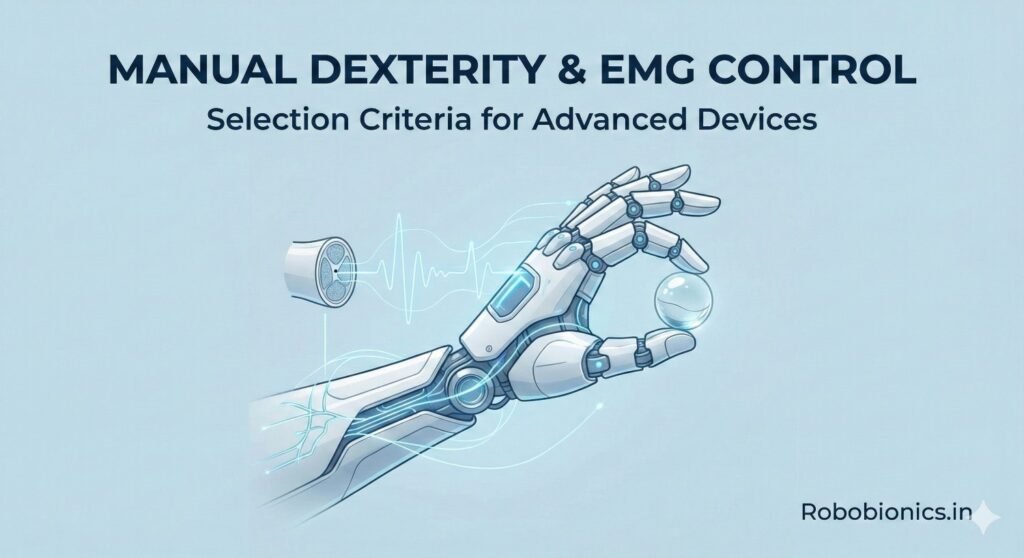
Advanced prosthetic devices promise precise movement, intuitive control, and a level of function that feels close to natural use. Technologies like EMG control and multi-grip hands have changed what is possible for upper limb amputees. Yet these devices do not work on technology alone. They depend heavily on the user’s manual dexterity, muscle control, and […]
Upper-limb loss affects how a person works, communicates, and connects with the world, often more visibly than many other physical injuries. Myoelectric prosthetics offer powerful functional benefits, but they are not right for every patient or at every stage of recovery. For doctors, selecting the ideal candidate requires more than checking muscle signals; it demands […]