
Post-Op Follow-Up Schedule That Prevents Prosthetic Delays (For Clinicians)
For many clinicians, the surgery is only the first step. What happens after the operation




Choosing who will do well with a prosthetic is both science and care. As clinicians, you want clear signs, simple tests, and a plan that respects each patient’s body, mind, and daily life. This guide gives you a crisp, clinic-ready way to judge readiness for a limb, set goals, and move fast without missing what matters. It is written for busy MDs in India who want practical steps, plain language, and research-aware reasoning that fits real wards and real homes.
At RoboBionics, we build affordable, modern prosthetics made for Indian patients and Indian clinics. We work with surgeons, rehab doctors, prosthetists, and therapists across the country. In this article, we bring that field experience to your exam room. You will find short checklists you can use today, red flags to watch for, and ways to match device choice with stump health, muscle signals, cognition, motivation, and social support. The goal is simple: help you select the right person, at the right time, for the right limb—so they can move, work, and live with confidence.
The best candidate is medically stable, alert, and ready to train.
They have a healed or healing stump, safe vitals, and energy to learn.
They also have a goal that is real, like walking to the market or returning to school.
Fit too early and you risk pain, wounds, and lost trust.
Wait too long and muscles weaken and hope fades.
Aim for the window when swelling settles, skin can load, and the mind is ready.
Check vitals, pain, wound status, mood, and support at home.
Ask the one-step goal: what do you want to do first with your limb?
If answers are clear and safe, move forward with a trial plan.
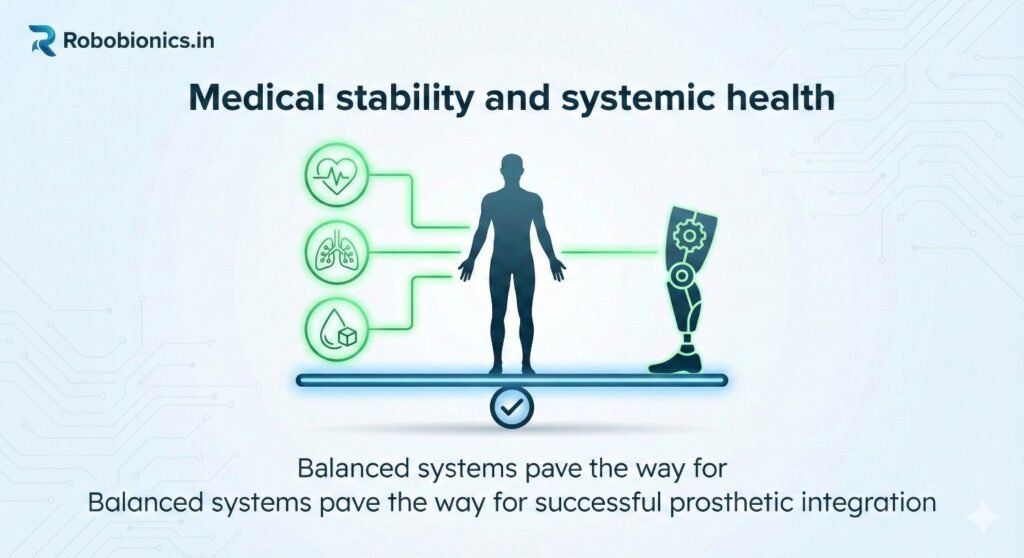
Stable blood pressure, heart rate, and temperature point to readiness.
Fever, tachycardia, or hypotension say pause and treat first.
Check hemoglobin, glucose, and any infection markers before you prescribe.
Prosthetic use is work, even for the upper limb.
Shortness of breath at rest or low exercise tolerance needs rehab first.
A six-minute walk test or step test gives a fast sense of reserve.
Good glucose control helps wounds close and skin tolerate sockets.
Look for neuropathy, loss of vibration sense, and foot care in contralateral limbs.
Plan close follow-up and teach daily skin checks from day one.
Primary healing or stable secondary healing is the target.
No foul smell, no spreading redness, and no active drainage.
Use gentle compression to shape the limb once the wound allows.
Uncontrolled swelling causes poor fit and skin breakdown.
Start with soft wraps or shrinkers when safe, and re-measure weekly.
Move toward a test socket when volume holds steady day to day.
Scar lines should glide and not tether.
Teach patients to massage with simple oil to soften bands.
Check for fragile skin, grafts, or sensitive areas that need padding.
Some pain is normal; uncontrolled pain blocks training.
Treat with a stepwise plan: meds, desensitization, heat or cold as advised.
Flag severe night pain, complex regional signs, or deep bone pain for review.
Tap along the scar and track any shocking, focal pain.
If a neuroma is likely, consider imaging or a surgical opinion.
Soft liners, targeted compression, or TMR referral can change outcomes.
Ask the patient to fire wrist flexors and extensors gently.
Place surface sensors and check for clean, repeatable signals.
If signals are noisy, begin simple EMG training before device choice.
Measure elbow, wrist, hip, or knee as relevant.
Stiff joints limit control and add energy cost.
Stretch early, hold gains, and protect from contractures.
For transfemoral users, hip flexion contracture hurts gait.
For transradial users, elbow stiffness reduces reach and control.
Use positioning, prone time, and guided stretches each day.
Can the patient sit to stand safely? Can they lift a kettle?
Match tasks to goals and document a baseline.
Small wins build trust and speed device learning.
Upper limb control needs focus and recall of steps.
Lower limb safety needs hazard awareness and quick reaction.
A brief cognitive screen helps you tailor training.
Loss hurts, and denial is common.
Screen for depression and anxiety with short tools.
Offer peer support and early wins to rebuild confidence.
Ask why the patient wants a prosthetic, not if.
Anchor goals in daily life: cooking, writing, riding a bus.
Plan a clear first month so progress feels real and visible.
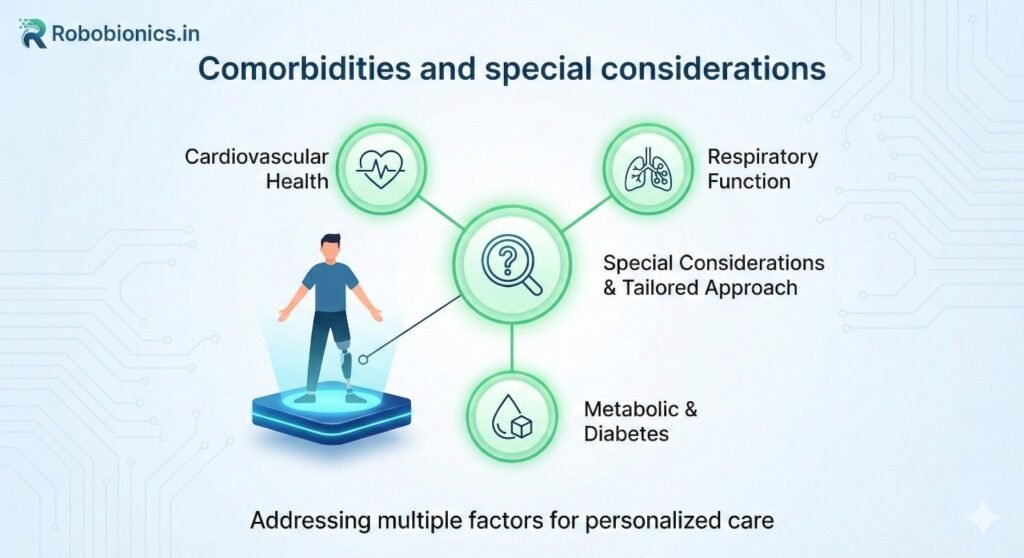
Poor pulses, cold skin, and non-healing wounds raise caution.
Coordinate with vascular care and set a slower ramp.
Choose liners and pressure zones with extra care.
Fluid shifts and fatigue change socket fit and stamina.
Chemo-related neuropathy can blur feedback.
Schedule shorter sessions and more frequent checks.
Check balance, gait speed, and orthostatic changes.
Vitamin D, osteoporosis, or steroid use may weaken bone.
Adjust training and add aids to keep the patient safe.
People who want two-handed tasks often do well.
Cooking, typing, lifting a bag, or driving uses both hands.
The need is daily, the reward is quick, and the habit sticks.
Myoelectric gives fine control and less shoulder strain.
Body-powered offers robust grip in messy, outdoor work.
Hybrid setups can blend both for the right user.
For transradial levels with good EMG, Grippy is strong.
It reads natural muscle signals and gives touch feedback.
People learn fast because the control feels intuitive.
Start with sitting balance, then standing, then stepping.
A timed up-and-go gives a clear picture of risk.
If steps are safe with aids, a trial socket is near.
For transfemoral users, trust in the knee is key.
Begin on parallel bars and teach fall recovery early.
A knee that matches pace reduces fear and trips.
Ask where the person walks: lanes, buses, farms, stairs.
Set targets around those paths and test them in training.
Good shoes and a stable sole help more than most think.
Kids learn fast and use devices in play.
Choose light, tough parts and allow for growth.
Involve teachers so use continues at school.
Appearance and control both matter to teens.
Offer color choices and showcase skilled peers.
Set goals around hobbies, sports, and social life.
Keep sessions short and steady.
Focus on transfers, hygiene, and home safety first.
Measure fatigue and watch for overuse of the sound limb.
Balance starts at the center.
Strengthen abdominals and back before complex steps.
Breathing work helps endurance without strain.
Use wheelchairs, canes, or sliders as needed.
Set milestones like sit-pivot transfers and standing balance.
Layer prosthetic tasks only when the base is strong.
Teach how to don, doff, and check skin daily.
Agree on a routine that fits home life.
Support reduces readmissions and speeds progress.
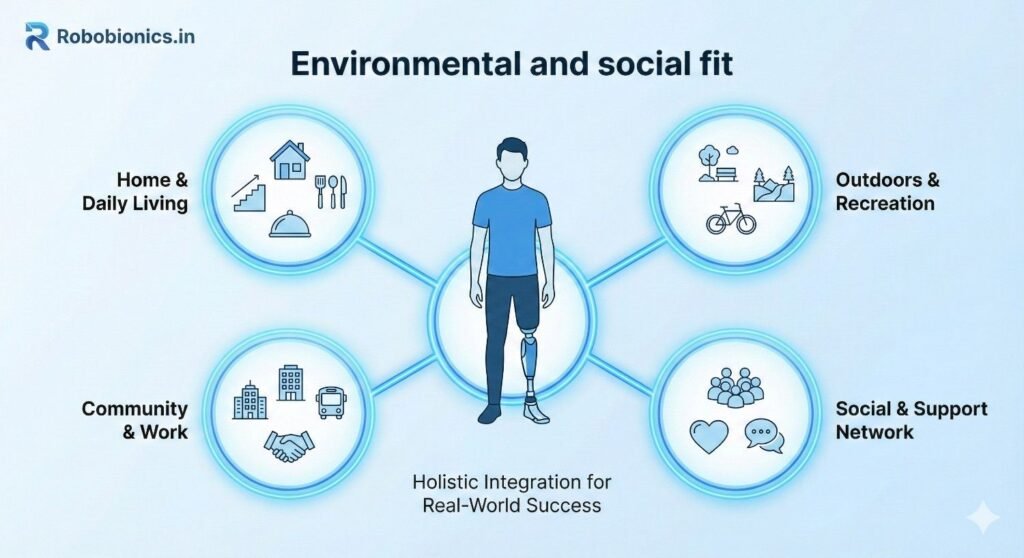
Stairs, narrow doors, and wet floors change risk.
Plan small home fixes like rails and non-slip mats.
Map the morning routine and solve bottlenecks.
Desk work needs fine hand control and comfort.
Field work needs durability and easy cleaning.
Choose parts that match the real day, not the ideal one.
A cheer from home lifts practice rates.
Link new users with experienced mentors.
Stories and tips make hard days easier.
Break costs into eval, test socket, training, and final limb.
Show what insurance or schemes cover and what they do not.
A clear plan reduces dropouts and builds trust.
Talk about repairs, liners, gloves, and batteries.
Plan annual checkups and mid-life upgrades.
Total value matters more than the first bill.
Use state programs, NGOs, and startup discounts.
Connect patients to partners near their town.
Local service keeps devices working and users moving.
Start with the patient’s story and goals.
Scan posture, skin, and how they move in the room.
Small details often predict big outcomes.
Check wounds, range, strength, and EMG if needed.
Run a quick balance or mobility test.
Note what is safe today and what needs a week.
Share the plan in plain words and dates.
Book the next visit and the first training slot.
Give written care steps the family can follow.
Box and Block or a clothespin test shows early skill.
Goal Attainment Scaling captures personal wins.
Track wear time to catch dips in use.
Timed up-and-go and gait speed predict falls.
Amputee Mobility Predictor works even before a limb.
Repeat weekly to show progress and adjust load.
Ask how life feels, not just how far they walk.
Use simple scales for pain, comfort, and confidence.
Patient voice guides the next change.
Fever, spreading infection, or unstable vitals mean wait.
New deep pain or sudden swelling needs imaging.
Dizziness or syncope calls for cardiology first.
Blisters, open spots, or dark pressure marks are signals.
Lower wear time, adjust trim lines, or change pads.
Protect skin today to keep training tomorrow.
Confusion, poor insight, or unsafe choices raise risk.
Short, supervised sessions may still work well.
If safety fails, step back and rebuild basics.
A clear trial reduces fear and guesswork.
Check pressure points and adjust on the spot.
If the trial is smooth, confidence soars.
Teach donning, doffing, and cleaning right away.
Practice one meaningful task twice a day.
End each session with a win to lock in habit.
Collect comfort scores after each use.
Make small changes before problems grow.
Celebrate gains to keep the momentum.
A farmer needs robust parts; a coder needs fine control.
A fast learner can handle more patterns early.
Choose what fits today and can grow tomorrow.
With touch, grip feels natural and safe.
Users hold eggs, tools, and phones with less effort.
Fewer drops mean more trust and more wear.
Start with safe stance and smooth roll-over.
Add energy return once balance is secure.
Confidence beats top speed in the first months.
Write steps in simple Hindi or the local tongue.
Agree on who teaches what and when.
Clear plans reduce errors and save time.
Have the patient show you each step back.
Break tasks into two-minute skills.
Small chunks stick; long lectures do not.
Short calls or messages keep users on track.
Share tiny tips and celebrate small wins.
Distance support matters in busy lives.
Wash, dry, and inspect at the same time each day.
Rotate liners and air the socket as advised.
Catch hot spots before they break down.
Book a check at week one, month one, and month three.
Plan a tune-up before festivals or travel.
Good service turns users into champions.
Can they do what they hoped to do?
Are they using the limb most days?
If not, find the barrier and fix it together.
We build for Indian needs and Indian budgets.
Most parts are made here, so service is fast.
Quality stays high while costs stay fair.
We train staff and guide your first fittings.
Your team keeps control; we add support.
Together, we make care smooth and kind.
Send a referral or book a demo slot.
We assess, fit, and train by your side.
Your patient gets a clear path and real hope.

Ethical selection starts with clear, calm, and honest talks where the patient understands what a prosthetic can do today and what will take time, effort, and training to achieve later, so that hope is built on truth and not on promise alone.
Explain that progress is not a straight line and that comfort, control, and confidence grow in phases, which helps patients stay engaged even when early days feel slow or tiring.
When expectations are realistic, satisfaction stays high and long-term use becomes far more likely.
A good candidate is not only medically suitable but also actively involved in the decision, because ownership of the choice improves follow-through and daily use.
Present two or three suitable options in simple language, explain why you recommend one, and invite questions without rushing the discussion.
This shared approach respects dignity and reduces regret, which is especially important in irreversible life decisions like prosthetic adoption.
Consent is not just a signature but a process that records understanding of risks, limits, care needs, and follow-up responsibilities.
Note discussions around skin care, wear time, training commitment, and review schedules in the medical record.
Clear documentation protects both patient and clinician and ensures continuity when care is shared across teams.
In many Indian settings, limb loss still carries social stigma, which can quietly affect motivation, family support, and public use of prosthetics.
As a clinician, acknowledging these realities helps you guide patients toward solutions that fit their comfort level, whether that means cosmetic covers, clothing adaptations, or gradual public exposure.
When social fears are addressed early, patients are more likely to use their prosthesis outside the home.
Family members often play a central role in medical decisions, funding, and daily care, especially for children and older adults.
Including key family members in discussions helps align expectations and reduces later resistance or misunderstanding.
When families understand the effort involved, they become partners rather than silent barriers.
A patient living in a village with uneven roads, water exposure, and manual work has very different needs from someone in a city office environment.
Selection should reflect where and how the limb will be used most days, not just what looks ideal in a clinic.
Matching the device to the environment improves durability, safety, and long-term satisfaction.
Trauma patients are often younger and physically strong but may still be processing sudden loss and shock.
While their bodies may be ready early, emotional readiness can lag, so pacing and counseling are critical.
Early success with simple tasks can restore confidence and prevent withdrawal.
Patients with congenital limb differences often have excellent adaptation skills and body awareness.
They may not feel an urgent need for a prosthesis unless it offers clear functional or social benefit.
Selection should focus on added value rather than replacement, respecting the skills they already have.
Patients with previous failed surgeries or infections may carry fear and mistrust toward devices.
Extra time spent on explaining wound protection, socket design, and follow-up can rebuild confidence.
A cautious, staged approach often works better than rushing to a final device.
Prosthetic success depends heavily on the patient’s ability to attend sessions, practice at home, and follow instructions consistently.
Assess whether the patient can remember steps, manage time, and ask for help when unsure.
When learning capacity is limited, simplify controls and increase supervision rather than excluding the patient outright.
Therapy is not optional but central to prosthetic success, as it teaches safe movement, efficient patterns, and problem-solving skills.
Close coordination between the MD, therapist, and prosthetist ensures that medical goals align with functional training.
Patients who engage well with therapy almost always achieve better outcomes.
Some patients appear suitable on exam but fatigue quickly during training sessions.
Monitor signs of overexertion such as sweating, breathlessness, or loss of focus.
Adjust session length and intensity to build endurance gradually without discouragement.
Patients who wear their prosthesis regularly within the first three months are far more likely to continue long term.
Early monitoring of wear time helps identify comfort or confidence issues before abandonment occurs.
Small adjustments during this phase can save the entire rehabilitation effort.
A prosthesis becomes successful when it feels like part of the person’s routine rather than a special tool used only for therapy.
Encourage patients to use the limb during normal daily tasks instead of reserving it for practice sessions.
Routine use builds automatic control and emotional acceptance.
As skills improve, patients often discover new goals that were not clear at the start.
Planning for future upgrades or changes keeps motivation high and prevents plateau.
A candidate who sees a future path stays invested in care.
Advanced features mean little if the patient cannot or will not use them consistently.
Selection should prioritize usability, comfort, and service access over novelty.
Simple solutions often outperform complex ones in real life.
Even a medically ideal candidate may struggle if costs, travel, or time away from work are overwhelming.
Discuss these factors openly before finalizing a plan.
When stress is reduced, adherence improves naturally.
Pressure to fit quickly can lead to poor outcomes and loss of trust.
Taking a little extra time for preparation often saves months of correction later.
Good selection is deliberate, not hurried.
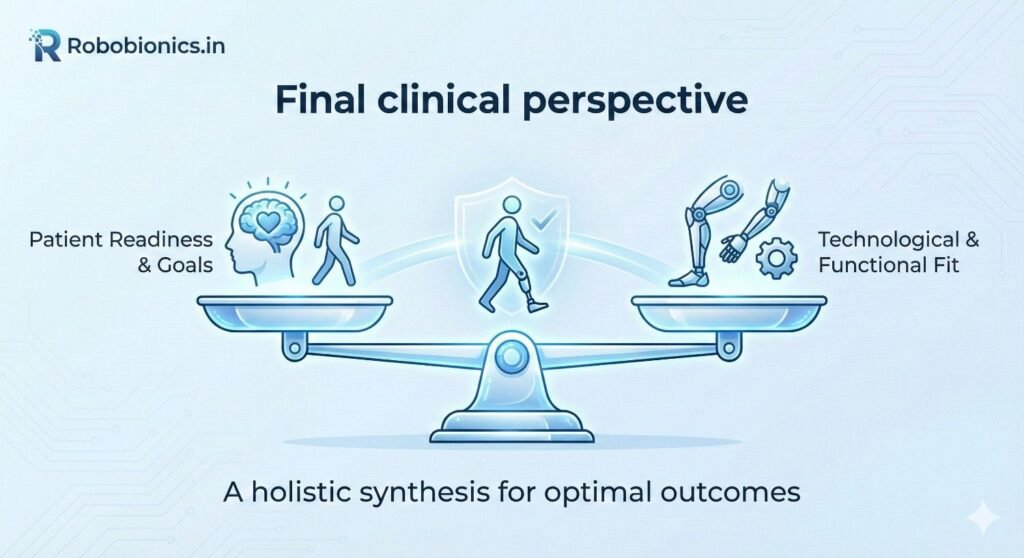
A prosthesis works best when it is part of an ongoing relationship between patient, clinician, and care team.
Selection is the first step in that relationship and sets the tone for everything that follows.
Choosing wisely protects both outcomes and morale.
Your guidance shapes how the patient views the prosthesis, the effort required, and the value of persistence.
Clear advice, steady follow-up, and realistic encouragement make a measurable difference.
MDs remain central even after fitting is complete.
A good candidate is not perfect, but prepared, supported, and guided with care.
When medical readiness, personal goals, and the right device come together, prosthetics change lives in lasting ways.
That is the standard worth aiming for in every case.
For many clinicians, the surgery is only the first step. What happens after the operation

For trauma amputees, the journey does not begin at the prosthetic clinic. It begins much

Amputation after cancer is not just a surgical event. It is the end of one

When a child loses a limb, the challenge is never only physical. A child’s body