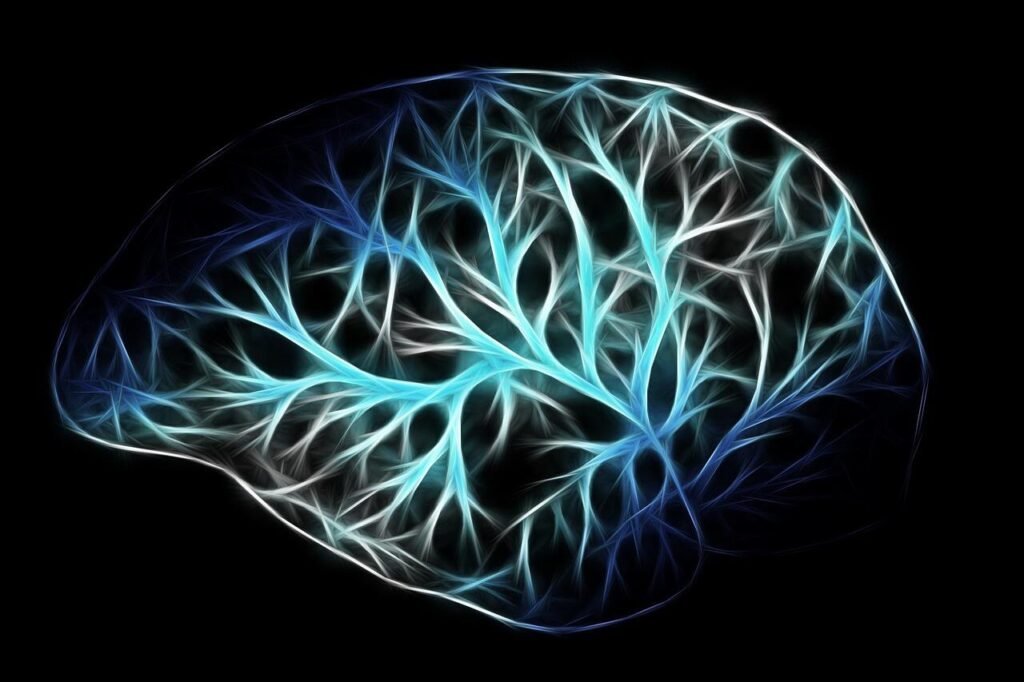
When someone loses a limb, most people think only about the physical loss. But something deep happens inside the brain too. The map the brain uses to control that limb doesn’t just disappear. It shifts. It adapts. And if the person uses a bionic limb, the brain can learn to move again — just in […]
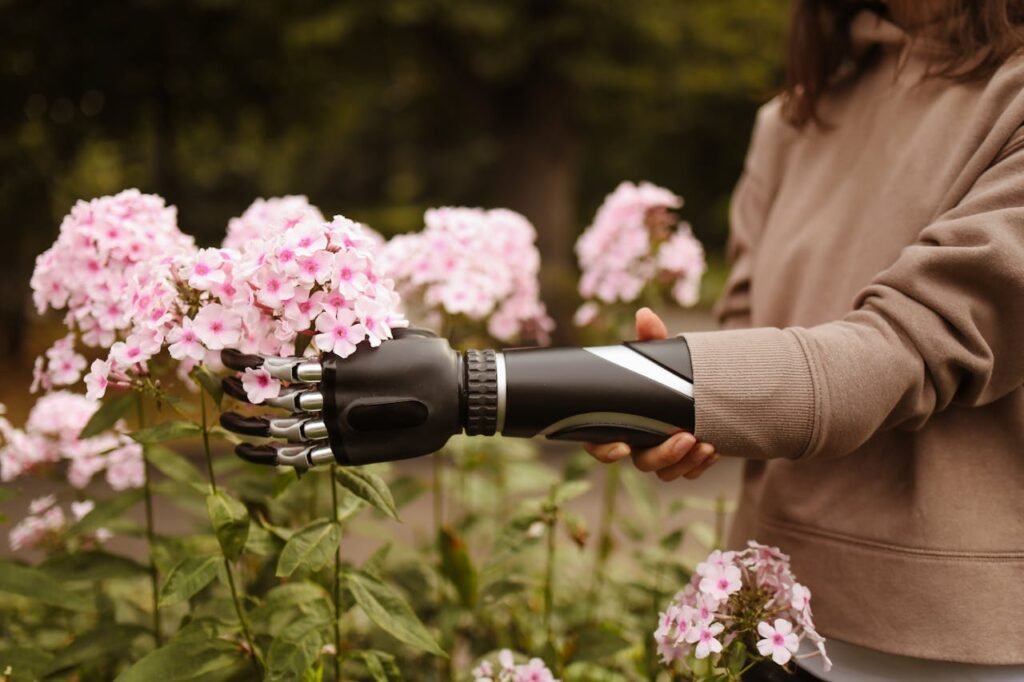
When someone loses a hand or arm, they lose more than just a limb. They lose actions, independence, and sometimes, a part of who they are. But the human brain is remarkable. It never stops trying to move, to reach, to act. Even after limb loss, it keeps sending signals, hoping for a response. That’s […]
Bionic limbs have come a long way. They’re no longer just mechanical tools — they’re smart, responsive, and designed to work with your body. But there’s something even more powerful happening behind the scenes. It’s not just about what the bionic limb can do. It’s about how your brain learns to use it. That’s where […]
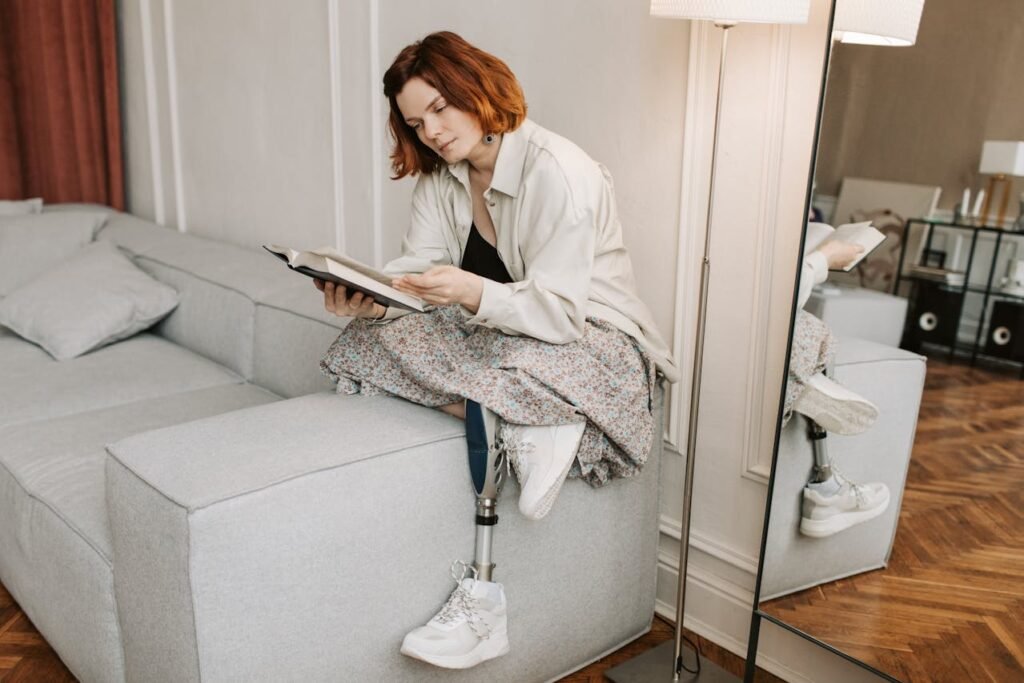
When someone starts using a bionic limb, it may look like the technology is doing all the work. After all, it’s the robotic hand or leg that moves, grabs, and responds. But what many people don’t see is the quiet, powerful work happening inside the brain. At Robobionics, we know the real magic doesn’t just […]
Every time someone learns to use a bionic hand, something magical happens inside their brain. It’s not just the technology that adapts to them — their brain adapts too. That ability of the brain to change and grow? It’s called neuroplasticity. And it’s changing everything we know about prosthetics. At Robobionics, we’ve seen it happen […]