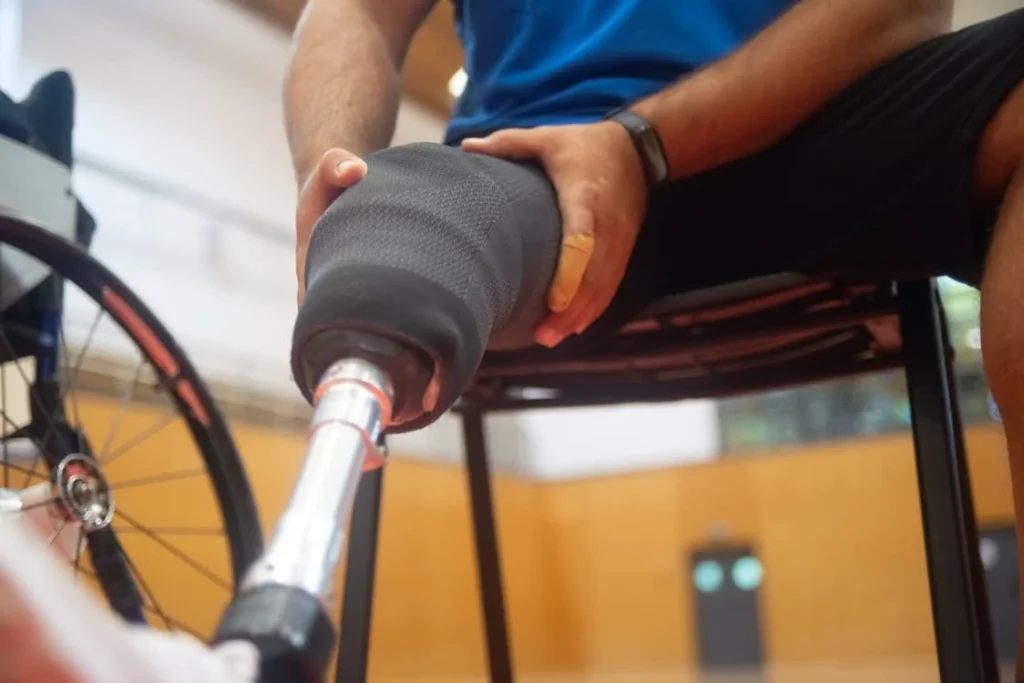
The way a prosthetic limb holds weight is changing fast. For decades, prosthetics were designed with one main goal—to help people walk again. But now, we’re going much further. We’re not just helping people move. We’re learning how to help their bodies move better, longer, and with more ease. That means thinking differently about how […]
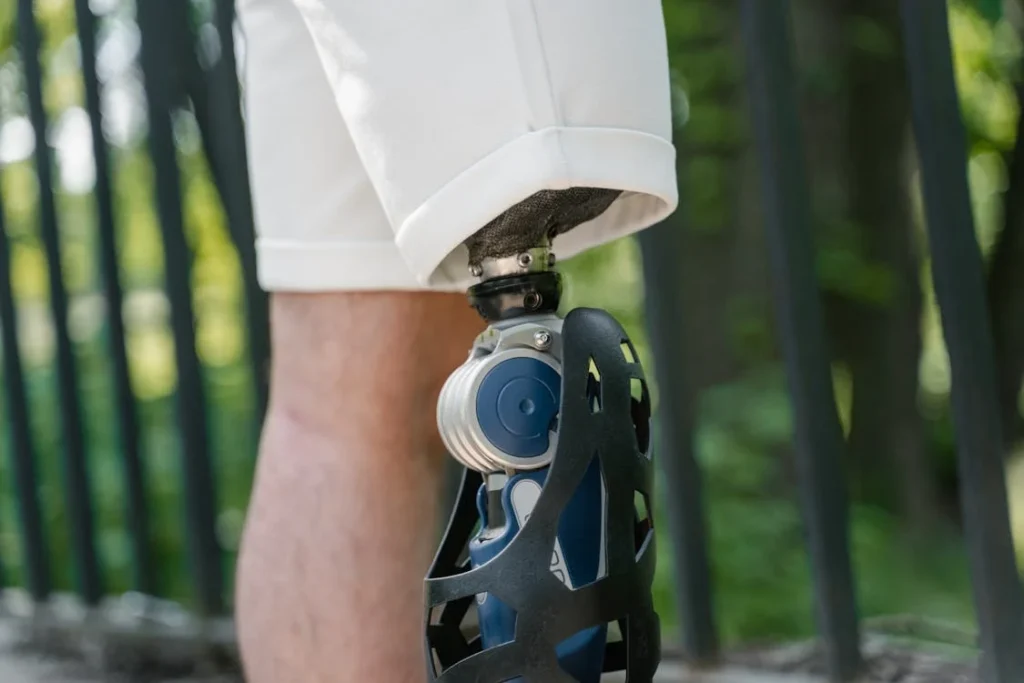
The socket is the heart of every prosthetic limb. It’s the part that touches the user the most, and how well it fits can change everything—from how the limb feels to how well it performs. But there’s an ongoing debate in the prosthetics world: should users choose a custom-made socket, or go with a prefabricated […]
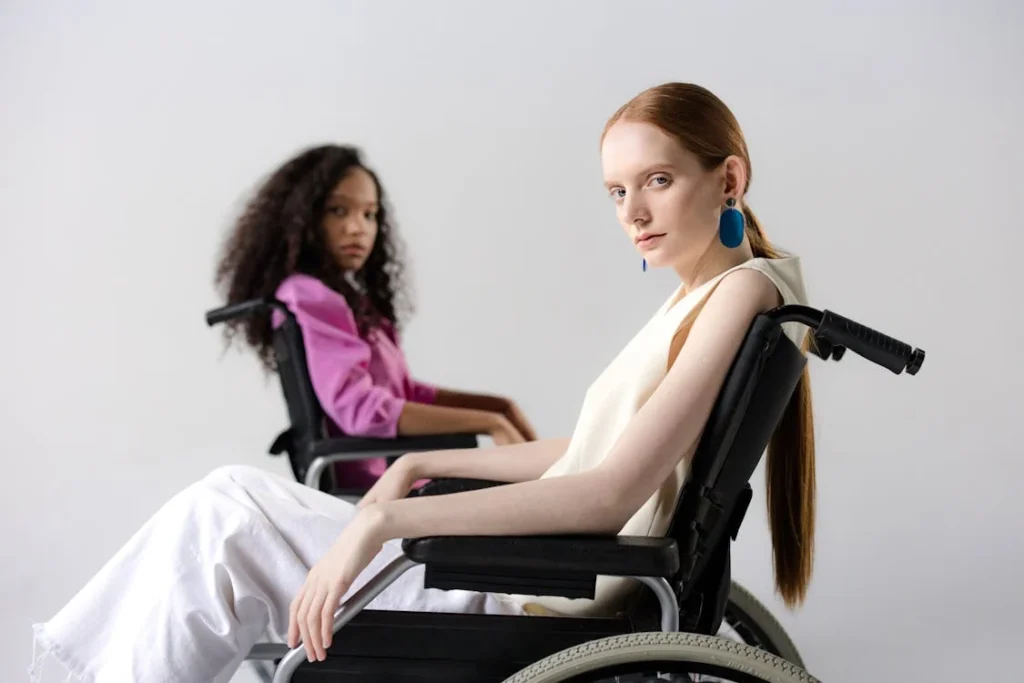
Helping a child adapt to life with a prosthetic limb is not just about fitting the device—it’s about guiding them through growth, movement, and learning how to carry their weight in a healthy way. Unlike adults, children are still developing. Their bones are growing, their muscles are changing, and their balance is constantly evolving. That […]

Getting used to a prosthetic limb is not just about wearing it—it’s about building your body’s strength and trust in it. One of the biggest steps after amputation is improving something called weight-bearing tolerance. In simple terms, it means helping your body get comfortable with putting weight on your prosthetic limb—whether it’s standing, walking, or […]
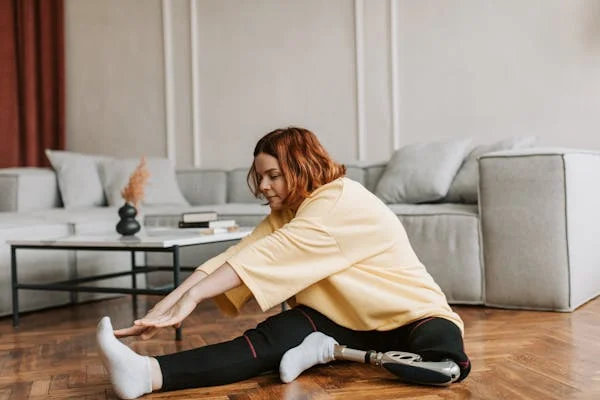
When someone loses a limb, life changes in many ways—some expected, others not so obvious. One of the challenges that surprises many amputees is the sudden discomfort in areas of the body they didn’t expect to feel pain—especially the back and hips. It might seem strange at first. After all, if the limb is gone, […]