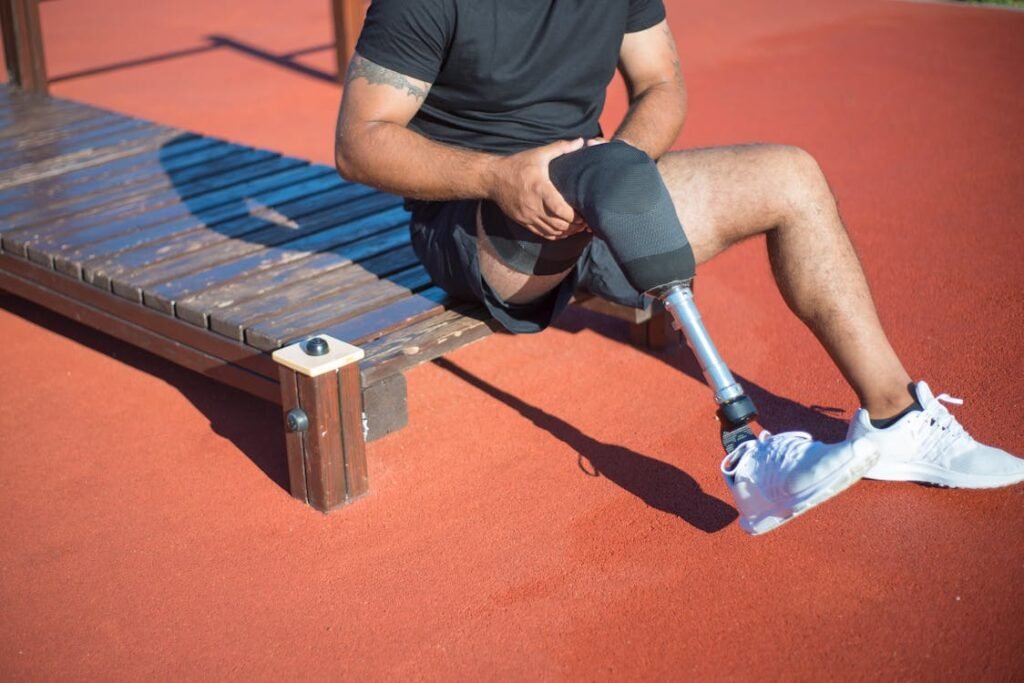
For older adults, one small misstep can have serious consequences. A fall that lasts only seconds can lead to months of pain, fear, or even permanent loss of independence. But the truth is, many of these falls are preventable. The key lies in understanding how the body moves—and how that movement changes with age. This […]
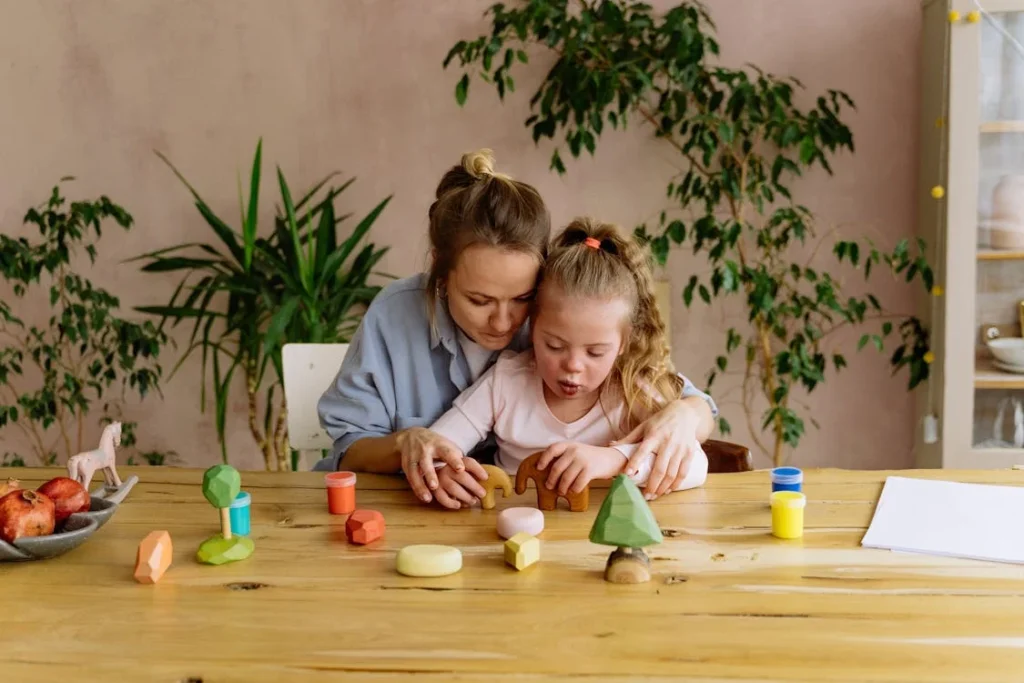
Designing prosthetics for children is unlike anything else in the world of medical engineering. It’s not just about creating a limb that fits. It’s about building something that will move with a child’s imagination, support a growing body, and adapt to the pure energy of childhood. Children aren’t just small adults. Their bodies change constantly. […]
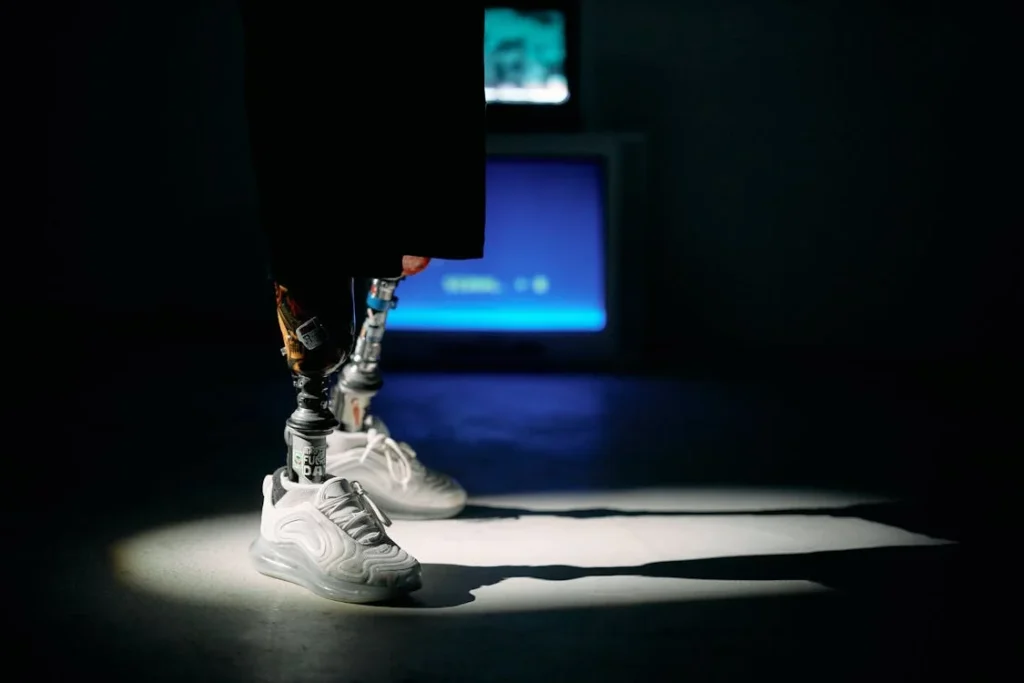
Losing both limbs, whether hands or legs, changes every part of a person’s life. Moving, holding things, walking, balancing — tasks that once felt natural now demand much more thought and effort. For bilateral amputees, daily life becomes a constant challenge of learning new ways to do the simplest things. At Robobionics, we have spent […]
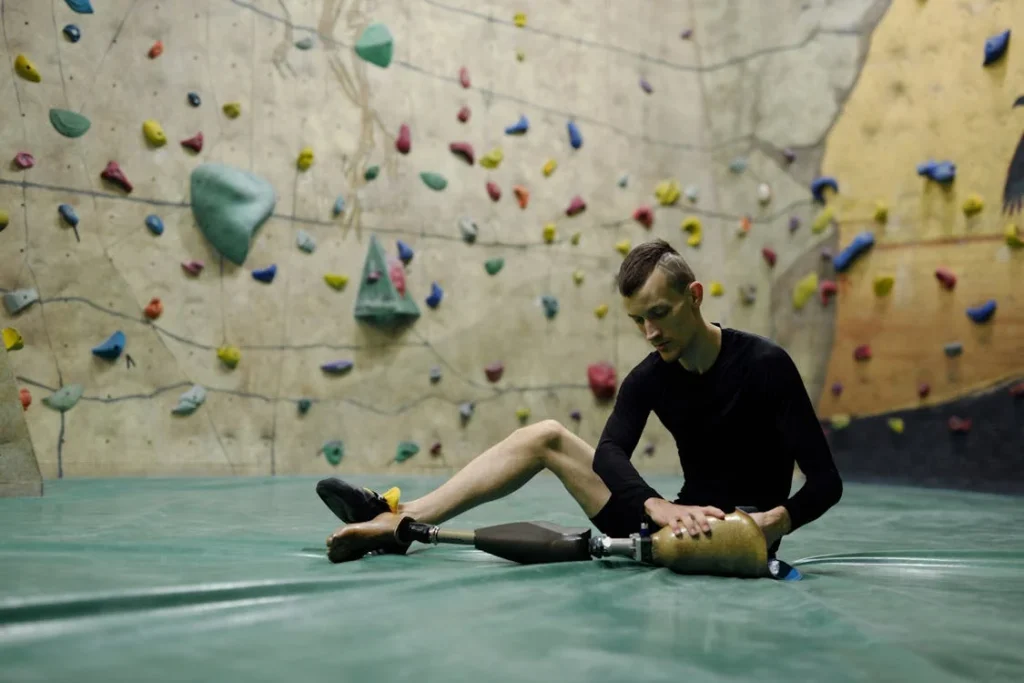
Walking is something most people never have to think about. Each step comes naturally, one after another, without a second thought. But for people who use prosthetic legs, every step can feel different. Making walking feel natural again is one of the biggest goals in modern prosthetics. One important part of this process is called […]
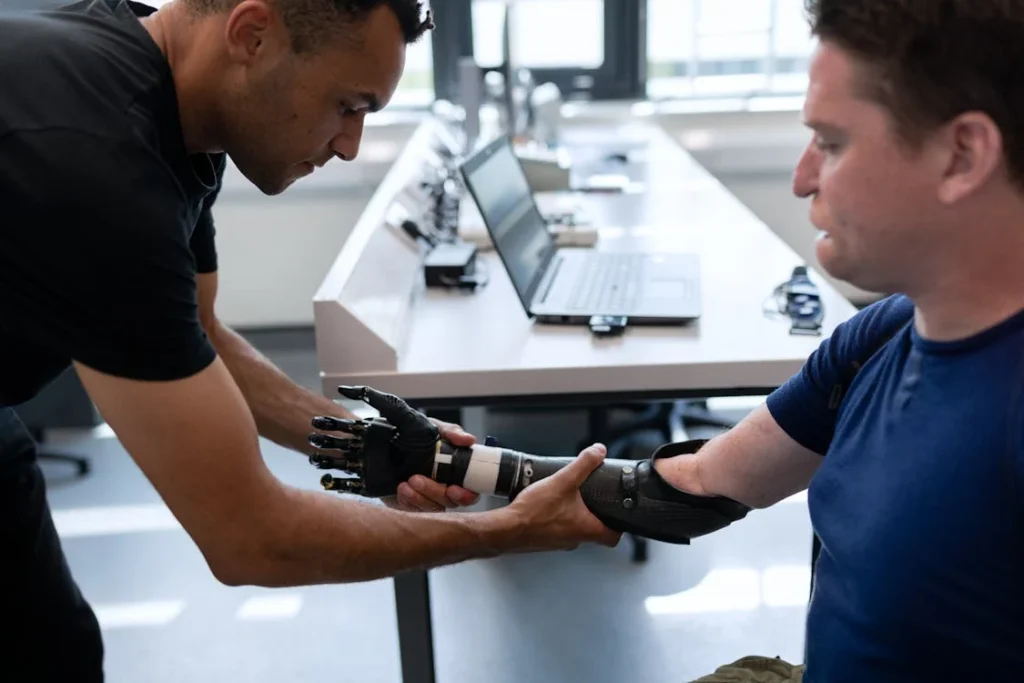
Walking, running, or even standing still requires a surprising amount of energy. For someone using a prosthetic, it can take even more effort because the body has to work harder to move in a way that feels natural. Every small misalignment, every extra swing or drag, adds up, making daily life more tiring than it […]