Learning to walk with a prosthetic limb is not just about movement — it’s about rebuilding trust with your body. It’s a process filled with learning, adjusting, and unlearning. Many people assume that once a prosthetic fits and you can stand, walking will follow naturally. But gait is more than just putting one foot in […]

Running is more than just fast walking. It’s a rhythm. A pattern. A full-body motion that, when done well, feels effortless — like your body is flowing forward with each stride. But for runners who are amputees or use prosthetic limbs, this rhythm can feel off. The body tries to find balance, speed, and power […]

Walking long distances can be a wonderful way to stay healthy, enjoy nature, or simply move from one place to another without stress. But many people struggle with lasting energy or feel discomfort after walking for too long. Sometimes, one leg might feel stronger than the other, or your body may feel out of balance. […]
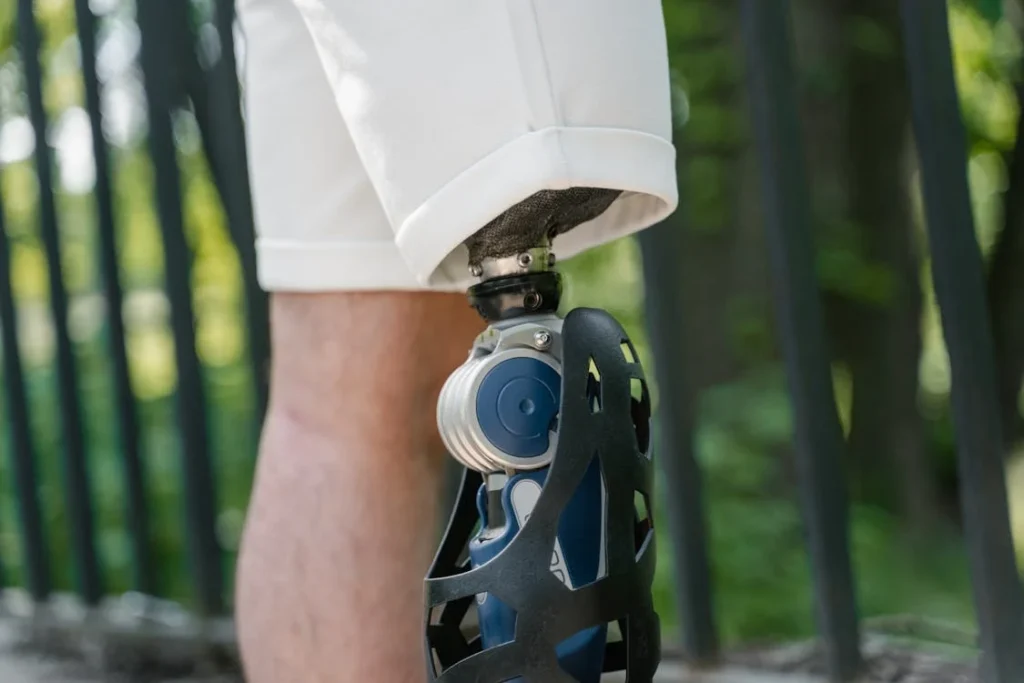
Learning to walk again with a prosthetic leg is not just about muscles, joints, and sockets. It’s also about the brain. The way we move is deeply connected to how we see ourselves move. When someone loses a limb, that natural connection between mind and body can be disrupted. It can make walking feel awkward, […]

Watching a child take their first steps is one of life’s most powerful moments. But when a child uses a prosthetic leg, those steps are more than just a milestone — they’re a symbol of courage, adaptation, and endless potential. At Robobionics, we’ve walked beside hundreds of children and families on this journey. We’ve seen […]