Post-Op Follow-Up Schedule That Prevents Prosthetic Delays (For Clinicians)
For many clinicians, the surgery is only the first step. What happens after the operation


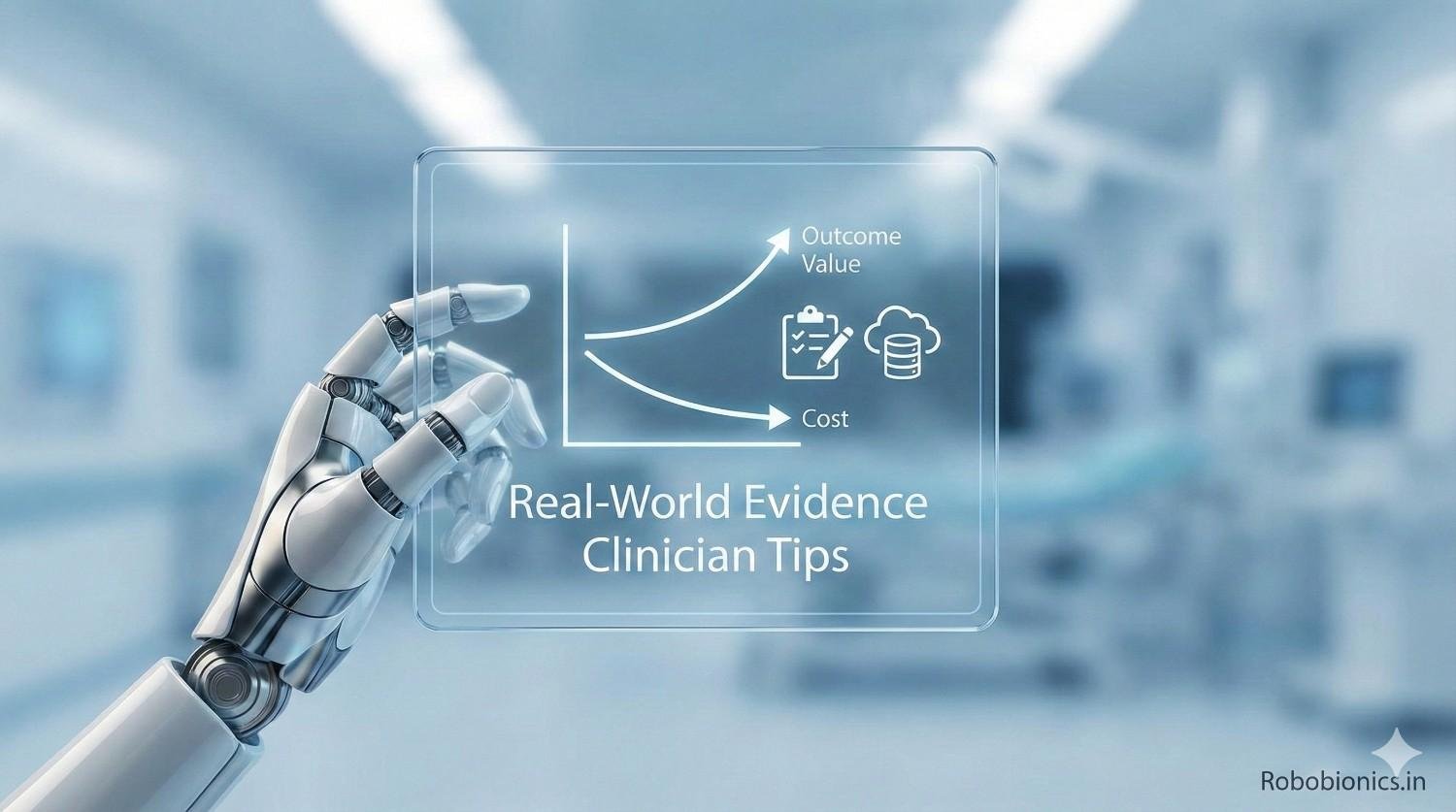
Doctors are often asked to justify why a certain prosthetic choice makes sense, not just clinically but financially. Hospitals, insurers, and even families want proof that outcomes are worth the cost. Randomized trials rarely reflect daily practice, especially in prosthetic care. This is where real-world evidence becomes powerful. Simple, consistent documentation from routine clinical work can strongly support cost-effectiveness claims. This article explains, in very clear terms, what real-world evidence means, why it matters so much today, and how clinicians can document care in a way that naturally builds strong, defensible evidence over time.
Real-world evidence is simply information collected while doing normal clinical work.
It does not require special studies, extra forms, or research grants.
Every fitting, follow-up, repair, and rehab session already generates data.
When this information is recorded with intention, it becomes evidence.
In prosthetic care, this kind of evidence is often more trusted than trials.
It reflects real patients, real settings, and real constraints.
Decision-makers increasingly value this realism.
It answers practical questions, not theoretical ones.
Clinical trials usually exclude complex cases.
They follow strict protocols that rarely match daily practice.
Prosthetic outcomes depend on behavior, environment, and service quality.
These factors are hard to control in trials.
Real-world evidence captures these messy realities.
It shows what actually happens after the device leaves the clinic.
For cost-effectiveness, this matters deeply.
Costs and benefits emerge over time, not just at delivery.
Every time a clinician notes progress, comfort, usage, or problems,
they are creating a data point.
When multiple patients show similar patterns,
those notes become a trend.
Trends are the backbone of real-world evidence.
They explain why certain choices work better.
The only missing step is consistency.
Structured notes turn scattered facts into proof.
Many clinicians know their patients do well.
They see fewer breakdowns and better adherence.
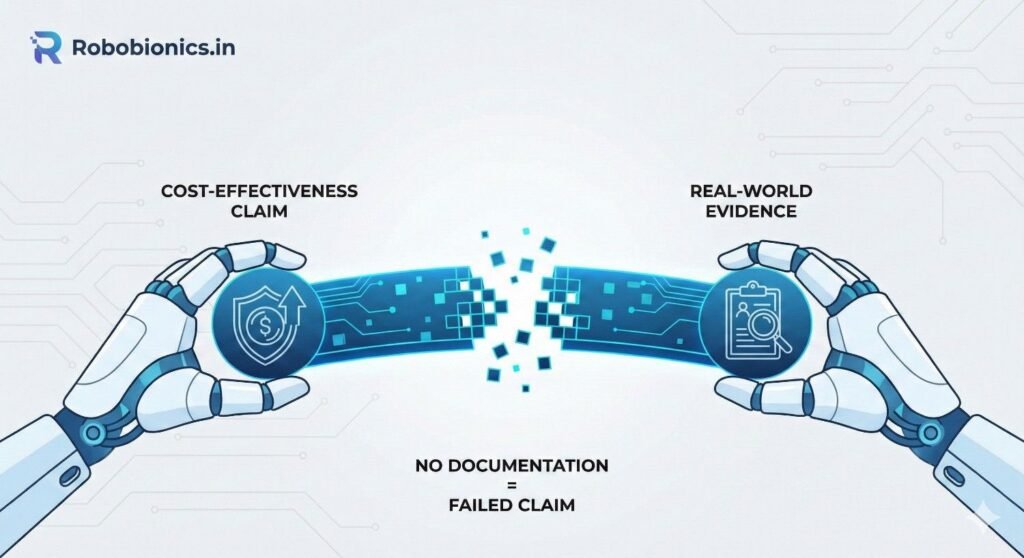
But without documentation, these observations remain anecdotal.
Anecdotes are weak in financial discussions.
Hospitals and insurers ask for patterns, not opinions.
They need evidence that can be reviewed later.
Without records, even excellent care appears unproven.
This is a missed opportunity.
System-level decisions are made far from the clinic.
Committees rarely meet patients.
They rely on files, summaries, and numbers.
If those are incomplete, decisions suffer.
Clinicians may lose access to preferred devices or approaches,
not because they are ineffective,
but because effectiveness was never documented clearly.
Documentation bridges this gap.
It carries the clinician’s voice forward.
When outcomes are unclear, costs feel higher.
Decision-makers assume inefficiency.
A device that performs well but lacks follow-up notes
may appear risky or expensive.
Clear documentation shows how costs are offset by outcomes.
Fewer visits, fewer repairs, and higher use matter.
Without this context, cost-effectiveness claims collapse.
The value story remains untold.
Simple measures of function matter.
Walking distance, grip confidence, task completion.
These do not need complex tools.
Consistent observation is enough.
Recording how function changes across visits
shows whether progress is steady or stalled.
Steady progress supports cost-effectiveness.
It shows value unfolding over time.
A prosthesis that is not used has zero value.
Usage is a core outcome.
Clinicians often ask about daily use.
Writing this down consistently is key.
Notes like “used daily for work”
carry more weight than vague satisfaction scores.
Over time, usage patterns tell a powerful story.
They explain why some devices deliver better value.
Cost-effectiveness is strongly influenced by service load.
Repairs, adjustments, and emergency visits add cost.
Clinicians already know which patients need frequent help.
Recording frequency and reasons makes this visible.
When certain choices reduce service burden,
documentation proves it.
This evidence speaks directly to payers and hospitals.
It links outcomes to cost control.
Clinical notes are often written only for immediate care.
But many others may read them later.
Writing clearly helps non-clinical reviewers understand value.
Simple language works best.
Avoiding shorthand and unexplained abbreviations helps.
Clarity improves credibility.
Each note becomes part of a larger narrative.
That narrative supports cost-effectiveness claims.
Consistency allows comparison.
If every clinician writes differently, patterns hide.
Using similar phrases for comfort, usage, and issues
makes trends easier to spot.
This does not require rigid templates.
It requires shared habits.
Over time, consistency turns notes into datasets.
Datasets carry influence.
Clinicians often document problems more than success.
This skews perception.
Recording absence of issues is equally important.
“No breakdowns since last visit” matters.
Negatives show stability.
Stability is a cost-effectiveness driver.
Balanced documentation reflects reality better.
It strengthens evidence.
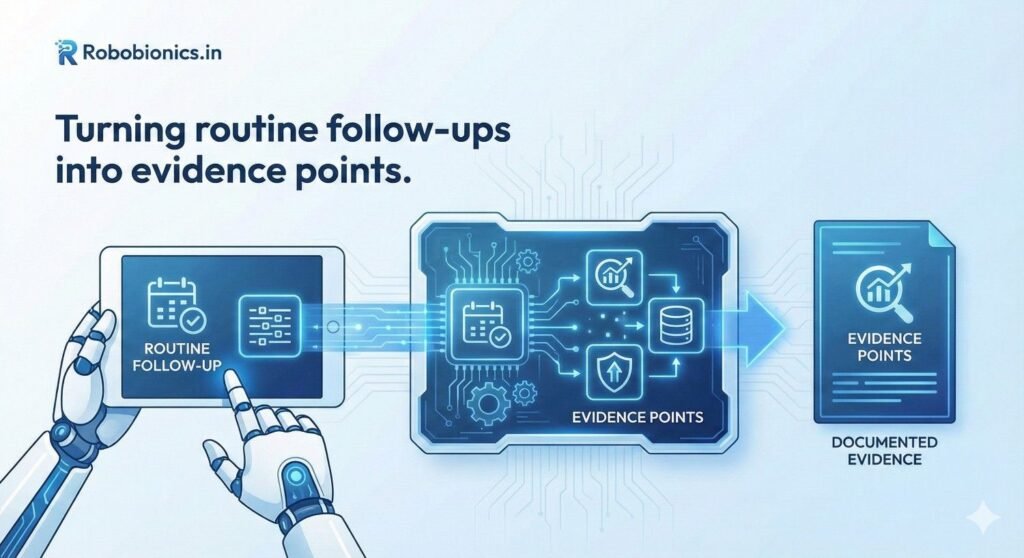
Follow-ups often focus on immediate complaints.
They should also capture outcomes.
A simple note on comfort, confidence, and daily use
adds long-term value.
These notes take little time.
They add significant evidence.
Over multiple visits,
they show trajectories rather than snapshots.
Trajectories are persuasive.
They explain why early choices matter.
Patients describe their lives in simple terms.
Clinicians should record those words.
Statements like “I can work full day now”
are powerful evidence.
They link clinical care to life impact.
Life impact drives cost-effectiveness.
Avoid over-medicalizing patient voices.
Plain language carries authenticity.
Rehab intensity affects results.
Documenting effort provides context.
When progress is good,
notes show why.
When progress is slow,
notes explain contributing factors.
This context protects clinicians.
It also improves interpretation of outcomes.
Documentation should not feel like extra work.
It should fit naturally.
Most clinics already use SOAP-style notes.
Adding a few outcome-focused lines is enough.
Small changes repeated often
create large datasets over time.
This approach respects clinician time.
It builds evidence quietly.
Asking the same few questions at each visit
standardizes data.
Questions about daily use, comfort, and confidence
are simple and fast.
Writing brief answers captures value.
No scales or scores needed.
Consistency beats complexity.
It makes evidence usable.
Electronic records can support structure.
But they should not overwhelm.
Simple dropdowns or prompts help.
Too many fields discourage completion.
Clinicians should help design practical templates.
Usability matters.
Good design increases adoption.
Adoption builds evidence.
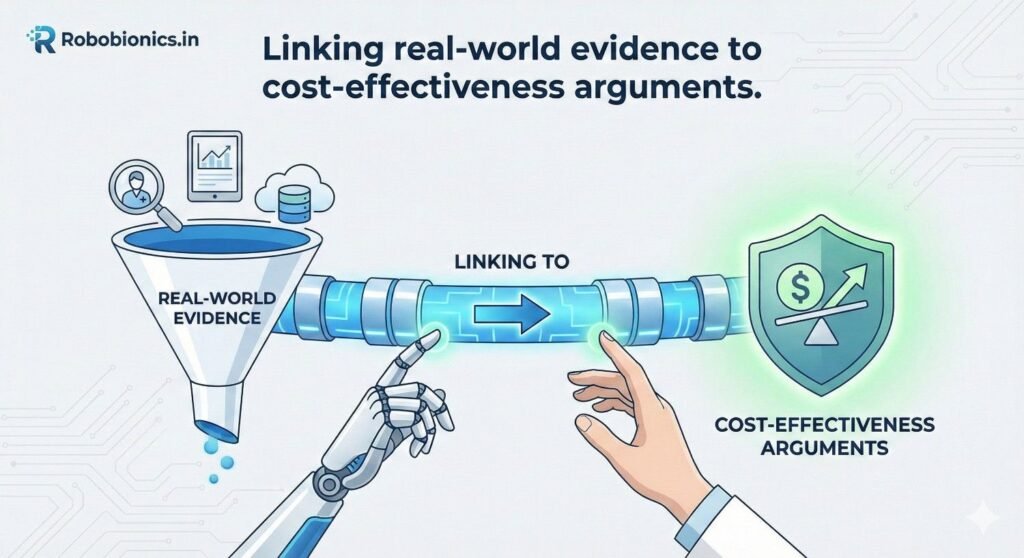
When clinicians talk about cost-effectiveness, the most common mistake is focusing only on the device price rather than on what happens after delivery. Real-world evidence allows doctors to show how outcomes unfold over months and years, and how these outcomes quietly offset the initial cost through reduced service needs, better function, and sustained use. This is where documentation becomes powerful, because it captures the ongoing story rather than a single transaction.
For example, when notes consistently show stable use, good comfort, and minimal adjustments across follow-ups, they demonstrate that the chosen solution requires less ongoing input. This reduced service burden translates directly into lower long-term cost, even if the upfront price is higher. When clinicians can point to their own patient records to show this pattern, cost-effectiveness arguments move from theory to lived proof.
Hospitals and payers often default to comparing prices because outcomes feel harder to measure. Clinician documentation can gently shift this conversation by making outcomes visible and concrete. When records clearly show faster functional gains, fewer complications, and sustained independence, the focus naturally moves toward value delivered rather than money spent.
Doctors do not need to calculate cost per outcome themselves. They need to document outcomes in a way that allows others to see the link. When documentation shows that patients require fewer visits, fewer repairs, and less intensive rehab, decision-makers can easily connect these dots. The clinician’s role is to ensure those dots exist in the first place.
Single visits rarely prove anything. Cost-effectiveness emerges across time. Real-world evidence is strongest when it shows consistent patterns across many patients and many months. This is why follow-up documentation matters more than initial fitting notes.
When clinicians record steady progress, stable use, and low complication rates across their patient population, they create a longitudinal picture of value. This picture is far more persuasive than isolated success stories. Over time, such patterns form the backbone of strong internal reports, reimbursement discussions, and even policy submissions.
Reimbursement discussions often stall because medical necessity appears limited to the moment of fitting. Real-world evidence extends necessity across the care journey by showing how continued use supports function, safety, and independence. Clinician notes that describe how a prosthesis enables work, mobility, or daily living tasks make necessity ongoing rather than episodic.
When documentation shows that removing or downgrading a device would reduce function or increase dependency, it strengthens reimbursement arguments. These records show that the prosthesis is not optional or cosmetic, but central to the patient’s health and participation. This framing resonates strongly with payers reviewing long-term claims.
Upgrades and advanced components often face scrutiny because their value is questioned. Real-world evidence allows clinicians to justify these choices based on observed outcomes rather than promises. When notes show limitations with basic solutions and measurable improvements after changes, the upgrade becomes defensible.
Clear documentation of problems before the upgrade, followed by improvements in comfort, use, or function after, creates a before-and-after narrative. This narrative is far more convincing than abstract claims. It shows that cost increases were tied to real need and real benefit.
Many reimbursement denials stem from unclear or incomplete reasoning rather than from disagreement about outcomes. Clinician documentation that explains why a particular approach was chosen, based on patient needs and context, reduces ambiguity.
When reasoning is explicit and linked to observed outcomes, reviewers have less room to question intent. Clear notes protect both the patient and the clinician by showing that decisions were thoughtful, patient-centered, and evidence-informed.
Hospital committees often include non-clinical members who rely heavily on written records. Clinician documentation becomes their primary window into patient outcomes. Notes that clearly describe functional gains, stability, and reduced complications help committees understand why certain approaches should be supported.
When clinicians document in plain language that links care decisions to patient outcomes, they make it easier for committees to approve protocols and partnerships. This clarity reduces friction and speeds decision-making.
Hospitals are cautious about changing standard practices. Real-world evidence from within the institution carries special weight because it reflects local conditions, patient populations, and workflows. When clinicians document consistent success with certain approaches, they provide internal proof that change is safe and beneficial.
Over time, this internal evidence can support updates to care pathways and procurement policies. Clinicians who document well contribute not only to individual patient care, but also to system-level improvement.
Clear documentation also protects clinicians during audits or quality reviews. When outcomes and reasoning are well recorded, decisions are easier to defend. This protection reduces stress and builds confidence in practice.
Auditors are not looking for perfection. They are looking for consistency and logic. Real-world evidence, when documented clearly, meets this need effectively.
Clinicians often assume that data analysis requires specialized software or research teams. In reality, many insights can be drawn from simple aggregation of routine notes. Even basic counts of follow-up visits, repairs, or reported use can reveal meaningful patterns.
When documentation uses consistent language and categories, simple reviews become possible. This allows clinics to summarize outcomes periodically without heavy effort. These summaries strengthen cost-effectiveness discussions at multiple levels.
Clinicians do not need to analyze data alone. Administrators, quality teams, and prosthetic partners often have the capacity to support aggregation and presentation. Good documentation makes collaboration easier because the raw material is already there.
When clinicians and partners work together, real-world evidence can be transformed into reports, presentations, and policy inputs. This collaboration amplifies the impact of everyday documentation.
While building evidence, clinicians must always respect privacy and consent norms. Aggregation should focus on patterns, not on exposing individual identities. Ethical handling of data preserves trust and credibility.
When evidence is built responsibly, it strengthens the profession rather than risking harm. Ethical practice and strong evidence go hand in hand.
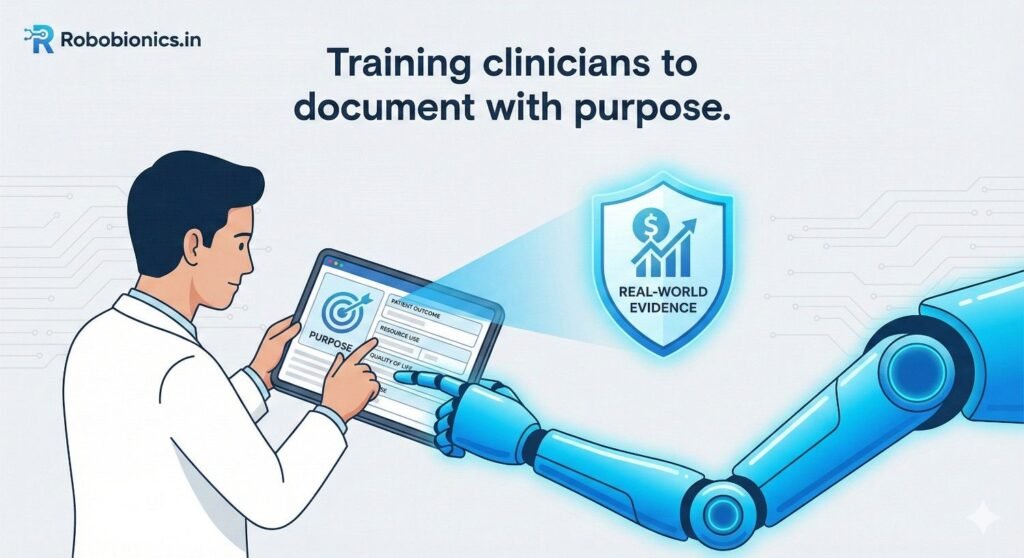
The biggest barrier to better documentation is the belief that it adds work. In reality, it is a shift in focus rather than an increase in time. Writing notes with outcomes in mind changes emphasis, not length.
Clinicians who understand how their notes influence larger decisions are more motivated to document clearly. Purpose transforms routine tasks into meaningful contributions.
Documentation improves fastest when teams agree on shared habits. Peer discussions about what to note and how to phrase observations create alignment. This alignment improves data quality across the clinic.
Shared standards do not need to be rigid. They need to be practical and agreed upon. This balance supports adoption without resistance.
Clinicians should receive feedback on how their documentation is used. When doctors see their notes supporting approvals or reimbursement, the value becomes tangible. This feedback loop reinforces good habits.
Over time, documentation quality improves naturally when its impact is visible. Evidence-building becomes part of professional identity rather than an administrative burden.
Clinicians often see documentation as a record of care, but in today’s systems it also functions as a bridge between clinical reality and financial decision-making. Every note connects what happened in the clinic to how that care will later be judged by hospitals, payers, and policymakers. When documentation reflects outcomes clearly and consistently, it allows value to travel beyond the consultation room.
This mindset shift is essential. Instead of asking what must be written to close a file, clinicians can ask what future reader might need to understand why this care made sense. This does not require longer notes. It requires clearer intent. Over time, this clarity builds a body of real-world evidence that supports cost-effectiveness naturally, without special effort.
Across all prosthetic cases, three outcome anchors matter most for cost-effectiveness: function, use, and stability. Function reflects what the patient can do. Use reflects whether the prosthesis is actually part of daily life. Stability reflects how often problems interrupt that life. When clinicians document these three anchors consistently, the value story becomes clear.
Function shows benefit. Use shows relevance. Stability shows sustainability. Together, they explain why costs are justified and why certain choices reduce long-term burden. Even brief notes that touch on these anchors, visit after visit, accumulate into strong evidence. This approach keeps documentation focused and meaningful rather than scattered.
Cost-effectiveness is rarely proven in a single moment. It emerges across months and years. Clinicians do not need to prove everything at once. They need to let time work in their favor by recording outcomes consistently.
When records show that patients remain active, require fewer interventions, and maintain use over time, the cost argument strengthens automatically. Delays, setbacks, and challenges can also be documented honestly. What matters is the trajectory. Longitudinal patterns are more persuasive than perfect snapshots.
When asked whether a prosthetic choice is worth the cost, clinicians can point to real-world outcomes rather than abstract claims. They can explain that patients with similar profiles have shown sustained use, fewer service needs, and better function over time, as reflected in routine follow-up records.
This response feels grounded and credible because it is based on lived experience rather than marketing or isolated studies. It reassures decision-makers that value has been observed repeatedly, not promised hypothetically. Documentation makes this confidence possible.
Newer solutions often face skepticism because their long-term value is uncertain. Real-world evidence reduces this uncertainty by showing early patterns of benefit and stability. Clinicians can document how patients adapt, how often adjustments are needed, and how use evolves over time.
When early real-world outcomes are visible and transparent, skepticism softens. Decision-makers understand that evidence is being built responsibly rather than assumed. This openness strengthens trust and supports responsible innovation.
Patients sometimes ask clinicians to support appeals or approvals. Clear documentation allows clinicians to advocate effectively without emotional appeals alone. When records show consistent benefit and necessity, advocacy becomes factual rather than persuasive.
This protects clinicians from appearing biased and protects patients from arbitrary decisions. Evidence-based advocacy is calmer, stronger, and more successful.
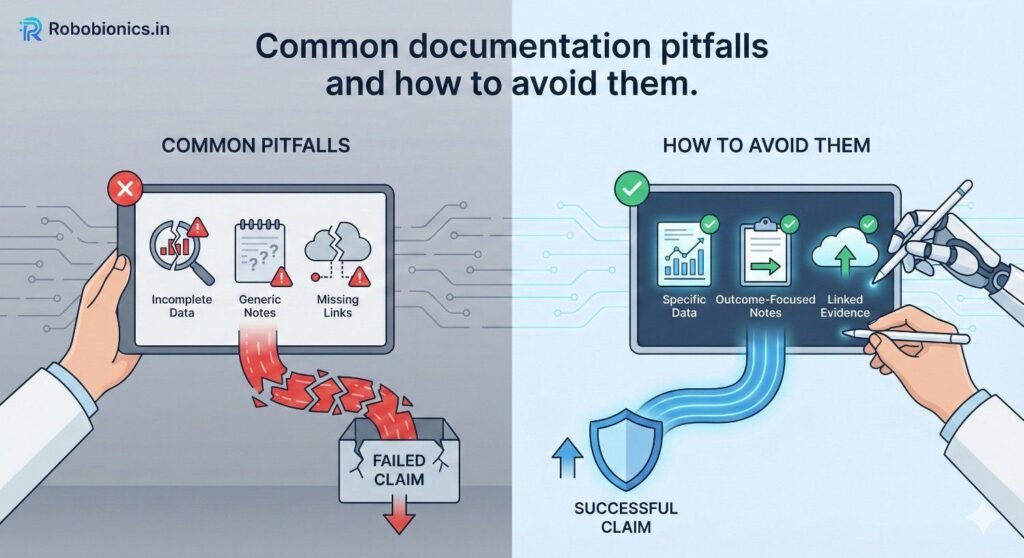
Many records focus heavily on problems, while periods of stability go undocumented. This creates a distorted picture where care appears reactive and inefficient. Clinicians should document stability and success with the same care as complications.
Notes that say a patient is doing well, using the device daily, and not needing adjustments are powerful. They show that the system is working. Over time, these quiet successes define cost-effectiveness more than rare crises.
Phrases like “patient satisfied” or “doing okay” lack meaning for reviewers. They do not explain what is working or why. Slightly more descriptive language adds clarity without adding length.
Describing specific activities, comfort levels, or changes in routine makes outcomes tangible. This specificity improves the usefulness of documentation for anyone evaluating value later.
Some clinicians avoid any language that could be interpreted as financial. While clinicians should not discuss costs directly in notes, documenting outcomes that influence cost is appropriate and important.
Reduced visits, fewer repairs, and stable use are clinical facts with financial implications. Recording them does not compromise ethics. It supports transparency and responsible care.
Strong real-world evidence emerges when entire teams document with similar intent. Prosthetists, therapists, and clinicians should align on what outcomes matter and how they are described. This alignment reduces variation and strengthens patterns.
Leadership can support this by encouraging discussion and sharing examples of effective notes. When teams see how documentation supports approvals or reduces disputes, motivation increases naturally.
Periodic reviews of aggregated outcomes help teams see the impact of their work. These reviews do not need to be formal research meetings. Even simple discussions about trends in use, repairs, or progress reinforce learning.
When clinicians see patterns across patients, their confidence in certain approaches grows. This confidence feeds back into better care and clearer documentation.
Prosthetic providers and technology partners play an important role in supporting evidence-building. Partners who encourage outcome tracking, provide follow-up support, and respect documentation needs strengthen the entire ecosystem.
Clinicians should seek partnerships that align with evidence-based practice rather than those focused only on transactions. Alignment here improves both outcomes and credibility.
Real-world evidence is not about turning clinicians into researchers. It is about recognizing that everyday care already generates powerful proof when it is documented thoughtfully. In prosthetic care, where outcomes depend on long-term use, behavior, and service quality, this kind of evidence is especially valuable.
Cost-effectiveness claims become stronger when they are rooted in routine clinical reality rather than abstract models. Clear documentation allows clinicians to show how value unfolds over time, how costs are offset by stability and function, and why certain choices make sense beyond price tags.
At RoboBionics, we believe that clinicians are the most credible source of real-world evidence. When their voices are captured clearly through documentation, the system listens. Better decisions follow, not because costs are ignored, but because value is finally visible.
Thoughtful documentation is not an administrative task. It is an extension of care. It ensures that good outcomes are not just achieved, but also recognized, protected, and sustained for the patients who depend on them.
For many clinicians, the surgery is only the first step. What happens after the operation
For trauma amputees, the journey does not begin at the prosthetic clinic. It begins much
Amputation after cancer is not just a surgical event. It is the end of one
When a child loses a limb, the challenge is never only physical. A child’s body