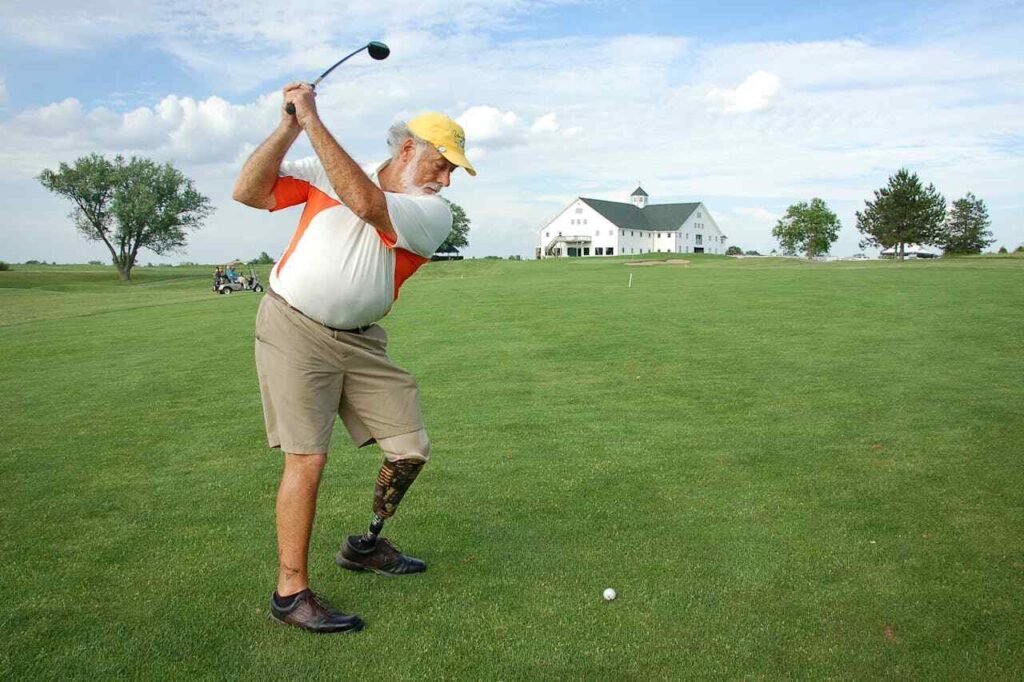
Getting a prosthetic hand to move is one thing. Getting it to move without thinking—smoothly, naturally, automatically—that’s something else entirely. That’s where muscle memory comes in. Muscle memory is what lets a person grab a cup without looking or button a shirt without pausing. It’s not about strength. It’s about repetition, confidence, and control. And […]

Learning to use a prosthetic limb isn’t just about moving muscles. It’s about training the brain. Every movement—from picking up a spoon to tying shoelaces—starts with signals in the mind. When someone begins using a bionic hand or arm, those signals need to be retrained. The brain must build new paths. It must learn to […]
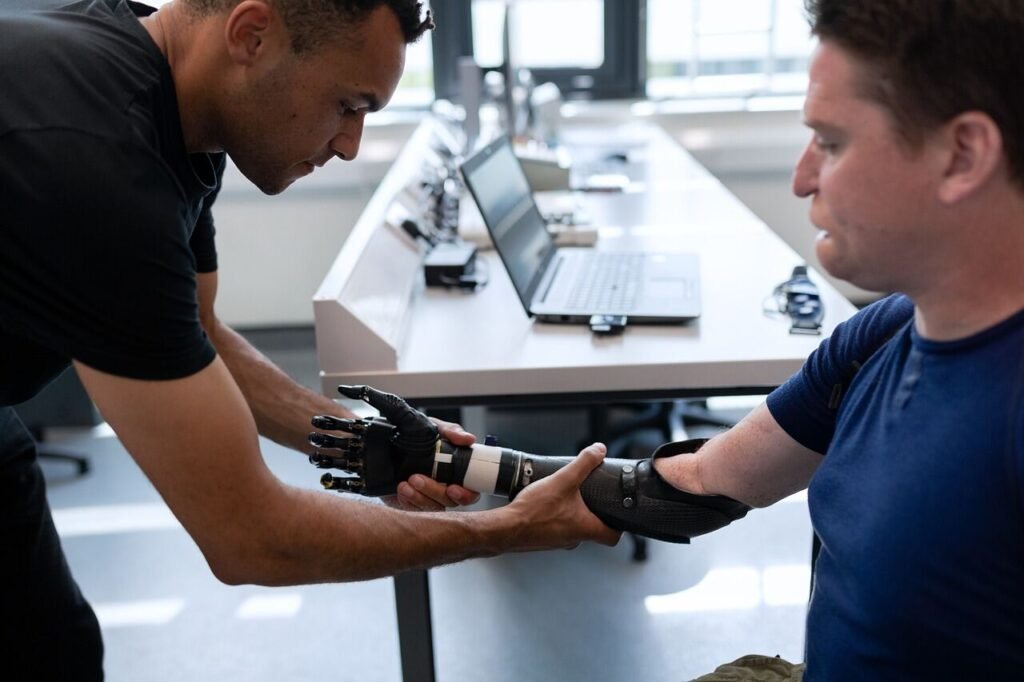
Fitting a bionic limb is just the beginning. What truly makes a difference in a user’s life is what comes after—the journey of learning, adapting, and regaining control. Rehab sessions are where this transformation happens. They’re not just about teaching movements. They’re about rebuilding confidence, rebuilding routines, and helping someone feel at home in their […]
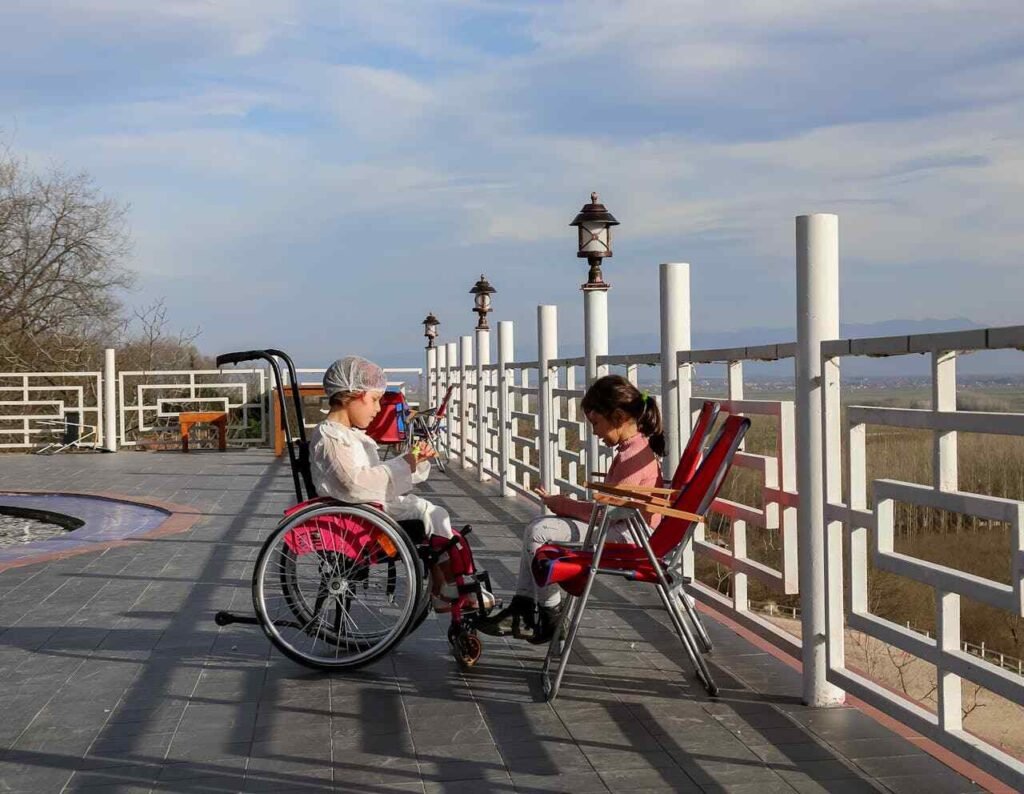
Think about what it means to truly feel. Not just touching something, but really sensing it—knowing if it’s soft, hard, warm, or fragile. For most people, this happens naturally. For someone using a prosthetic hand, it doesn’t. Or at least, it didn’t. Now, imagine giving that feeling back. Imagine your patient not just holding a […]
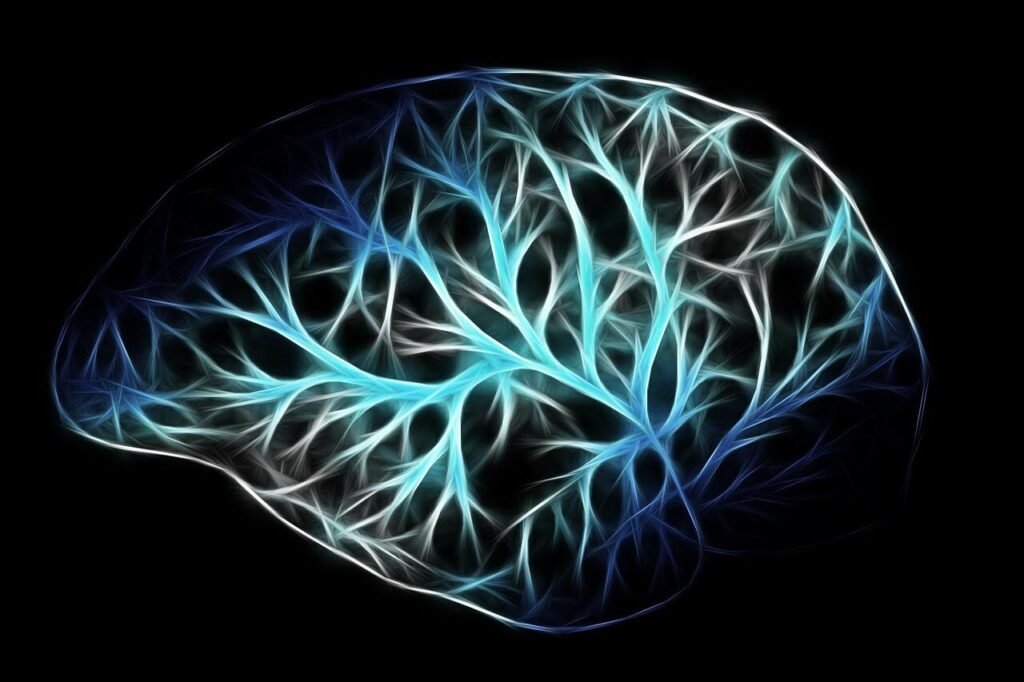
When a person uses a bionic hand, they’re not just moving a machine. They’re entering a conversation with it. That conversation is what we call a feedback loop. At its simplest, it means the user sends a signal, the device responds, and the user reacts to that response. But in adaptive systems, this loop goes […]