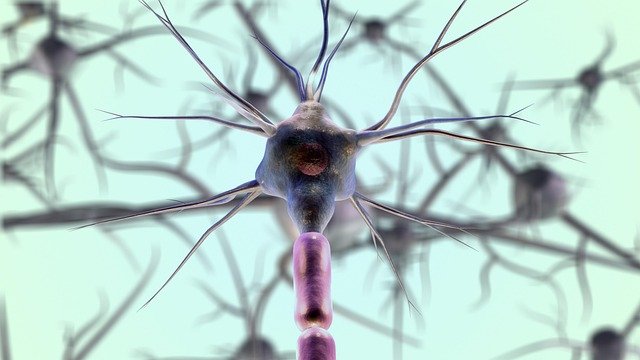
Helping someone use a bionic limb is not just about fitting a device. It’s about helping their brain learn something new. Neural learning is the hidden key that helps users move, control, and trust their prosthetic hand. As a clinician, understanding how the brain works with a bionic limb can help you guide your patients […]

Fitting a prosthetic hand is more than just finding the right size or shape. It’s about helping someone rebuild their life—piece by piece, moment by moment. But beyond the physical fitting, there’s something even more important happening beneath the surface: the brain is learning how to work with the new limb. This process, known as […]
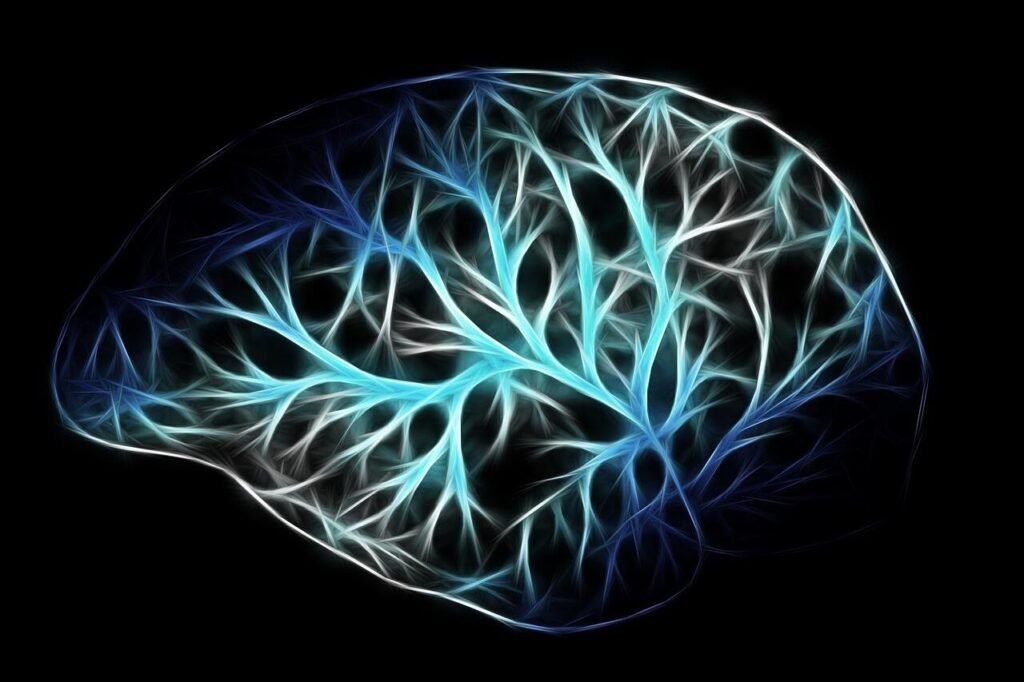
Losing a limb is life-changing. It can shake your world and bring a lot of pain, fear, and questions. But thanks to science and technology, there is new hope. Bionic hands, like our very own Grippy™, are helping people with amputations get back their movement—and their confidence. But there’s something even more powerful working quietly […]
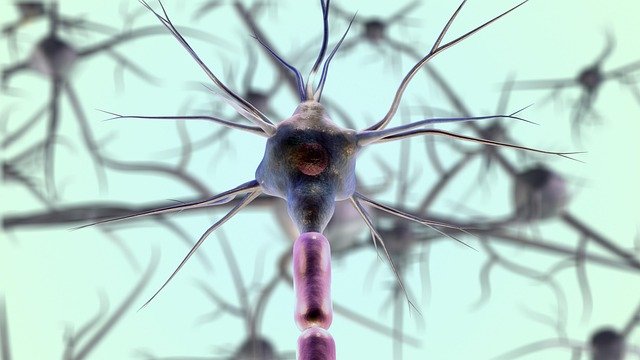
For someone using a prosthetic, moving the hand is only half the story. The real challenge is making that movement feel natural—smooth, responsive, and connected to the brain’s intention. Traditional prosthetics often require extra effort. Users must think hard, adjust manually, or watch their hand to be sure it’s doing what they want. This makes […]
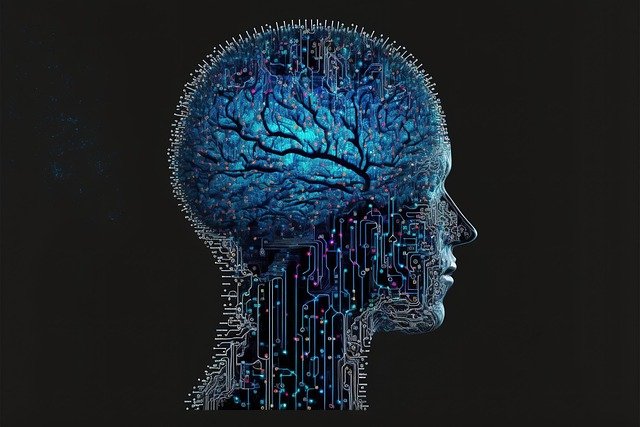
When most people think about bionic hands, they imagine movement—the ability to open, close, and grip. But real control is not only about movement. It is about feeling. Touch tells us when we are holding something too tightly. It lets us sense when something is slipping. It reassures us that an object is secure without […]