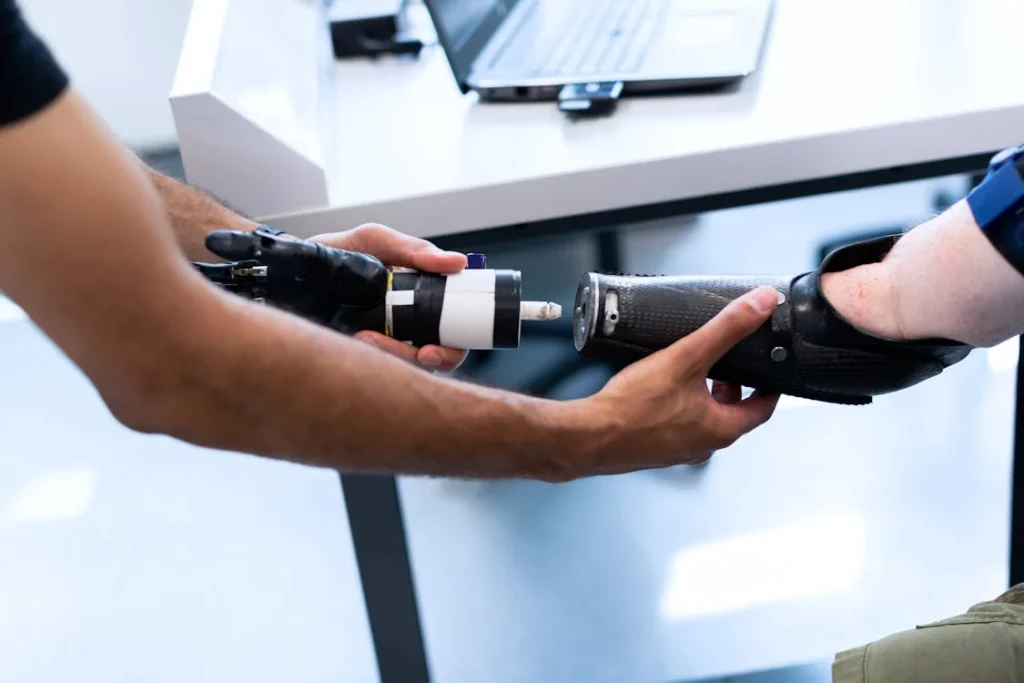
Getting a prosthetic hand is a big step. But getting it to work just right for your daily life? That takes something extra. That’s where grip calibration comes in. It’s the quiet hero behind every smooth motion, every firm hold, and every gentle release. Think of it like tuning a musical instrument. You already have […]
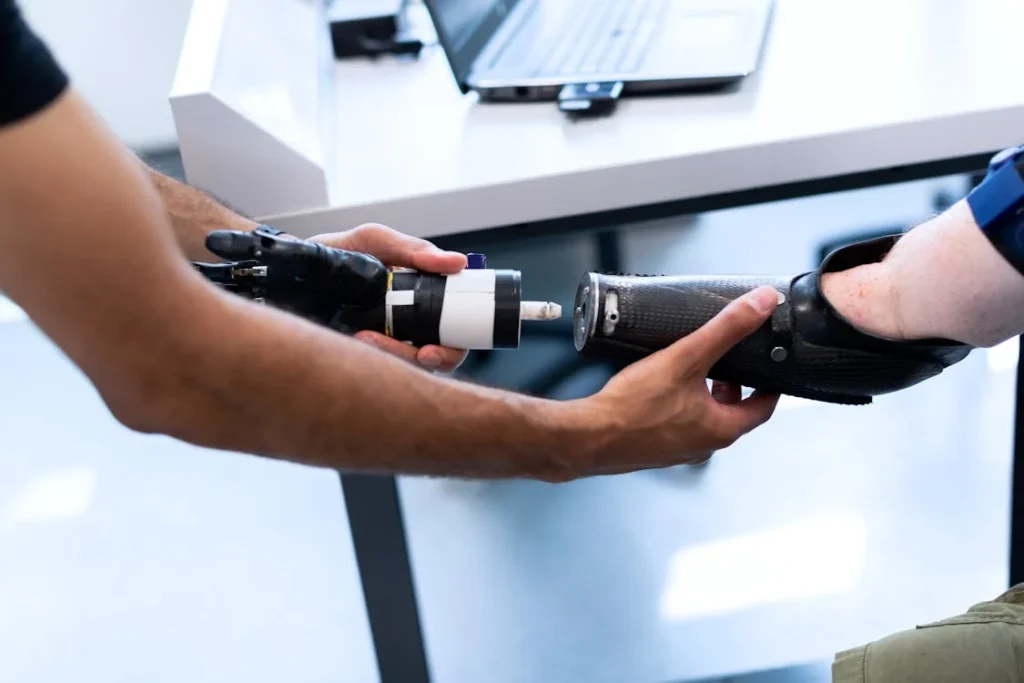
When you think about what makes a robotic hand truly useful, grip strength is probably the first thing that comes to mind. After all, if a hand can’t hold on to objects properly, it doesn’t matter how advanced the technology inside it is. But what many people don’t realize is that it’s not just about […]
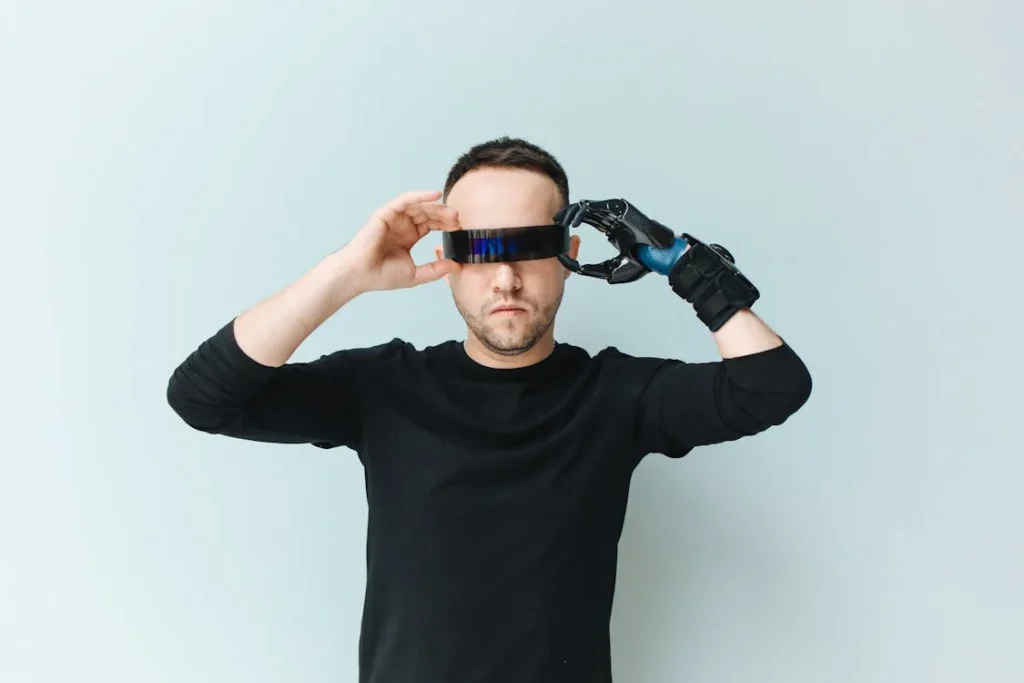
Designing a bionic hand isn’t just about building a machine that opens and closes. It’s about recreating one of the most powerful tools the human body has ever known. Our hands don’t just grip—they feel, adjust, balance, and respond. At RoboBionics, we’ve spent years trying to understand every little detail behind a simple grip, because […]
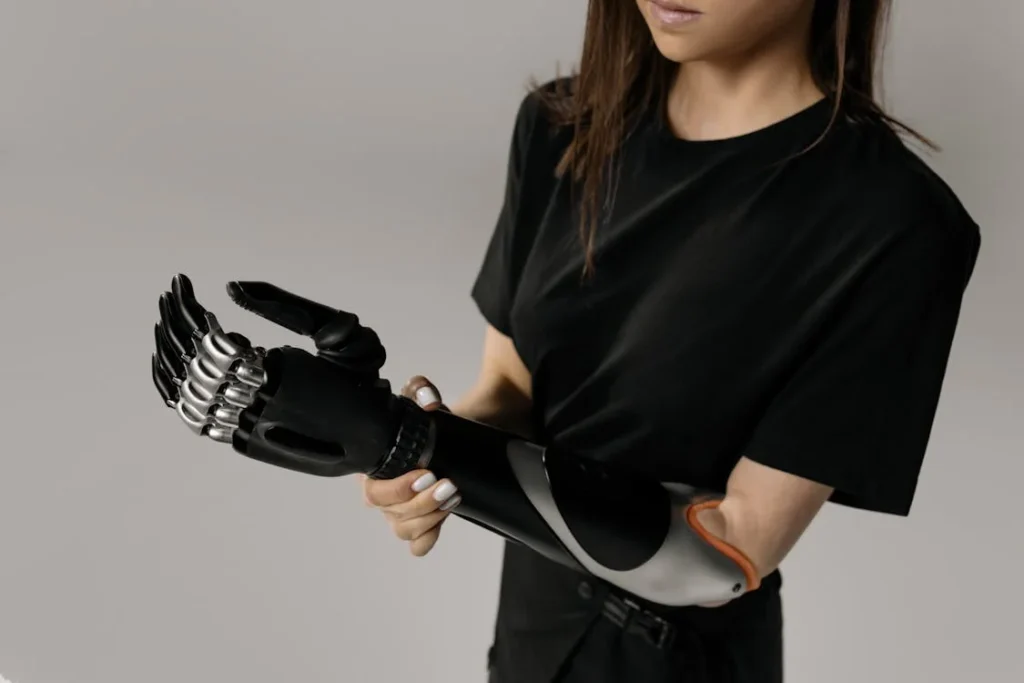
When you’re thinking about getting a prosthetic hand—or helping someone else make that choice—it can feel overwhelming. There are so many names, types, and tech features that it’s hard to know what really matters. Some hands use electricity. Some respond to muscles. Others combine different systems altogether. And now, there’s a new contender making waves: […]
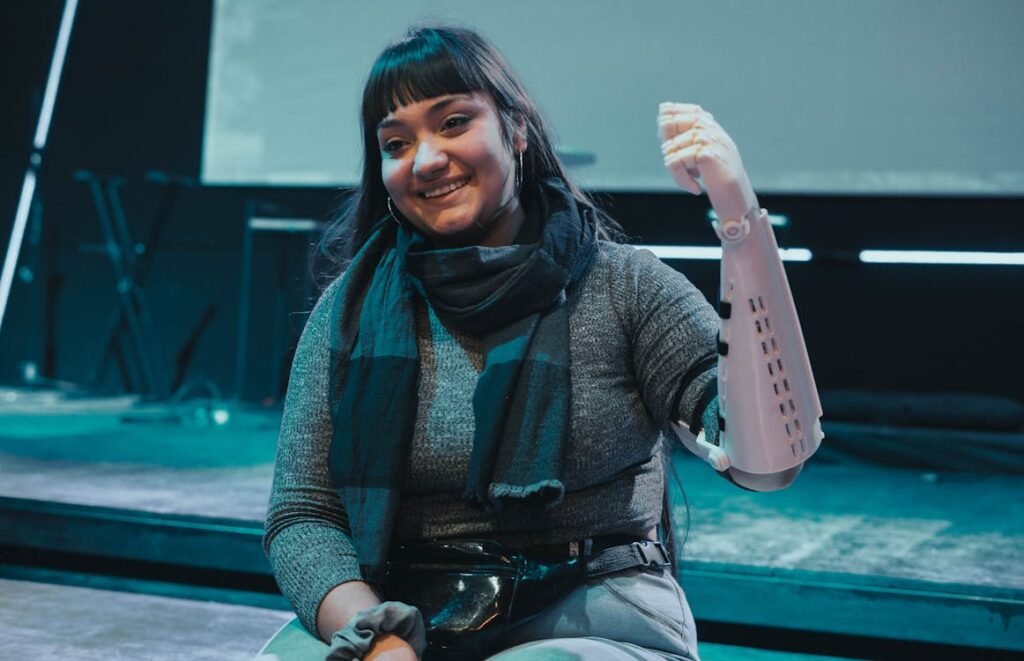
We use our hands for everything—tying shoelaces, holding a glass of water, turning a doorknob. It feels natural, right? But for someone who has lost a hand, even the smallest task can feel like climbing a mountain. That’s where bionic hands come in. These smart devices don’t just help people hold things. They help them […]