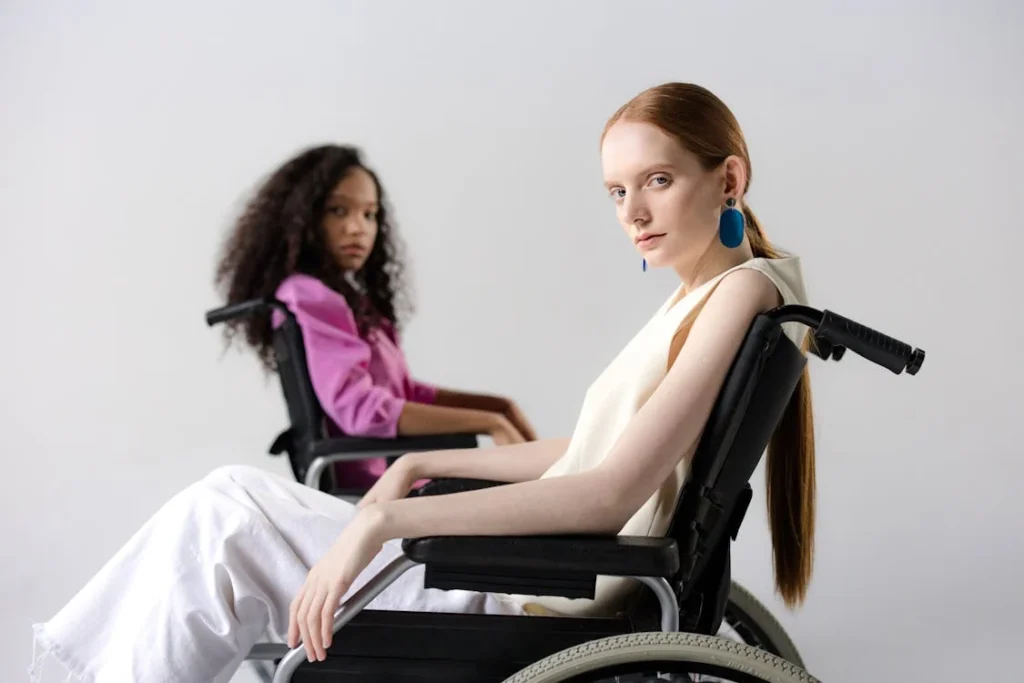
Helping a child adapt to life with a prosthetic limb is not just about fitting the device—it’s about guiding them through growth, movement, and learning how to carry their weight in a healthy way. Unlike adults, children are still developing. Their bones are growing, their muscles are changing, and their balance is constantly evolving. That […]

Getting used to a prosthetic limb is not just about wearing it—it’s about building your body’s strength and trust in it. One of the biggest steps after amputation is improving something called weight-bearing tolerance. In simple terms, it means helping your body get comfortable with putting weight on your prosthetic limb—whether it’s standing, walking, or […]
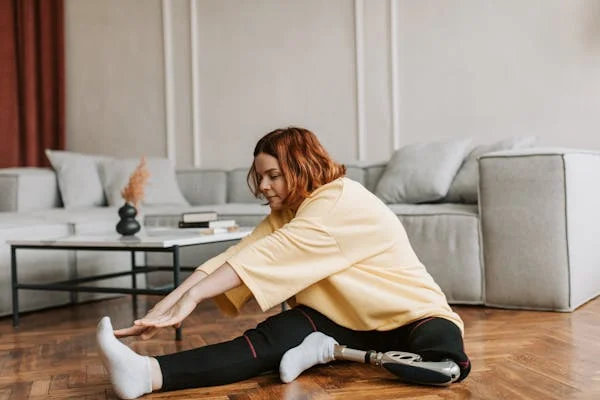
When someone loses a limb, life changes in many ways—some expected, others not so obvious. One of the challenges that surprises many amputees is the sudden discomfort in areas of the body they didn’t expect to feel pain—especially the back and hips. It might seem strange at first. After all, if the limb is gone, […]
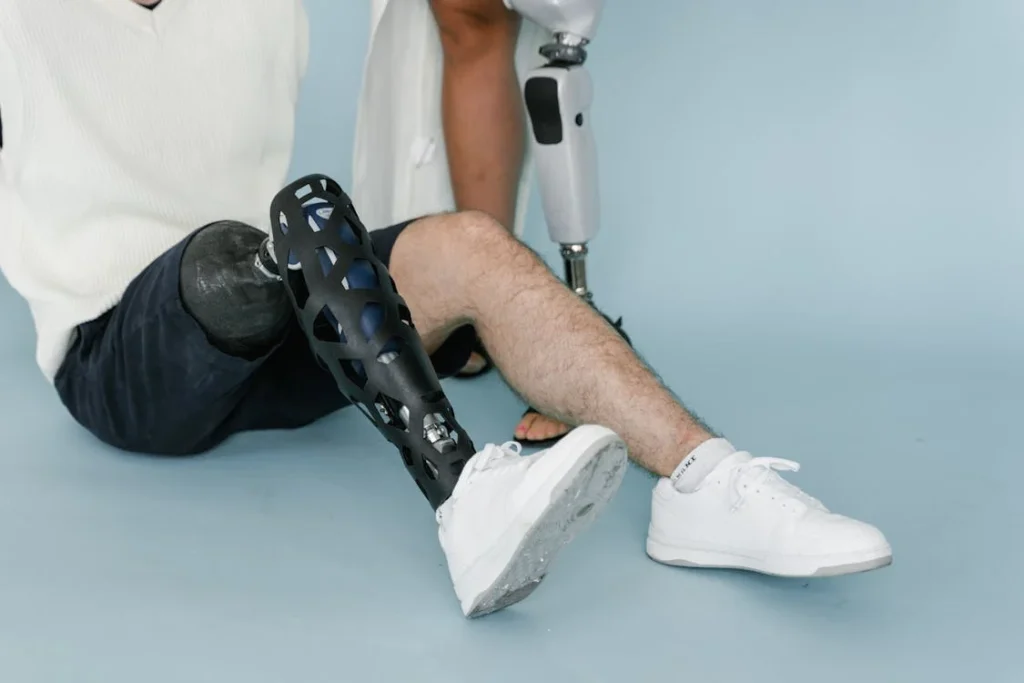
Every step you take sends a message through your body. For people with a prosthetic leg, that message comes through the foot — the very part designed to carry weight, manage shock, and keep balance with every move. Prosthetic feet have come a long way. What once was a rigid block has now evolved into […]
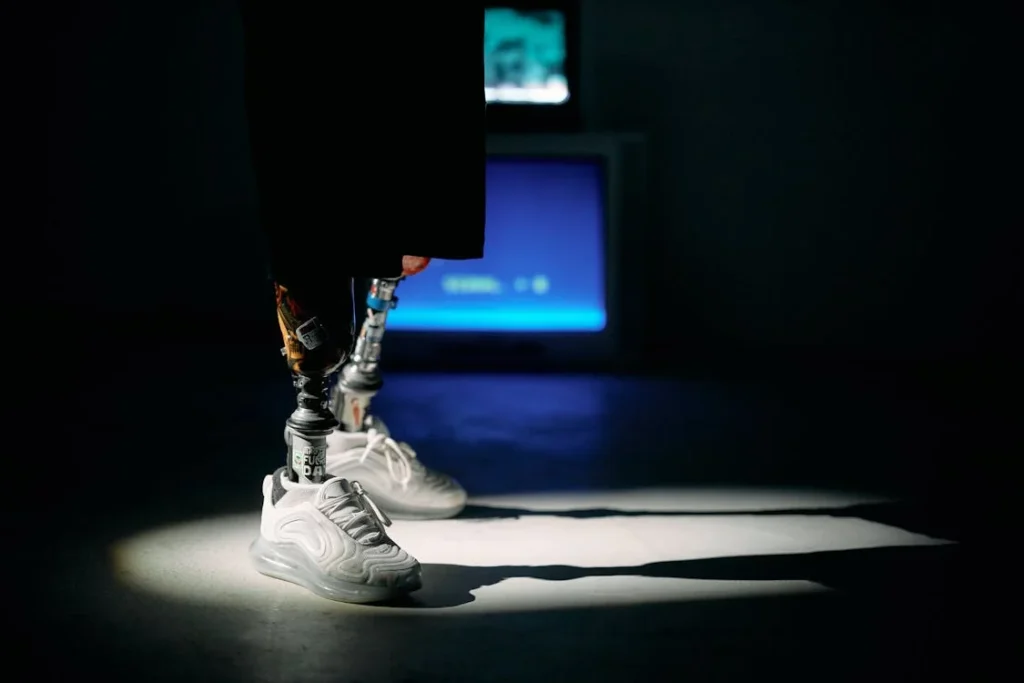
Walking on two prosthetic legs is a challenge that’s hard to describe unless you’ve lived it. For people with bilateral lower limb amputations, every movement is a test of balance, strength, and trust — trust in the prosthetic limbs, in the body, and in the process of learning all over again. The way the body […]