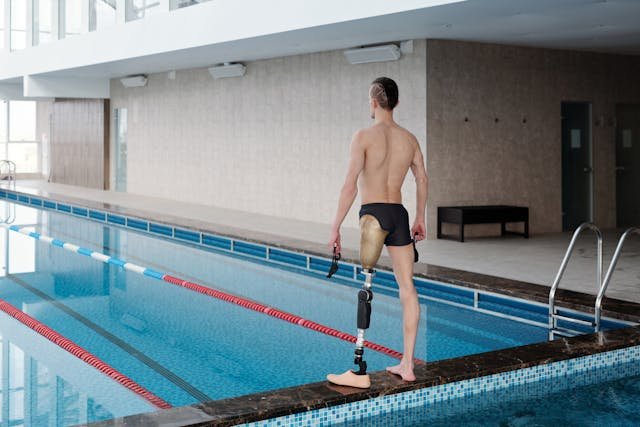
Prosthetic technology is evolving at an incredible pace, giving people with limb loss more freedom than ever before. One of the biggest challenges for prosthetic users has always been water exposure and rough terrain. Traditional prosthetics are often damaged by water, sand, or extreme weather, limiting activities like swimming, hiking, or walking in the rain. […]
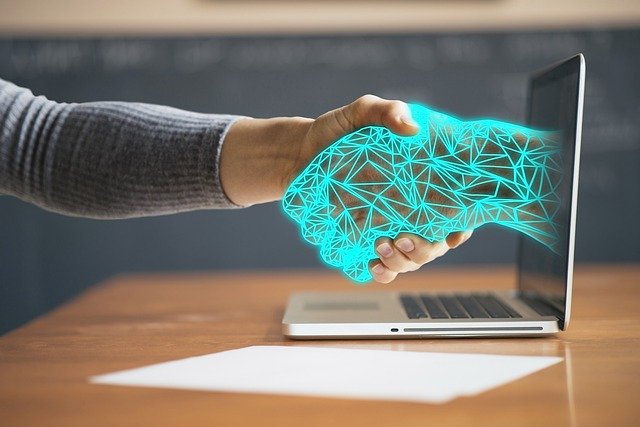
Prosthetic technology has advanced significantly in the past decade, but one of the biggest breakthroughs is the use of machine learning (ML) to create customized prosthetic solutions. No two individuals are the same, and every prosthetic user has unique needs. Machine learning is making it possible to analyze movement patterns, muscle signals, and personal preferences […]
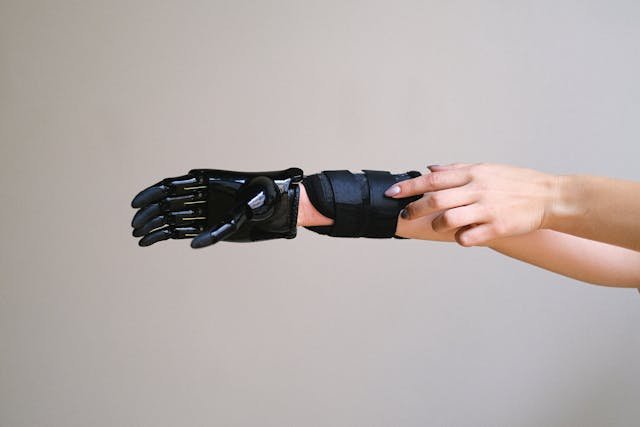
Prosthetic technology has come a long way, but one of the biggest factors influencing comfort, function, and longevity is the materials used in their construction. Prosthetic limbs must be lightweight yet strong, flexible yet durable, and comfortable for daily use. Until now, many prosthetics have relied on traditional metals, plastics, and silicone, but the future […]
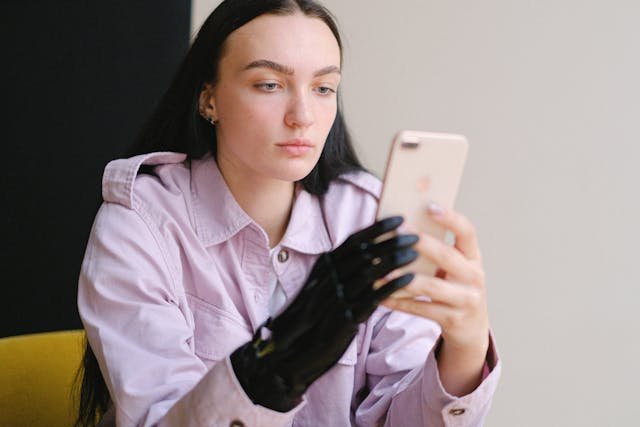
Technology is evolving fast, and for people with disabilities, Artificial Intelligence (AI) is opening new doors to independence and convenience. AI-powered disability tech is no longer just about basic accessibility—it is now creating smart, adaptive solutions that help individuals navigate their daily lives with greater ease, confidence, and efficiency. From AI-powered prosthetics that learn from […]
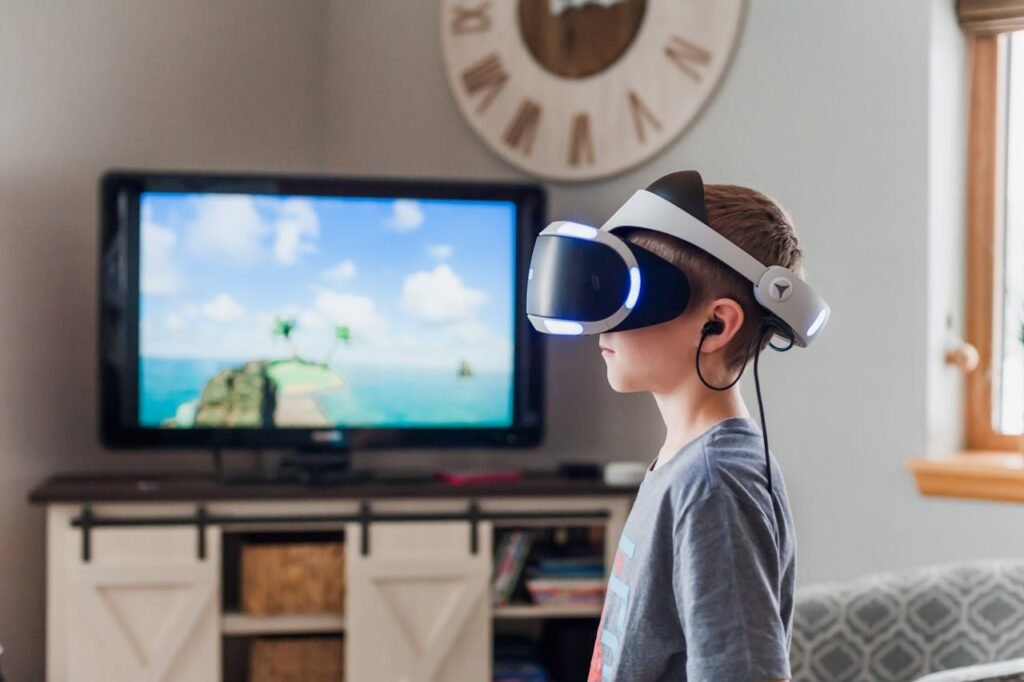
Learning to use a prosthetic limb is a journey. It takes time, patience, and practice to build confidence and master movement. But thanks to Augmented Reality (AR) and Virtual Reality (VR), this journey is about to become easier, faster, and more effective. For years, prosthetic users have relied on traditional rehabilitation methods, which often involve […]