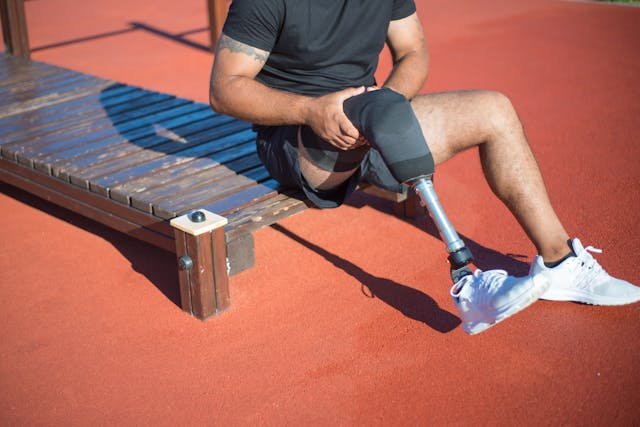
After an amputation, many people think their journey with a prosthetic begins and ends with one permanent limb. But that’s not the case. Before receiving a final prosthesis, most users first go through an important and often overlooked phase—the temporary prosthetic stage. This stage plays a vital role in preparing the body and mind for […]
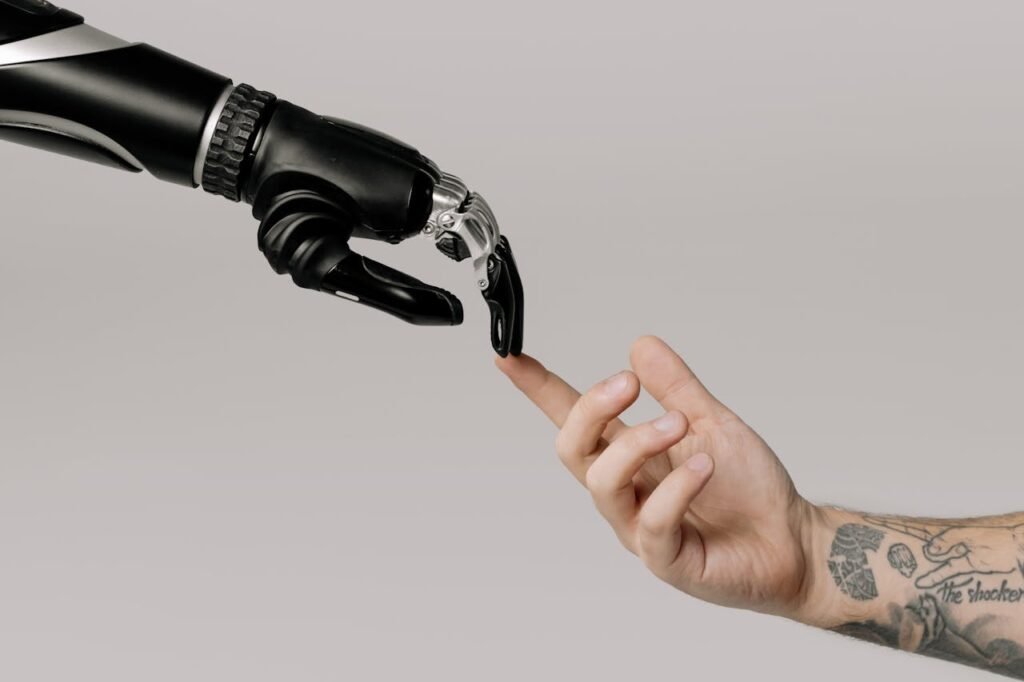
In the early days after an amputation, every step matters. The body is healing, the mind is adjusting, and a person’s entire world is shifting. At this stage, prosthetic care must be gentle, precise, and deeply responsive to each user’s needs. Over the last few years, artificial intelligence (AI) and smart prosthetics have started to […]

The years following amputation are critical for recovery, and post-operative prosthetics play a huge role in that journey. These temporary devices are the first tools that help individuals regain movement, strength, and confidence. Over the last decade, post-operative prosthetics have improved with better materials, design, and clinical care. But what’s coming next? By 2030, we’re […]
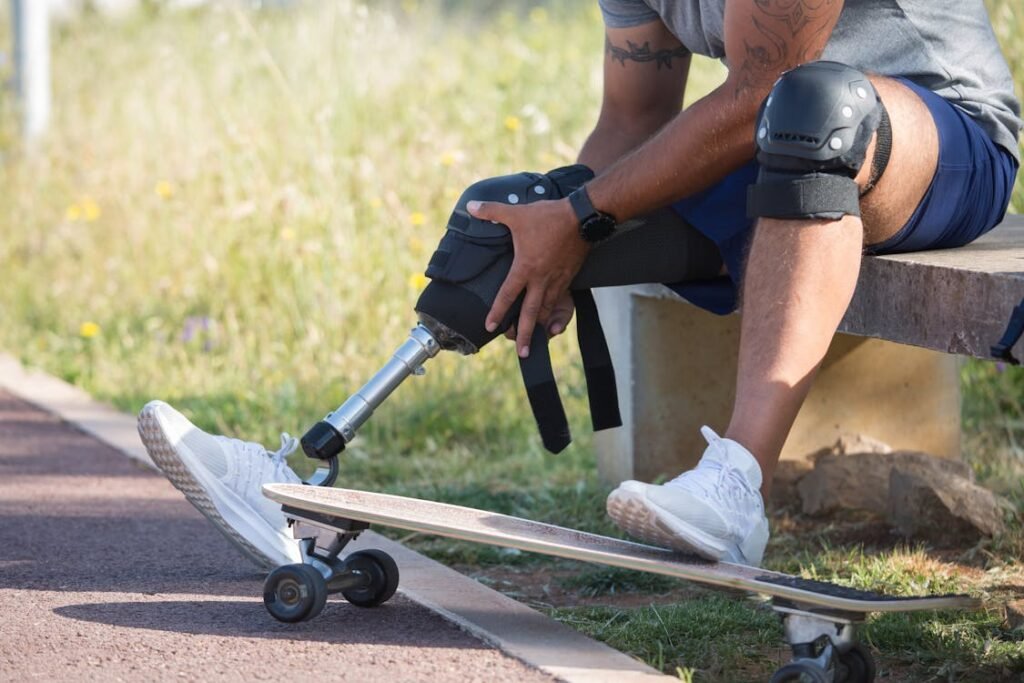
For kids, play is more than just fun—it’s how they learn, grow, and express who they are. Sports, in particular, give children a chance to move freely, make friends, and build confidence. But for children with limb differences, joining in can sometimes feel harder, especially if their prosthetic doesn’t move the way they need it […]

Every child deserves to feel included, understood, and supported—especially in school, where they spend most of their growing years. For children using prosthetic limbs, school can sometimes be a place filled with extra challenges. From daily activities like writing and playing to emotional hurdles like making friends or being seen as “different,” these students need […]