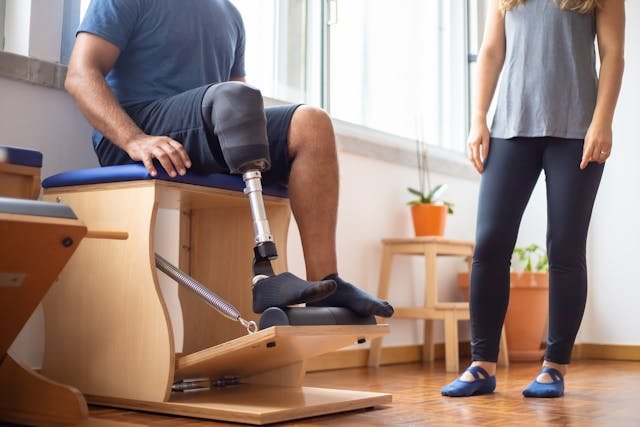
Suspension systems are one of the most important parts of any prosthetic limb. They are responsible for holding the prosthesis firmly in place while allowing it to move naturally with the body. Whether you have a below-knee (transtibial) or above-knee (transfemoral) amputation, the type of suspension system you use plays a big role in your […]

When it comes to using a prosthetic leg, every step matters—literally. One of the most important factors that affects how comfortable, confident, and independent a person feels is how much energy they use while walking. This is what we mean by energy efficiency. The more efficient the prosthetic, the less effort it takes to move, […]

Adapting to a prosthetic limb is a journey that involves much more than just wearing a new device. One of the most important parts of this journey is building the right kind of muscle strength. Whether someone is using a below-knee (transtibial) or above-knee (transfemoral) prosthetic, the strength of the muscles around the limb, as […]

For anyone living with an above-knee amputation, the prosthetic knee joint is the heart of the prosthesis. It does far more than simply replace a lost part of the leg—it plays a major role in how a person moves, balances, and feels in everyday life. Choosing the right prosthetic knee joint is one of the […]
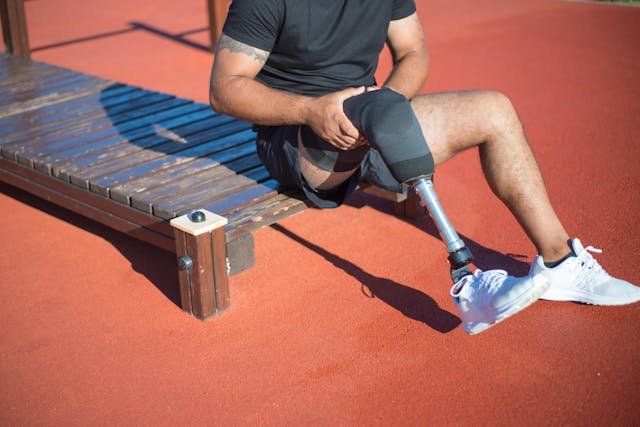
A trans-radial prosthetic is more than just a device—it becomes part of your daily life, your independence, and your confidence. Whether you use it for basic tasks or more advanced movements, how well you take care of your prosthetic will directly affect how well it performs over time. Regular care and maintenance are key to […]