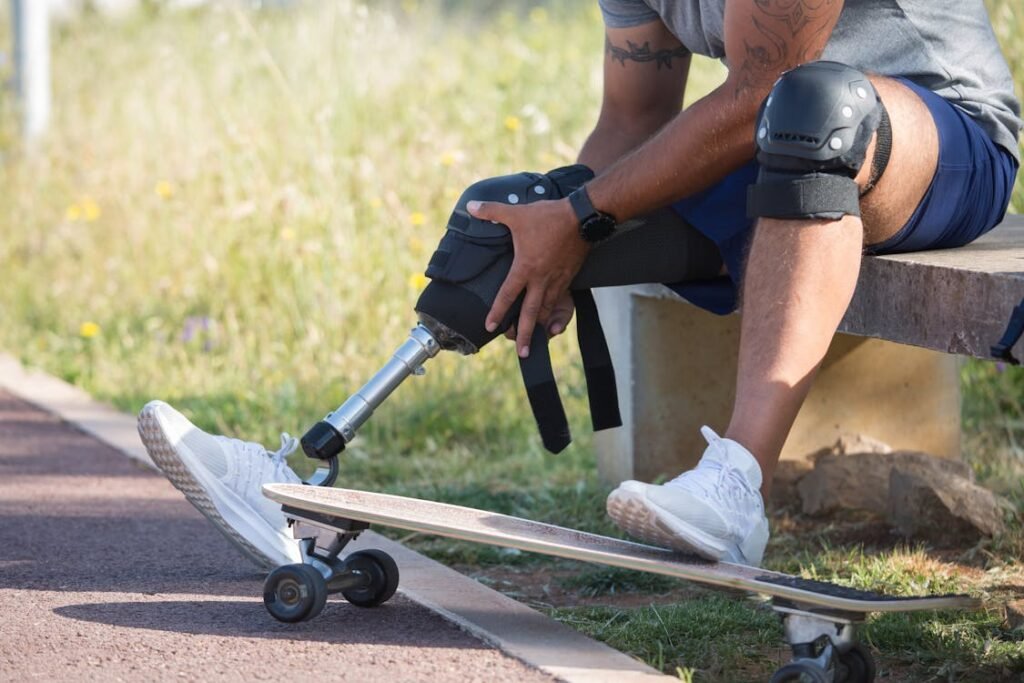
Mobility is more than just moving from one place to another. It’s about how you move, how smooth it feels, how much energy it takes, and how confident you are in every step. For people using lower limb prosthetics, the type of foot you choose plays a huge role in how your body moves and […]

Living with an amputation means adapting to a new way of moving, standing, and even sitting. It’s not just about the missing limb—it’s about how your whole body adjusts to that change. For many amputees, one of the biggest challenges that comes after the surgery isn’t always the prosthetic fitting or walking again. It’s the […]
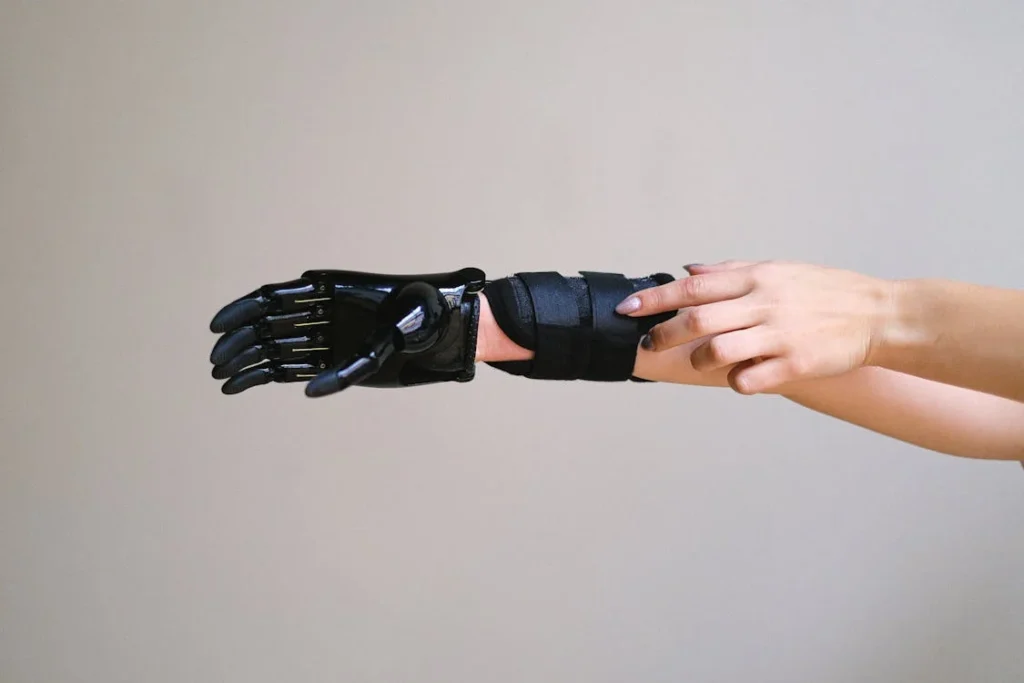
Think about how often you use your hands without even noticing. Turning a doorknob. Holding a cup. Typing a message. Flipping a page. It’s not just about grasping things—it’s how we connect with the world. That’s why the ability to grip matters so much in upper-limb prosthetics. It’s not only about strength. It’s about control, […]

When we watch someone walk, we often notice how smooth or natural their steps look. For people using prosthetics, this simple movement can be the hardest thing to achieve. It’s not just about being able to walk. It’s about walking in a way that feels—and looks—natural. That’s where multi-axial joints come in. Multi-axial joints are […]

Every step we take sends a little jolt through our legs. For someone using a lower-limb prosthetic, that jolt feels different — sometimes sharper, sometimes heavier, and often more tiring. It’s not just about walking or standing. It’s about comfort, balance, and long-term health. That’s where shock absorption comes in. Shock absorption in prosthetics isn’t […]