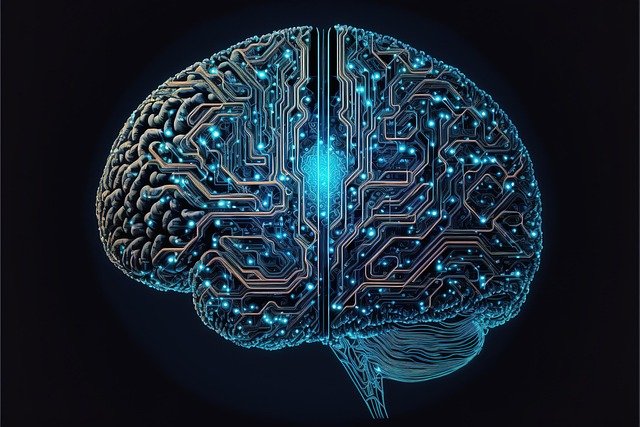
Imagine trying to use a prosthetic hand that doesn’t quite understand you. You think about closing your fist, but the response is slow, clumsy, or just not what you intended. This is the challenge many prosthetic users face today. Now imagine a prosthetic that doesn’t just follow commands, but actually learns from you. A hand […]

When someone loses a limb and gets a prosthetic, most people think the goal is to move again. And while that’s true, it’s only part of the story. What really matters—what truly changes lives—is control. Not just the ability to move a bionic hand, but to feel in charge of it. To trust it. To […]
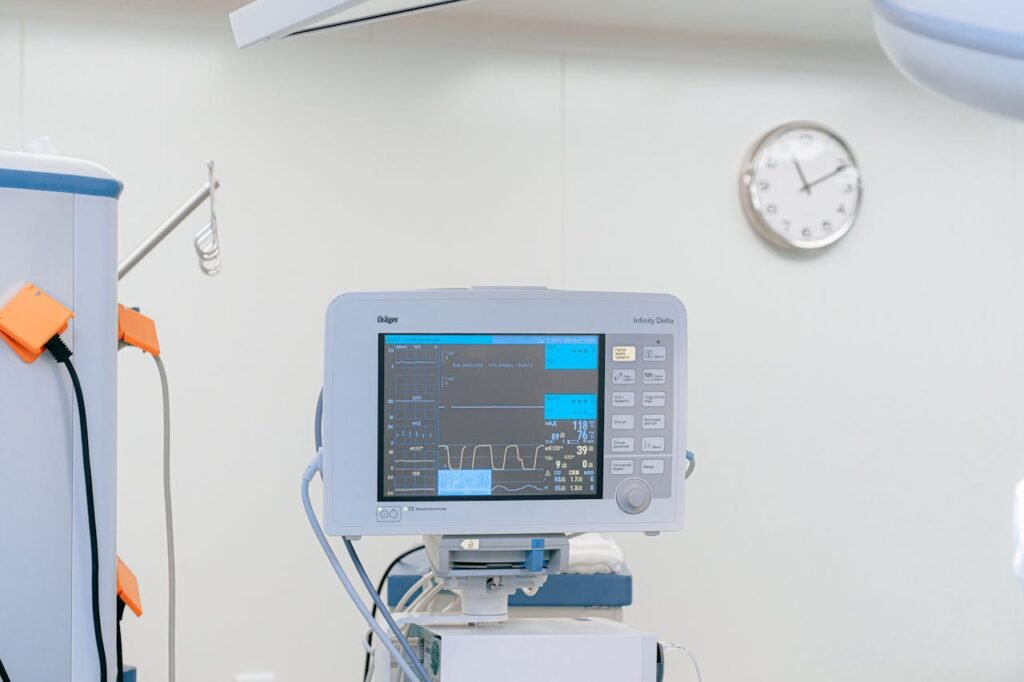
Modern bionic limbs are no longer just machines. They are smart, intuitive, and deeply connected to the human body. But to make them move in a natural and responsive way, they need to understand what the body is trying to say. This starts with reading the right signals. Those signals can come from the brain, […]
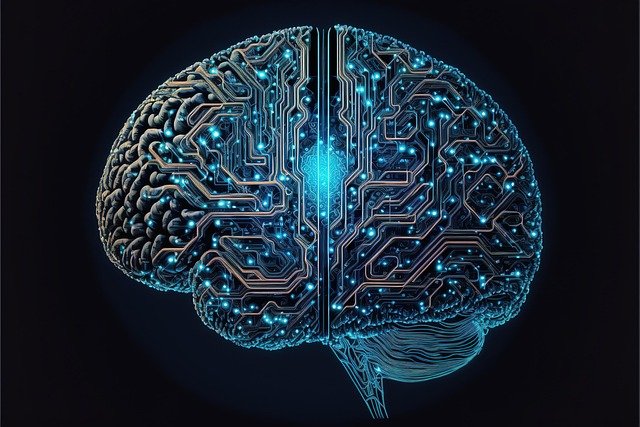
When someone loses a hand and receives a bionic one, the journey doesn’t end with surgery or fitting. It begins with something deeper—learning. The brain must now figure out how to control this new hand. How to move it. How to trust it. How to make it feel like part of the body again. This […]
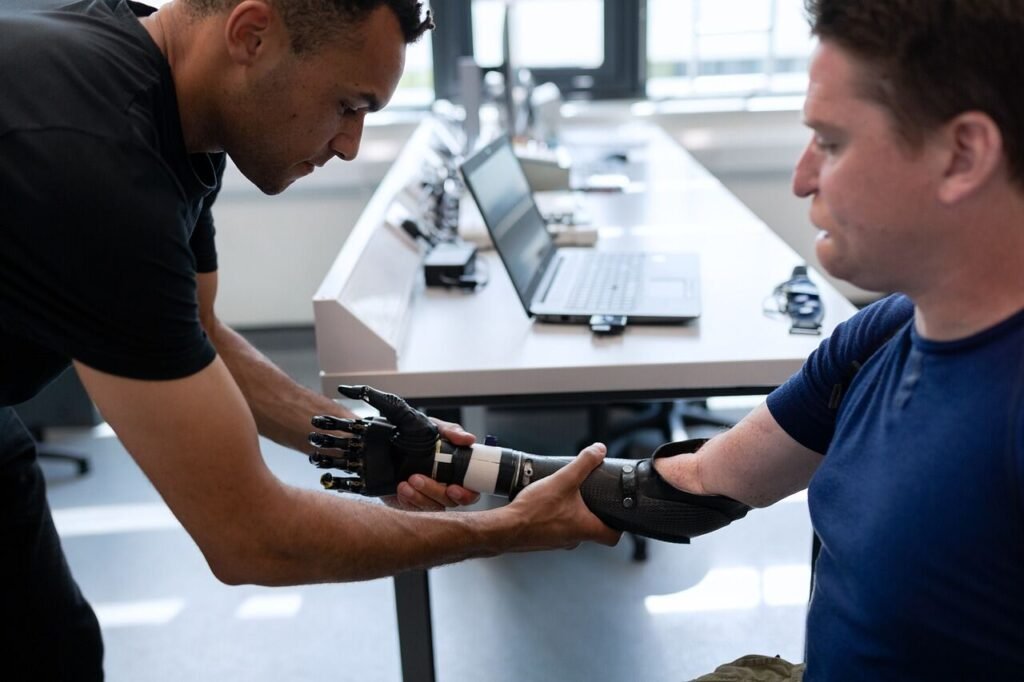
When someone loses a hand or a limb, it’s not just movement they lose. They also lose the ability to feel—how soft something is, how hard they’re gripping, or if they’re even holding anything at all. This sense of touch, called somatosensory feedback, is something most people take for granted. But for someone using a […]