Fitting a prosthetic isn’t what it used to be. In the past, most prosthetic fittings focused on making sure the device stayed on, didn’t hurt, and moved when the user told it to. That’s still important—but with today’s smart prosthetics, there’s a new layer to think about. Now, the prosthetic is not just responding. It’s […]

Explaining bionics to patients can feel overwhelming—especially when they’re already adjusting to big changes in their body, routine, and emotions. They may be nervous. They may be hopeful. But most of all, they’re trying to understand: Will this help me feel normal again? As a clinician, your words matter. What you say can shape how […]
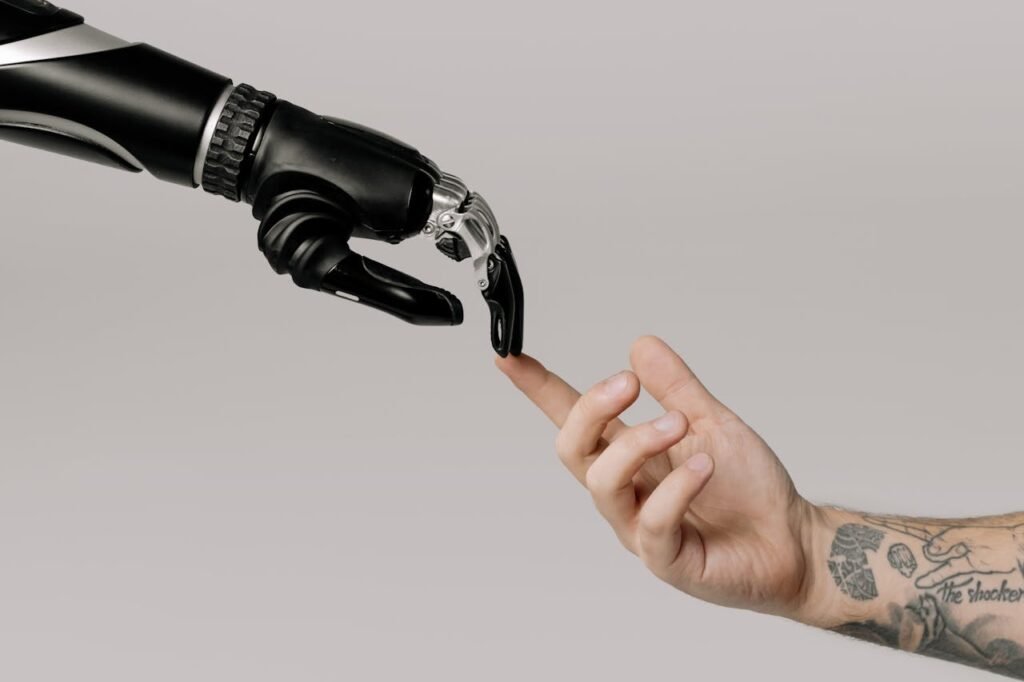
Fitting a bionic arm isn’t just about size, weight, or grip strength. What really determines long-term success is how well the arm adapts to the user—and how well the user’s brain learns to control it. This is where adaptive control becomes essential. Adaptive control is the system that lets a bionic hand respond to the […]
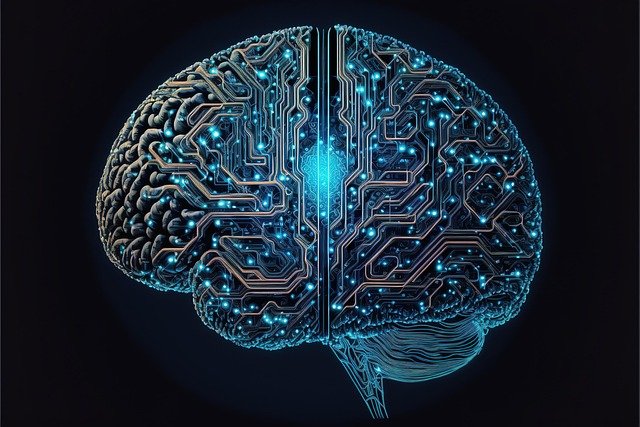
Every time a person learns to control a bionic limb, their brain is doing something remarkable. It’s not just moving muscles or responding to wires. It’s rewiring itself. This change is what we call neuroplasticity—the brain’s ability to adapt and build new connections after an injury or major life change. But neuroplasticity doesn’t happen the […]

Getting a prosthetic fitted is a major step, but it doesn’t always mean a patient will use it for life. Many stop using their devices because they feel unnatural, uncomfortable, or hard to control. The issue often isn’t the prosthetic—it’s how the brain interacts with it. This is where neuroplasticity comes in. The brain has […]