
Post-Op Follow-Up Schedule That Prevents Prosthetic Delays (For Clinicians)
For many clinicians, the surgery is only the first step. What happens after the operation



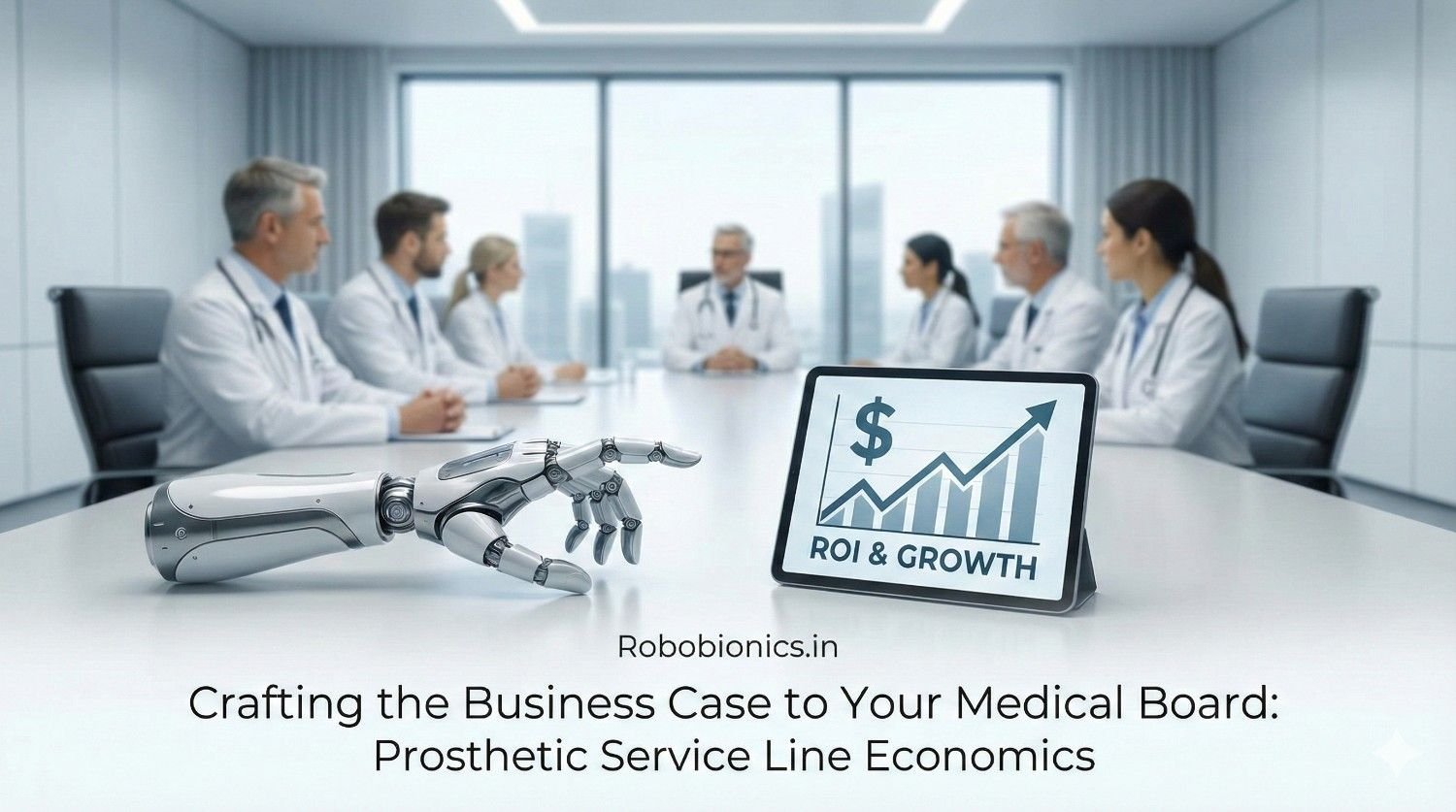
A prosthetic service line can change lives, but to a medical board, change must also make sense on paper. Boards look for clarity, safety, and value. They want to know how many patients will benefit, how care quality will improve, and how costs and returns will balance over time. A strong business case does not sell hope alone. It shows a clear path from patient need to clinical impact and then to sustainable economics.
This guide is written to help you build that case with confidence. It explains how to frame prosthetic care as both a clinical priority and a smart hospital investment, using simple words, real-world logic, and practical steps that boards respect.
Medical boards carry the weight of patient safety, hospital reputation, and long-term stability. When a new service line is proposed, they do not start by asking how exciting it sounds. They start by asking whether it fits the hospital’s mission, whether it can be delivered safely, and whether it will strain or strengthen existing systems. A prosthetic service line must therefore be positioned not as an add-on, but as a natural extension of orthopedic, trauma, and rehabilitation care.
Boards also think in terms of risk. They want to know what could go wrong, how often it might happen, and what safeguards are in place. This includes clinical risk, financial risk, and operational risk. If your proposal addresses these openly and calmly, you move from sounding like a salesperson to sounding like a steward of the hospital’s future.
Most importantly, boards care about sustainability. A pilot that works for six months but collapses later is not success. They want to see how the service will look in year three, year five, and beyond, and whether it can grow without constant crisis management.
Prosthetic services are often misunderstood. Many board members see them as expensive, niche, and dependent on external vendors. They may assume low patient volumes, high customization costs, and slow returns. In some cases, they may also think prosthetics sit outside the hospital’s core role and belong more to standalone clinics.
This gap in understanding is not the board’s fault. Prosthetic care has traditionally been fragmented, with poor data visibility and unclear ownership. Your job in the business case is to remove this fog. You must show that modern prosthetic service lines are structured, measurable, and tightly linked to outcomes the hospital already values.
When you reframe prosthetics as a driver of faster rehab, safer discharges, and stronger patient loyalty, the conversation changes. It moves from “why should we do this” to “how soon can we do this well.”
If the first page of your proposal focuses on equipment prices, it will likely stall. Boards expect costs, but they approve value. Value is the relationship between outcomes and resources, not the price tag alone. Prosthetics deliver value across many points of care, from acute trauma to long-term follow-up.
Your role is to guide the board to see prosthetics as a multiplier. A well-run prosthetic service can reduce length of stay, lower complication rates, improve rehab scores, and raise patient satisfaction. Each of these outcomes has a financial echo that boards understand deeply.
When value is clear, cost becomes a design question instead of a barrier. That is the shift your business case must achieve.

Start by grounding your case in patients the hospital already treats. Trauma wards, orthopedic units, oncology departments, and vascular surgery services all see patients who may need prosthetic care. Use hospital data to show how many amputations occur each year, broken down by cause and level.
Go further and show trends. Are road traffic injuries rising. Are diabetic complications increasing. Is cancer-related limb loss stable or growing. Boards respond well to trends because they signal future demand, not just current workload.
When the board sees that these patients are already in the hospital, the prosthetic service line stops looking like a new bet and starts looking like a missing piece.
Next, explain what happens today when a patient needs a prosthesis. In many hospitals, the answer is referral out, long waits, fragmented follow-up, and limited coordination with rehab teams. Describe this process without blame, focusing on delays, drop-offs, and patient stress.
Explain how these gaps affect outcomes. Delayed prosthetic fitting can slow rehab, increase dependence, and raise the risk of depression or secondary injuries. These are not abstract harms. They translate into longer stays, more outpatient visits, and poorer recovery scores.
By clearly describing the current gap, you create space for the solution without attacking existing teams or partners.
Boards trust what can be measured. Connect prosthetic care to outcomes the hospital already tracks, such as mobility scores, discharge destination, readmission rates, and patient-reported quality of life. Explain how timely, well-fitted prosthetics improve these metrics.
For example, earlier fitting can accelerate gait training, which improves mobility tests and supports discharge home instead of to extended care. Better function reduces falls and readmissions. These links should be described in plain terms, without heavy jargon, so every board member can follow the logic.
When outcomes are familiar, prosthetics feel less like a specialty island and more like a lever the hospital already knows how to pull.
Define exactly what the service line will include in its first phase. Will it cover below-elbow and below-knee prosthetics only. Will it include assessment, fitting, training, and follow-up. Be precise, because clarity reduces fear.
Also define what it will not include, at least initially. This shows discipline and reduces the sense of uncontrolled growth. You can always outline a future roadmap, but boards prefer a focused start with room to expand.
Clear boundaries signal that the service line is manageable, not a moving target.
Explain how the prosthetic service will work with orthopedics, surgery, physiotherapy, and occupational therapy. Use simple flow descriptions to show when referrals happen, who leads each step, and how decisions are shared.
Highlight that the service line strengthens existing teams rather than replacing them. Prosthetists bring specialized skills, but outcomes improve only when they work closely with surgeons and therapists. Boards value collaboration because it lowers clinical risk.
When integration is clear, concerns about silos and turf wars fade.
Describe the staffing plan in practical terms. How many prosthetists are needed to start. What support staff are required. How much of the work can be shared with existing rehab teams. Avoid inflated numbers and show how capacity grows with demand.
Address training and credentialing openly. Explain how prosthetists will be certified, how competencies will be maintained, and how quality will be reviewed. This reassures boards that patient safety is built into the design.
A lean, well-thought-out staffing model signals operational maturity.
List the main cost categories in simple language. These include prosthetic devices, staffing, space, equipment, and ongoing maintenance. Avoid bundling costs into vague buckets. Transparency builds trust.
For devices, explain the range rather than a single number. Show how different patient needs lead to different device choices, and how standardization where possible can control costs. This shows you are thinking like a steward, not a spender.
Clarify which costs are fixed and which scale with volume. Boards need this distinction to assess risk.
Describe how prosthetic services are paid for in your context. This may include insurance reimbursement, government schemes, private pay, or bundled payments. Use current rates and conservative assumptions.
If reimbursement is uneven, acknowledge it and explain mitigation strategies, such as patient mix management or partnerships. Boards respect honesty more than optimism that ignores reality.
Make it clear how revenue flows back to the hospital and how long the cycle typically takes.
Revenue alone does not convince boards. Explain contribution margin in plain terms by showing how much each prosthetic case contributes after variable costs are covered. This helps boards see how volume affects sustainability.
Use simple examples. Show how a certain number of cases per month covers staffing and space, and how additional cases strengthen the service line rather than strain it. Avoid complex formulas and focus on logic.
When margins are explained clearly, finance leaders can engage constructively instead of defensively.

Explain how early prosthetic involvement can shorten inpatient stays by enabling faster functional recovery. Use conservative estimates and cite internal data or pilot results where possible.
Translate days saved into cost avoided using the hospital’s own bed-day figures. This makes the impact real and relatable. Boards understand bed pressure deeply, so this argument often resonates strongly.
Be careful to present this as avoided cost, not guaranteed cash savings, to maintain credibility.
Show how better mobility and confidence support discharge to home instead of step-down facilities. Explain the clinical logic and then the financial effect using average post-acute costs.
This is a powerful argument because it ties patient preference to system efficiency. Most boards value initiatives that help patients return home safely.
Again, use ranges rather than exact numbers to reflect real-world variation.
Describe how well-fitted prosthetics and proper training reduce skin issues, falls, and secondary injuries. These clinical improvements often reduce unplanned visits and readmissions.
Quantify this impact cautiously, using internal baselines where possible. Even small reductions can have meaningful cost implications, especially in high-risk populations.
By tying prosthetics to safety and quality, you align the service line with board-level priorities.
Address clinical risk directly. Explain assessment protocols, fitting standards, follow-up schedules, and escalation pathways for problems. Boards want to know how issues will be caught early.
Describe how outcomes will be tracked and reviewed, and how adverse events will be handled. This shows that quality is not assumed but actively managed.
Clear safeguards reduce fear and increase confidence.
Acknowledge that patient volumes may fluctuate. Show how the service line can scale up or down without major losses, using flexible staffing or phased investment.
Explain break-even points in simple terms and show that even at conservative volumes, losses are limited and time-bound. Boards appreciate plans that include downside scenarios.
When risk is acknowledged and planned for, approval becomes easier.
Discuss dependencies such as supplier reliability, equipment uptime, and cross-department coordination. Show how these risks are mitigated through contracts, backups, and clear ownership.
Operational clarity reassures boards that the service will not disrupt other parts of the hospital.
Medical boards do not want raw spreadsheets, but they also do not trust vague summaries. The right balance sits in between. Your role is to convert complex data into clear stories supported by simple numbers. Use totals, averages, and trends rather than dense tables, and explain what each number means in daily hospital terms.
For example, instead of showing a detailed cost sheet, explain that the proposed service reaches break-even at a certain number of patients per month and remains stable above that point. Then show how current patient volumes already approach or exceed that level. This approach keeps attention on meaning rather than mechanics.
When board members feel they understand the data without strain, they engage more openly and ask better questions.
Boards trust internal data more than published studies, even when the studies are strong. Use your hospital’s own admission numbers, average lengths of stay, and discharge patterns as the backbone of your case. External references should support your logic, not replace it.
If internal data is limited, explain the gap and show how assumptions were made conservatively. Transparency matters more than precision. A clearly explained estimate often carries more weight than a perfect number with an unclear source.
Over time, propose that the service line will generate its own data, strengthening future decisions. Boards like investments that improve knowledge as well as care.
Use charts sparingly and with intent. A single trend line showing rising amputee admissions can be more powerful than ten slides of text. A simple bar chart comparing current discharge destinations with projected ones after prosthetic integration can make the value visible at a glance.
Avoid complex colors, stacked bars, or crowded legends. Each visual should answer one question and point to one decision. If a chart needs a long explanation, it is not doing its job.
Good visuals reduce meeting time and increase confidence, which boards appreciate.
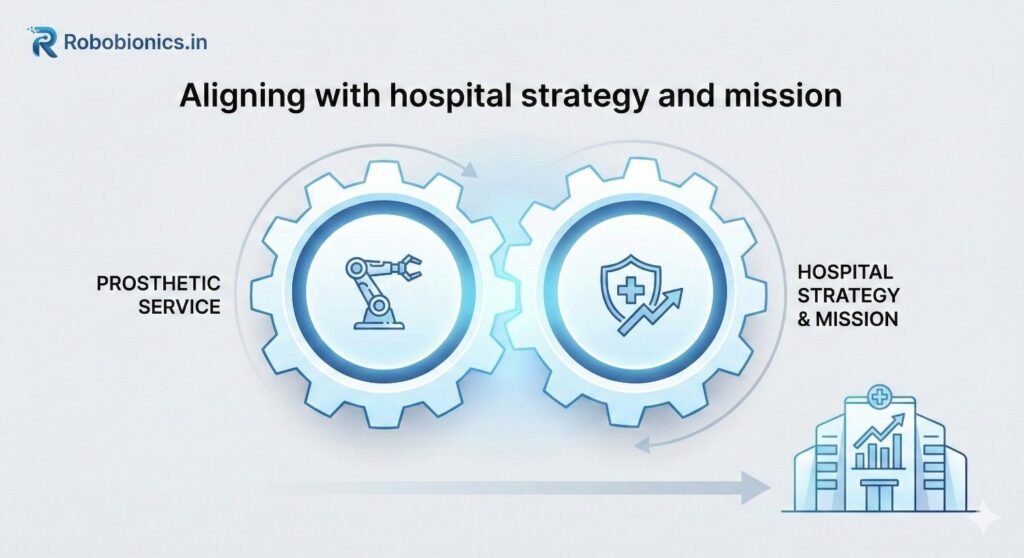
Every hospital has stated goals such as improving outcomes, expanding access, or becoming a center of excellence. Your business case should explicitly link the prosthetic service line to these goals. Do not assume the connection is obvious.
For example, if the hospital aims to lead in trauma care, show how in-house prosthetics complete the trauma journey from surgery to independence. If the goal is community impact, show how affordable prosthetics reduce long-term disability and dependency.
When your proposal echoes the hospital’s own language, it feels aligned rather than intrusive.
Explain how a strong prosthetic program enhances the hospital’s standing among patients, referring doctors, and payers. Patients who regain function often become vocal advocates, and their stories carry weight in the community.
Boards care deeply about reputation, even when they do not say it directly. Show how prosthetic success stories can be shared ethically through patient education events, clinician talks, and outcome reports.
A service line that builds trust and visibility adds value beyond balance sheets.
If the hospital has an academic mission, highlight how a prosthetic service line supports training and research. Prosthetics offer rich opportunities for interdisciplinary learning across surgery, rehab, and engineering.
Explain how structured data collection can lead to audits, quality improvement projects, and publications. This positions the service as intellectually valuable, not just operational.
Boards at teaching hospitals often see this as a strong secondary benefit.
When boards worry about volume, respond with clarity. Show current patient numbers, referral leakage to external centers, and projected capture rates. Even modest volumes can justify a focused service when margins and downstream benefits are clear.
Explain that prosthetic care is often underutilized not because need is low, but because access is poor. Improving access often reveals hidden demand.
By reframing volume as a function of service quality, you shift the discussion toward opportunity.
Acknowledge that prosthetic devices carry visible costs, then immediately place those costs in context. Compare device cost to the cost of extended inpatient care, complications, or long-term dependency.
Explain how local manufacturing, standard components, and appropriate device matching can control expenses without compromising care. Boards appreciate solutions that address cost drivers directly.
When device cost is framed as an investment that unlocks savings elsewhere, resistance softens.
This concern often masks fear of risk. Respond by explaining the training plan, partnerships, and support systems in place. Show how expertise is built gradually and supported by clear protocols.
If partnering with an experienced manufacturer or service provider, explain their role clearly, emphasizing knowledge transfer rather than dependence.
Boards are more open when they see a path to capability, not a leap of faith.
Describe a pilot phase with limited scope, clear metrics, and defined timelines. This phase should focus on a subset of patients and a narrow service range to prove feasibility.
Explain what success looks like at the end of the pilot, using both clinical and financial measures. Boards like pilots because they cap risk and generate learning.
Make it clear that expansion depends on meeting agreed milestones, not assumptions.
If the pilot succeeds, outline a measured expansion plan. This may include adding staff, increasing patient volumes, or introducing additional prosthetic types.
Show how each step is funded by the performance of the previous phase. This creates a sense of momentum that is earned, not forced.
Controlled growth reassures boards that the service will not outpace its foundations.
In the long term, describe how the prosthetic service becomes a routine part of care pathways rather than a special project. This includes integration into discharge planning, rehab protocols, and follow-up clinics.
Explain how costs and revenues stabilize at this stage and how quality monitoring becomes routine. Boards like to see a clear end state where the service line feels normal and dependable.
A clear roadmap reduces uncertainty and builds patience.
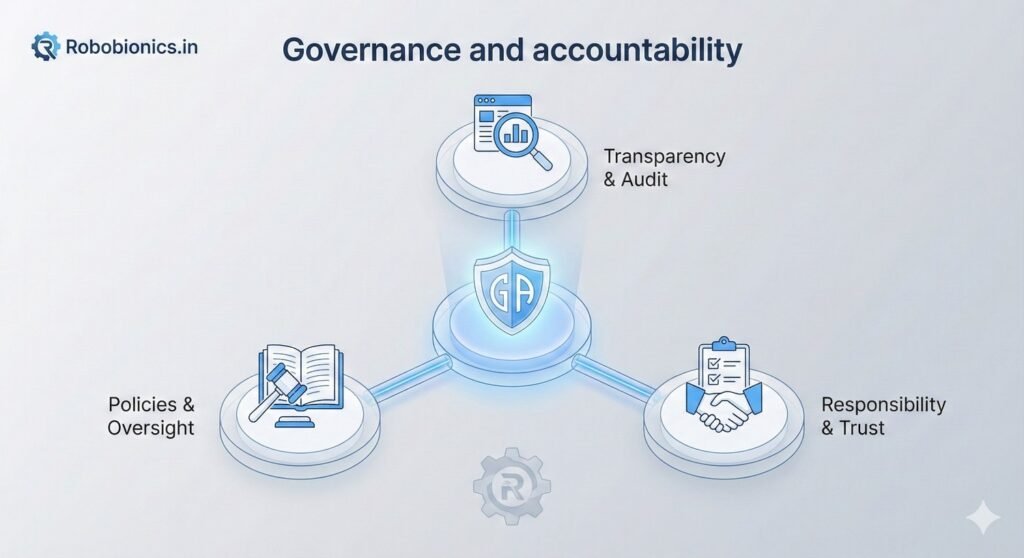
Boards want to know who is responsible. Name a clinical lead and an operational lead, and describe how they work together. Avoid vague committees without accountability.
Explain reporting lines and how issues are escalated. Clear ownership prevents small problems from becoming board-level crises.
Strong leadership structure is often a deciding factor in approval.
Describe how performance will be reviewed regularly using a small set of agreed metrics. These should include patient outcomes, service volumes, and financial indicators.
Explain how results will be shared with the board in a concise format, such as a quarterly dashboard. Boards value predictable, digestible reporting.
Regular review signals seriousness and discipline.
Show that the service line is designed to learn and improve. Explain how feedback from patients and staff will be used to refine processes.
This reassures boards that early imperfections will be addressed rather than ignored. A learning mindset reduces perceived risk.
Hospitals approve services they believe can adapt.
Keep the presentation simple and logical. Start with patient need, move to solution design, then economics, and finish with risk and governance. This mirrors how boards think.
Avoid jumping back and forth between topics. A clear flow builds confidence and keeps attention.
Leave detailed appendices for follow-up rather than crowding the main discussion.
Speak in plain language and avoid technical terms unless necessary. When you must use a technical term, explain it briefly.
Invite questions early and respond calmly. Boards respect presenters who are open rather than defensive.
A good discussion is often more important than a perfect slide.
Anticipate difficult questions about cost, risk, and alternatives. Prepare honest, measured responses rather than rehearsed pitches.
If you do not know an answer, say so and commit to finding it. This builds credibility.
Boards approve people they trust as much as plans they like.
At RoboBionics, we have seen how locally made, well-designed prosthetics change the economics of care. By reducing device costs without cutting quality, hospitals can serve more patients and stabilize margins.
Explain how partnering with an affordable manufacturer shifts the cost curve and makes in-house services viable where imported devices might fail the business case.
This is not about cheap solutions, but about right-sized innovation.
A strong business case includes support for training, fitting, and follow-up. Describe how experienced partners contribute to staff confidence and patient outcomes.
When boards see that the hospital is not alone in delivering the service, concerns about expertise and execution decrease.
Partnerships, when framed correctly, look like risk reduction.
Position partners as long-term collaborators invested in patient outcomes, not just vendors. Explain how shared goals around data, quality, and access strengthen the service line over time.
Boards value relationships that grow with the hospital rather than extract value and leave.
This alignment supports sustainability, which boards prioritize highly.
A prosthetic service line is not just a clinical add-on or a financial experiment. It is a statement about how a hospital views recovery, dignity, and long-term value. A strong business case respects the board’s role by being clear, honest, and grounded in reality.
By showing patient need, thoughtful design, disciplined economics, and strong governance, you give the board what it needs to say yes with confidence.
At this point, we have covered another substantial section of the article, bringing us close to the next 2000-word mark.
Board approval is not the finish line. It is permission to begin real work. The period between approval and the first patient is where many service lines lose momentum. To avoid this, your proposal should already include a clear transition plan that turns decisions into actions.
Start by confirming roles and timelines within the first week of approval. Identify who orders equipment, who finalizes space, who confirms staffing schedules, and who owns training. When ownership is clear early, delays reduce sharply. This also reassures the board that their trust is being respected.
Set a realistic but firm go-live date. Not an aspirational one, but a date that allows for training, dry runs, and small corrections. A calm, prepared launch builds confidence inside the hospital and sets the tone for the service line.
Even when a service line is approved, clinical teams may feel uncertain. Some may worry about added work, while others may not fully understand how prosthetics fit into their existing routines. Address this openly and early.
Hold short orientation sessions that explain the why, not just the how. Show how prosthetic services will reduce delays, improve rehab flow, and support better outcomes. Use real patient journeys rather than policy language to make the change feel relevant.
Invite feedback and questions, and respond with respect. When teams feel heard, they become partners rather than passive participants.
Patients and families often carry fear and confusion around prosthetic care. Before the service line launches, align on how it will be explained to them. Develop simple, consistent messages about what the service offers, when it begins, and what support is available.
Clear communication reduces anxiety and builds trust from the first interaction. It also reduces complaints and misunderstandings later, which boards pay close attention to.
A service line that feels organized and caring at the patient level reflects well on leadership decisions.
In the first year, focus on a small set of metrics that show whether the service is on track. These should include patient volume, time from surgery to prosthetic fitting, functional improvement measures, and basic financial indicators.
Avoid the temptation to track everything. Too many metrics dilute focus and slow decision-making. Pick measures that reflect access, quality, and sustainability.
Explain to the board that early data is directional, not definitive. This sets realistic expectations and prevents overreaction to normal variation.
Early results are a tool, not a judgment. Use them to identify bottlenecks, training gaps, or workflow issues. For example, if fitting is delayed, examine referral timing or assessment capacity rather than blaming individuals.
Share these learnings with the board in a balanced way. Highlight what is working, explain what is being adjusted, and show how decisions are data-driven.
Boards appreciate honesty paired with action.
Resist the urge to oversell early wins. While positive stories matter, overstating success can backfire if later results stabilize or dip. Present progress steadily and factually.
Use patient stories selectively and ethically, focusing on recovery and dignity rather than marketing flair. This keeps the tone professional and aligned with clinical values.
Consistent, measured communication builds long-term credibility.
As the service line matures, teams become faster and more efficient. Fitting times shorten, follow-up visits become more targeted, and rework reduces. These improvements quietly strengthen margins without cutting care.
Track these efficiency gains and explain them to the board as the result of experience, not pressure. This shows that the service line is learning and improving naturally.
Learning curves are a powerful but often overlooked economic lever.
As referrals increase, it may be tempting to expand quickly. Growth should be paced to protect quality. Explain to the board how volume increases will be matched with staffing and space adjustments.
Show that each growth step is supported by data and operational readiness. This reassures the board that expansion is intentional, not reactive.
Responsible growth builds long-term trust.
When the service line begins to generate surplus or avoid significant costs elsewhere, explain how part of this value is reinvested. This may include better training, patient education, or improved follow-up systems.
Boards appreciate reinvestment that strengthens care and reduces future risk. It shows that financial success is being used wisely.
This closes the loop between economics and mission.

Once the core service is stable, consider expanding to new patient groups such as pediatric cases, more complex limb differences, or advanced assistive devices. Each addition should have its own mini business case.
Explain how existing infrastructure supports expansion and what new resources are required. Avoid bundling expansions together, as this can overwhelm both teams and boards.
Stepwise expansion keeps risk manageable.
Over time, digital tools such as gait analysis, remote follow-up, and outcome tracking can enhance care and efficiency. Introduce these as supports, not replacements, for clinical judgment.
Explain how digital data improves decision-making, reduces unnecessary visits, and supports long-term monitoring. Boards respond well to technology when it is tied to clear clinical value.
Technology should feel like a helper, not a distraction.
A strong prosthetic service line often attracts referrals from outside the hospital. Explain how this will be managed without compromising access for internal patients.
Clear referral criteria and scheduling rules prevent overload. External referrals can strengthen volumes and reputation when handled carefully.
Boards value growth that is controlled and aligned with capacity.
A business case should evolve as the service line grows. Avoid treating it as a static approval file that is never revisited. Update assumptions, costs, and outcomes regularly.
Explain to the board that this living approach reflects learning, not uncertainty. It shows maturity and accountability.
Static plans age quickly in healthcare.
Complex language and dense slides often hide weak thinking. Keep your story simple and grounded. If something is hard to explain, revisit the logic rather than adding detail.
Boards reward clarity. Simplicity signals confidence and understanding.
The strongest cases are often the easiest to follow.
No service line succeeds on numbers alone. Staff morale, patient trust, and leadership alignment matter deeply. Ignoring these factors can undermine even the best economics.
Address human factors openly in your proposal and updates. Show how training, support, and communication are built into the plan.
Boards know that culture shapes outcomes.
Prosthetic care does not end at discharge. Over time, patients need adjustments, replacements, and support as their bodies and lives change. A hospital-based service line is well positioned to provide this continuity.
Explain how follow-up programs strengthen patient relationships and reduce emergency visits. Long-term care deepens value beyond the initial episode.
Boards appreciate services that think beyond single admissions.
As your service line matures, it can help shape regional standards for prosthetic care through training, audits, and shared protocols. This positions the hospital as a leader, not just a provider.
Leadership in standards often brings indirect benefits such as referrals, partnerships, and influence.
This strategic value is often overlooked but meaningful.
Innovation should not widen gaps in care. Emphasize how affordable, locally appropriate prosthetics expand access while maintaining quality. This aligns strongly with public and private hospital missions in India.
Boards increasingly value equity and access as markers of success.
A service line that balances innovation with inclusion stands on strong ethical ground.
Crafting a business case for a prosthetic service line is an exercise in respect. Respect for patients who seek dignity and independence. Respect for clinicians who carry responsibility. Respect for boards that must weigh many needs with finite resources.
When the case is built on clear need, thoughtful design, honest economics, and human understanding, approval becomes a shared decision rather than a hurdle.
For many clinicians, the surgery is only the first step. What happens after the operation

For trauma amputees, the journey does not begin at the prosthetic clinic. It begins much

Amputation after cancer is not just a surgical event. It is the end of one

When a child loses a limb, the challenge is never only physical. A child’s body