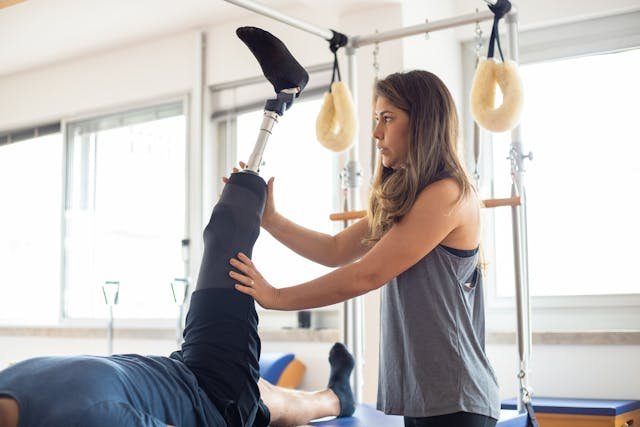
After an amputation, one of the most important steps in recovery is learning how to use a prosthetic. But before someone can walk confidently or carry out daily tasks, the body and mind must first adapt. This is where physical therapy plays a powerful role. It is not just about exercises—it is about preparing the […]
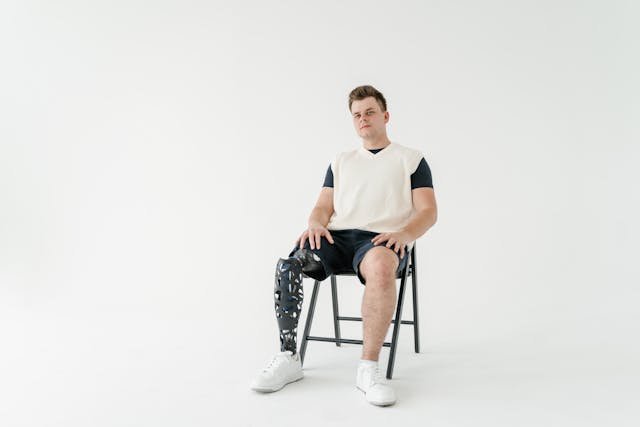
When someone goes through an amputation, the path to healing involves more than just physical recovery. One of the most important steps after surgery is prosthetic fitting. In recent years, more people have chosen immediate prosthetic fitting—starting to use a temporary prosthesis soon after surgery. This method has many benefits. It helps maintain muscle strength, […]
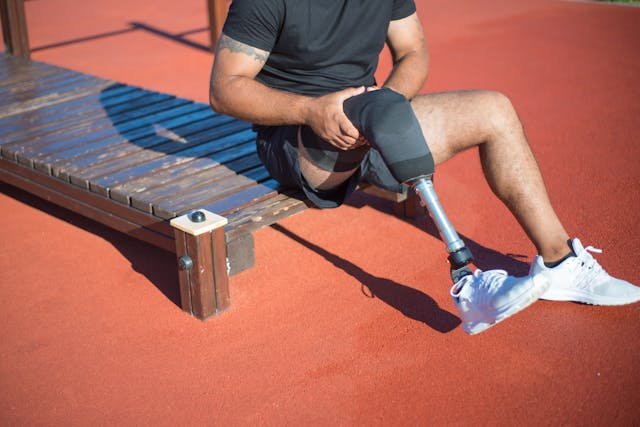
After an amputation, many people think their journey with a prosthetic begins and ends with one permanent limb. But that’s not the case. Before receiving a final prosthesis, most users first go through an important and often overlooked phase—the temporary prosthetic stage. This stage plays a vital role in preparing the body and mind for […]
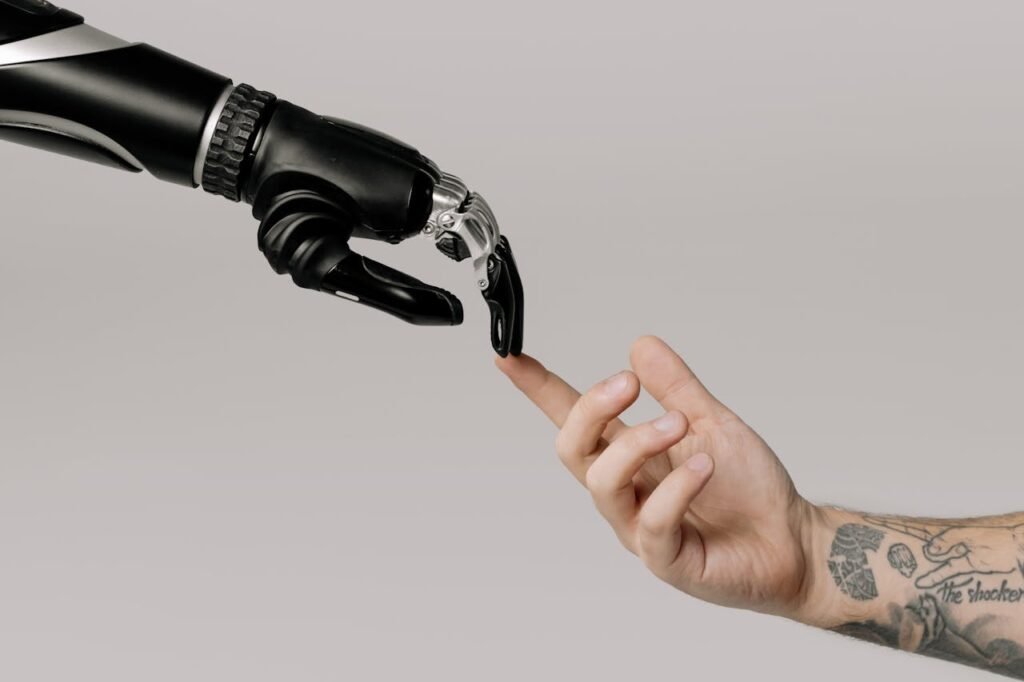
In the early days after an amputation, every step matters. The body is healing, the mind is adjusting, and a person’s entire world is shifting. At this stage, prosthetic care must be gentle, precise, and deeply responsive to each user’s needs. Over the last few years, artificial intelligence (AI) and smart prosthetics have started to […]

The years following amputation are critical for recovery, and post-operative prosthetics play a huge role in that journey. These temporary devices are the first tools that help individuals regain movement, strength, and confidence. Over the last decade, post-operative prosthetics have improved with better materials, design, and clinical care. But what’s coming next? By 2030, we’re […]