
Artificial intelligence (AI) is changing the world of prosthetic limbs. What was once a simple mechanical replacement is now becoming an intelligent, responsive extension of the human body. AI-powered prosthetics are getting smarter, adapting to users’ movements, and even learning from experience. Over the next five years, these advancements will make prosthetics more functional, comfortable, […]

Prosthetic technology is evolving faster than ever. What once seemed like science fiction—robotic limbs that move like real arms, bionic hands with a sense of touch, and mind-controlled prosthetics—is now becoming reality. By 2030, advancements in artificial intelligence, robotics, and biotechnology will transform prosthetic devices, making them more lifelike, functional, and affordable. This article explores […]
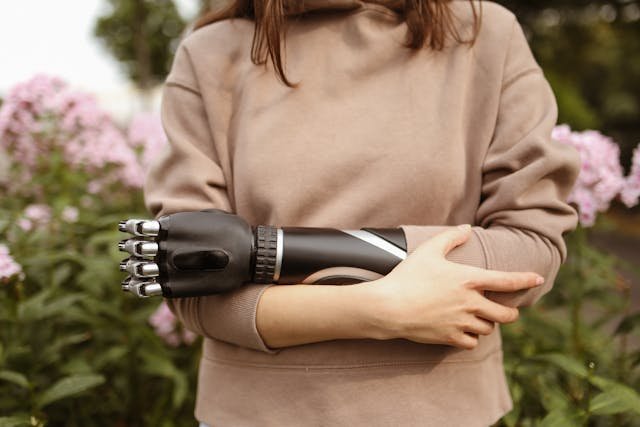
For decades, prosthetic limbs have focused primarily on functionality—helping users regain movement after limb loss. But something crucial has always been missing: the sense of touch. Without sensory feedback, even the most advanced prosthetics still feel mechanical and detached from the body. But that’s changing fast. The next generation of sensory prosthetics is here, offering […]

Prosthetic technology has come a long way, evolving from heavy, mechanical limbs to lightweight, custom-fit, and highly functional artificial limbs. One of the biggest breakthroughs in the field is 3D printing, which has completely changed how prosthetics are designed, manufactured, and distributed. With 3D printing, prosthetic limbs can be created faster, cheaper, and with greater […]
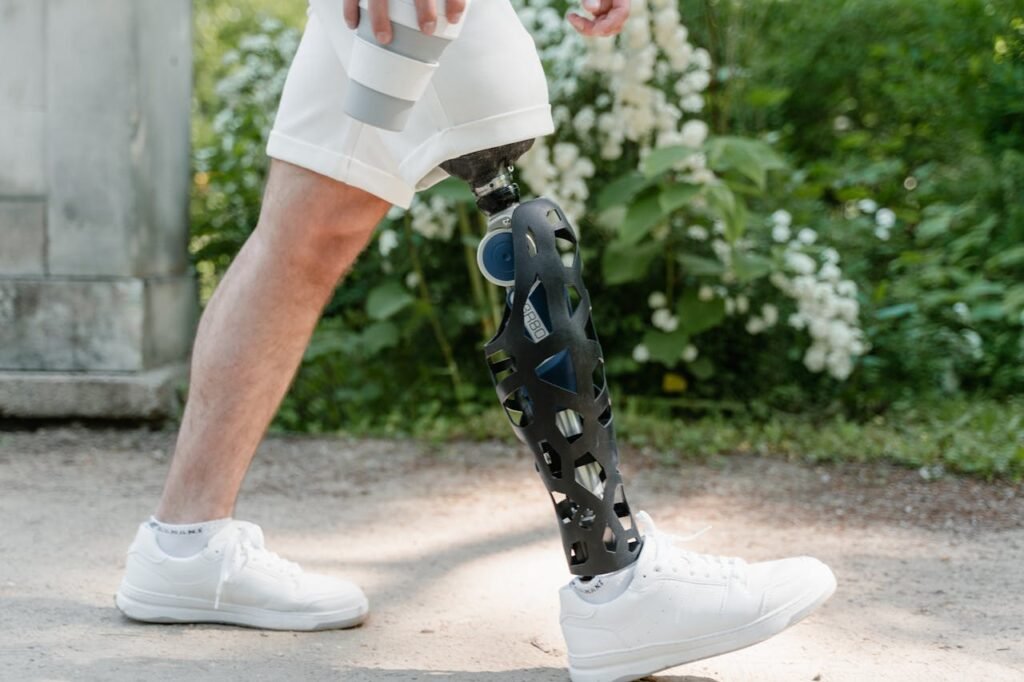
Prosthetic technology has come a long way from being static, mechanical replacements to intelligent, real-time adaptive devices that respond to a user’s unique movement, environment, and daily activities. Smart prosthetics are changing the way people interact with their artificial limbs, making them more comfortable, intuitive, and responsive than ever before. With the integration of AI, […]