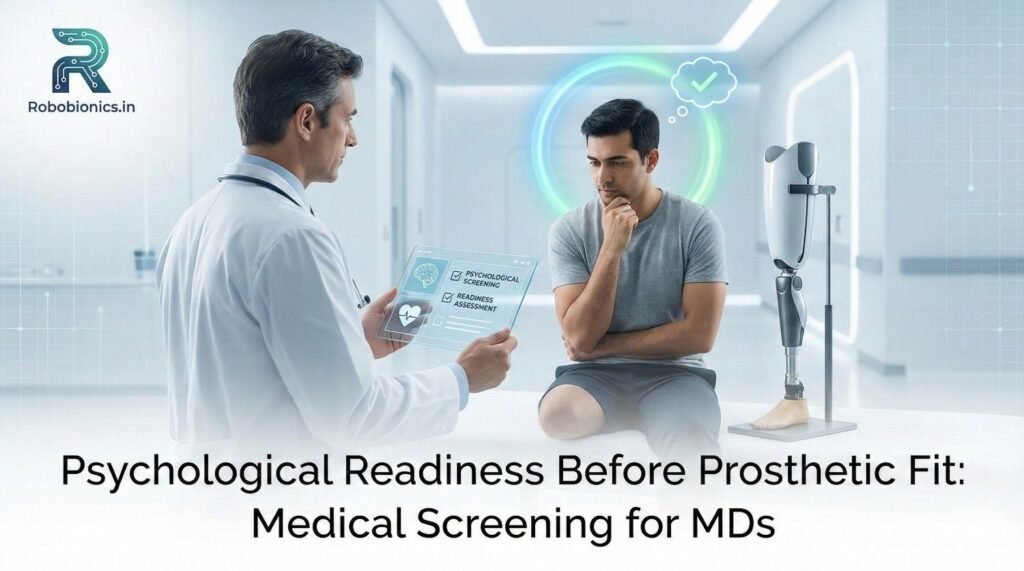
A prosthetic limb can restore movement, but it cannot replace emotional readiness. Many patients heal well on the outside yet struggle on the inside. Fear, grief, anxiety, and low confidence often surface just before prosthetic fitting, and when these issues are missed, even a well-made prosthesis can fail. Discomfort increases, training slows, and some patients […]

Before a prosthetic is fitted, the body must be stable enough to accept new physical demands. Healing of the limb is only one part of readiness. The heart must tolerate higher energy use. The kidneys must handle metabolic stress and medications. The nervous system must support balance, control, and learning. When these systems are ignored, […]
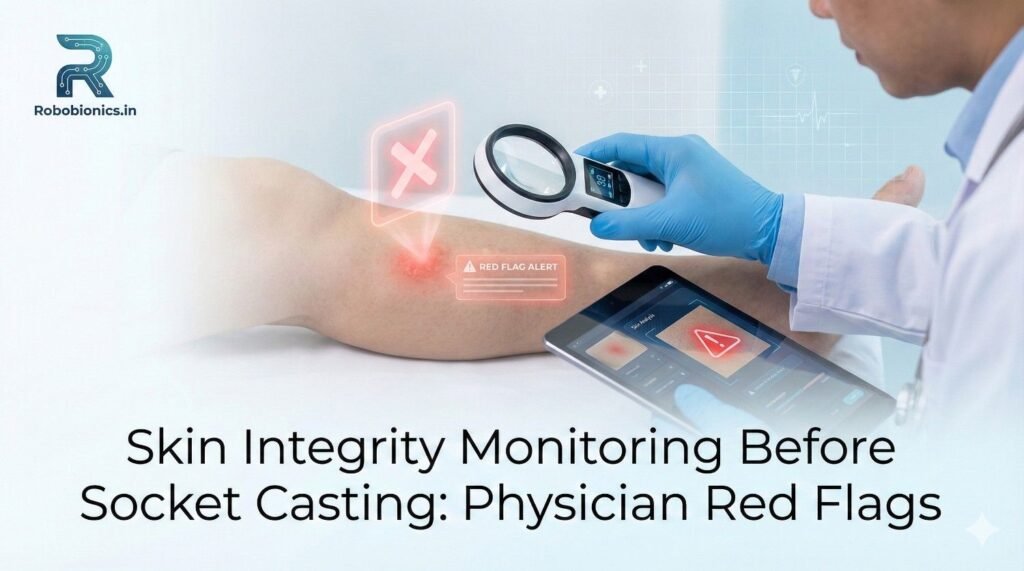
Before a prosthetic socket is made, the skin tells a story.It shows pain, healing, pressure, risk, and readiness. Many problems with prosthetic comfort, fit, and long-term use begin before the socket is ever cast. They begin with skin that was not fully ready, not carefully checked, or not respected enough. As prosthetics manufacturers with years […]
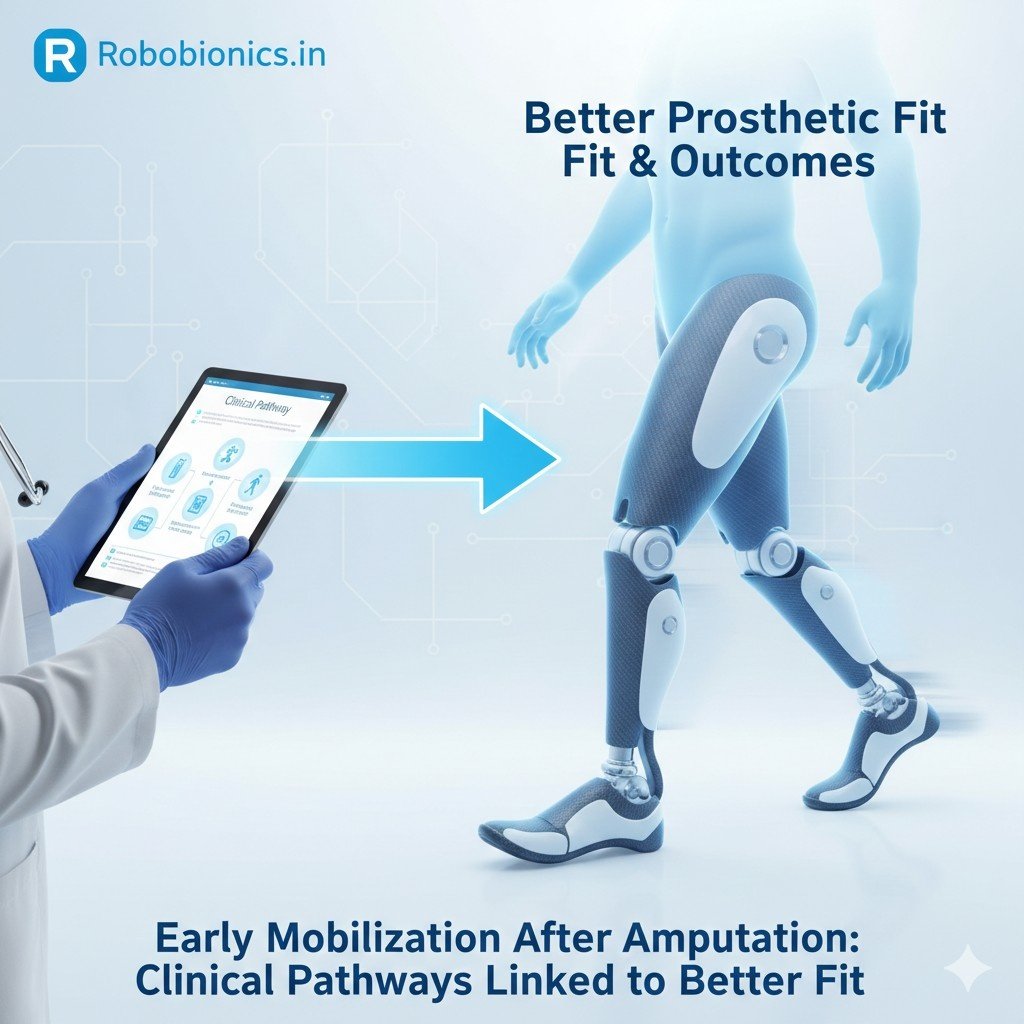
Early mobilization after amputation is not about rushing a patient out of bed. It is about guiding safe, meaningful movement at the right time so the body heals in the right way. When patients move early, swelling reduces faster, muscles stay active, joints remain flexible, and confidence grows. These changes directly affect how well a […]
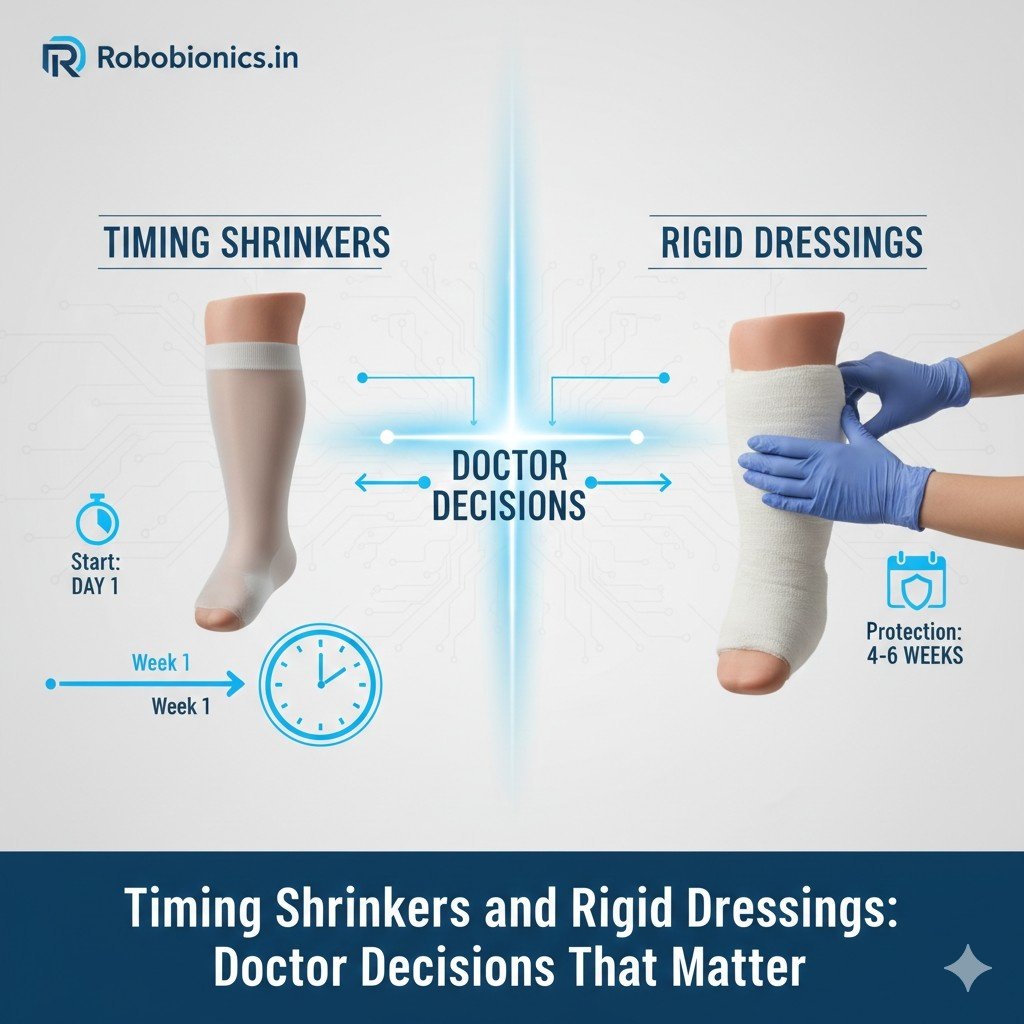
One of the most underestimated decisions after amputation is not about surgery or prosthetics. It is about timing. When to start shrinkers. When to introduce rigid dressings. When to wait, and when waiting causes more harm than good. These choices quietly shape limb healing, comfort, confidence, and how smoothly a patient moves toward prosthetic use. […]