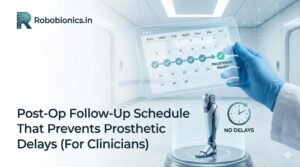
Post-Op Follow-Up Schedule That Prevents Prosthetic Delays (For Clinicians)
For many clinicians, the surgery is only the first step. What happens after the operation



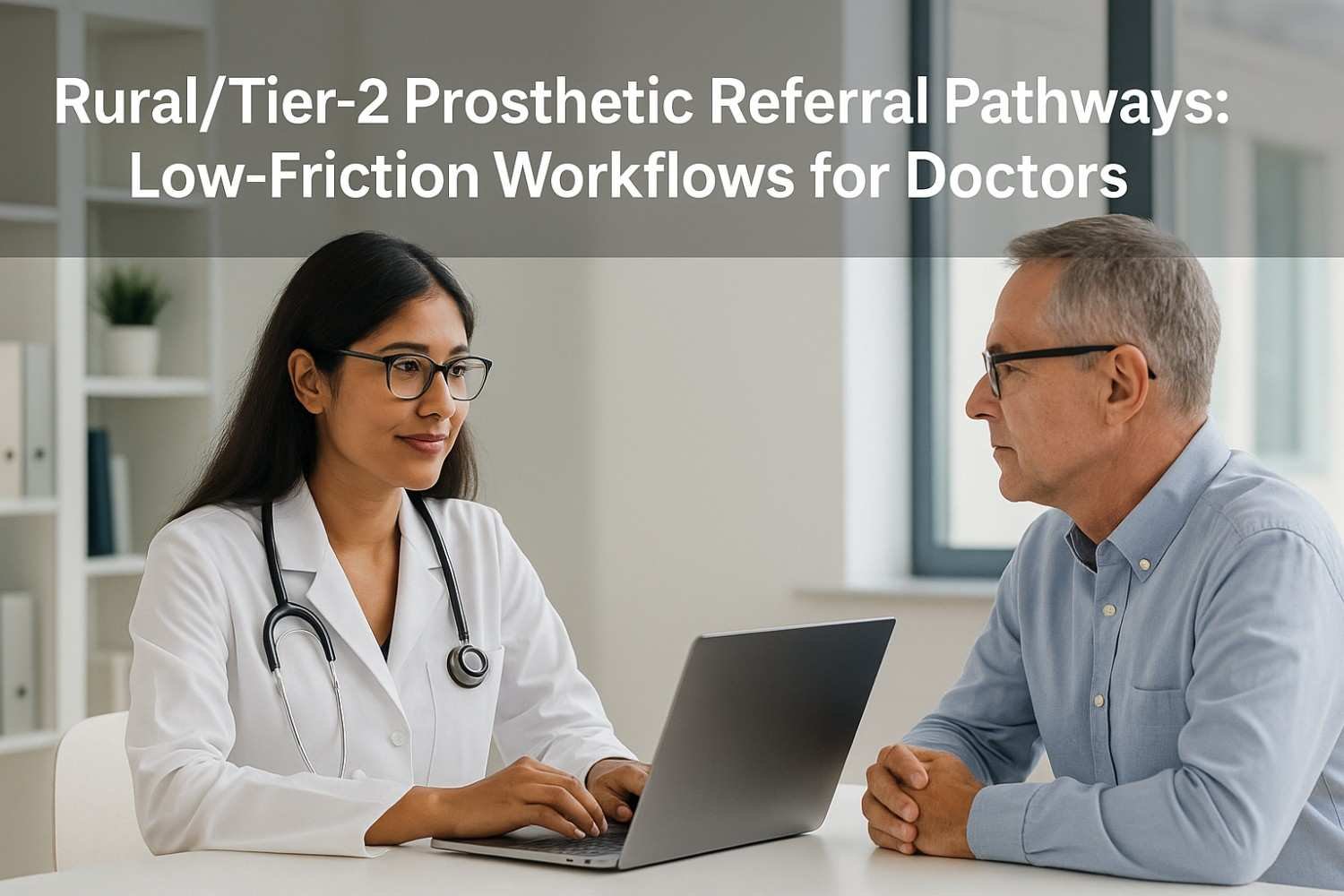
In many rural and tier-2 towns across India, doctors play a central role in guiding patients with limb loss. They are often the first point of contact, the most trusted voice, and sometimes the only medical professional available for weeks. Because of this, a clear and smooth referral pathway becomes essential. Patients in these areas face challenges that are very different from those in big cities—long travel, limited transport, tight budgets, and fewer specialist centers nearby. A low-friction referral workflow helps them reach prosthetic care early, safely, and without confusion.
This guide is written to support doctors who want to help their rural patients move forward with confidence. It explains how to simplify communication, how to prepare the limb early, how to reduce delays, and how to connect patients with reliable prosthetic teams who can support them even from a distance. The goal is to make the journey easier for families who already carry a heavy emotional and financial load.
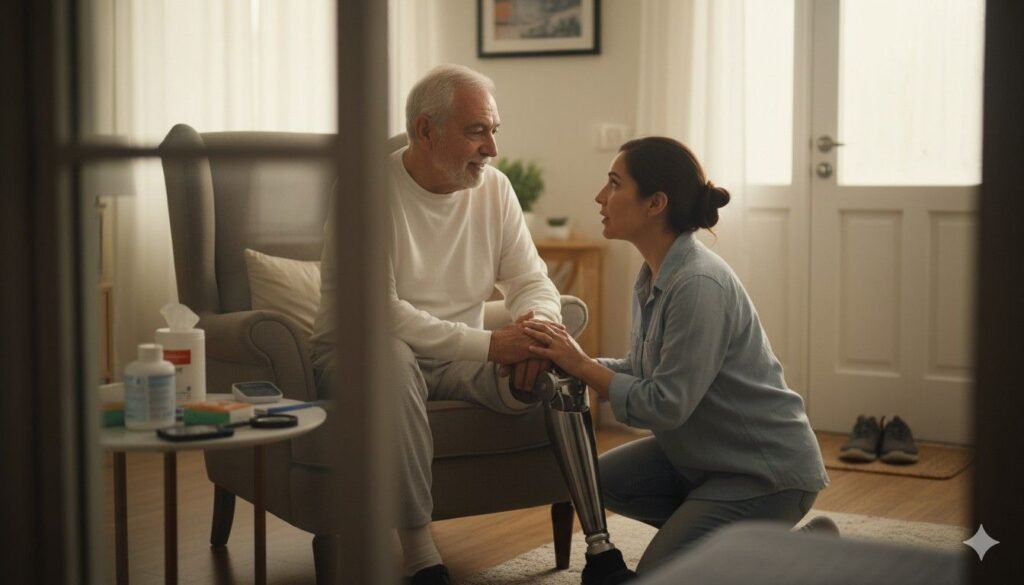
In smaller towns and rural areas, healthcare feels personal.
People come to you not just for treatment but for comfort and direction.
When someone loses a limb, they often feel lost, scared, and unsure of what comes next.
They trust you to show them the way.
But the referral pathway for prosthetic care is rarely smooth.
Many patients do not know where to go or who to meet.
Most have never heard of modern prosthetics or bionic hands.
The journey becomes long and tiring before help even begins.
A clear pathway changes everything for them.
It brings speed, clarity, and confidence.
It helps patients feel supported instead of overwhelmed.
And it strengthens your role as the one who guides them toward hope.
In many rural and tier-2 clinics, doctors see people who waited months before seeking help.
Some do not know which prosthetic options exist.
Others fear high costs or travel challenges.
Many simply think advanced prosthetics are out of reach.
Doctors often want to connect patients with reliable prosthetic providers.
But the information is scattered, the process is unclear, and the centers are far away.
This creates hesitation for patients and frustration for doctors.
When the process is slow, patients lose motivation.
They delay fitting.
They delay therapy.
They delay returning to work.
And their confidence fades with each passing week.
This is where structured workflows can make a real difference.
Good workflows cut confusion and help patients move forward with trust.
Most people in rural areas rely on daily labor, farming, or small local jobs.
A missing limb affects every part of their life.
They want fast help because every day without function affects income and dignity.
But they often face these hurdles:
Travel takes time and money.
Finding the right prosthetist is difficult.
Hospitals rarely keep updated lists of providers.
Patients fear being misled or oversold.
Follow-up becomes harder due to distance.
And many families depend on the doctor’s recommendation alone.
This means the referral process must be simple, direct, and reassuring.
Even small improvements in this pathway can save patients weeks of uncertainty.
Limb loss is not just physical.
It carries emotional pain that people do not always show.
Patients fear being judged, stared at, or left behind.
They wonder if they will work again.
They worry if their families will suffer.
When the referral pathway is confusing, the emotional load becomes heavier.
A smooth process reduces stress and brings back hope.
It gives patients a sense of direction at a time when everything feels scattered.
This is why doctors hold such an important role.
Your words can ignite courage.
Your guidance can shape the next chapter of their life.
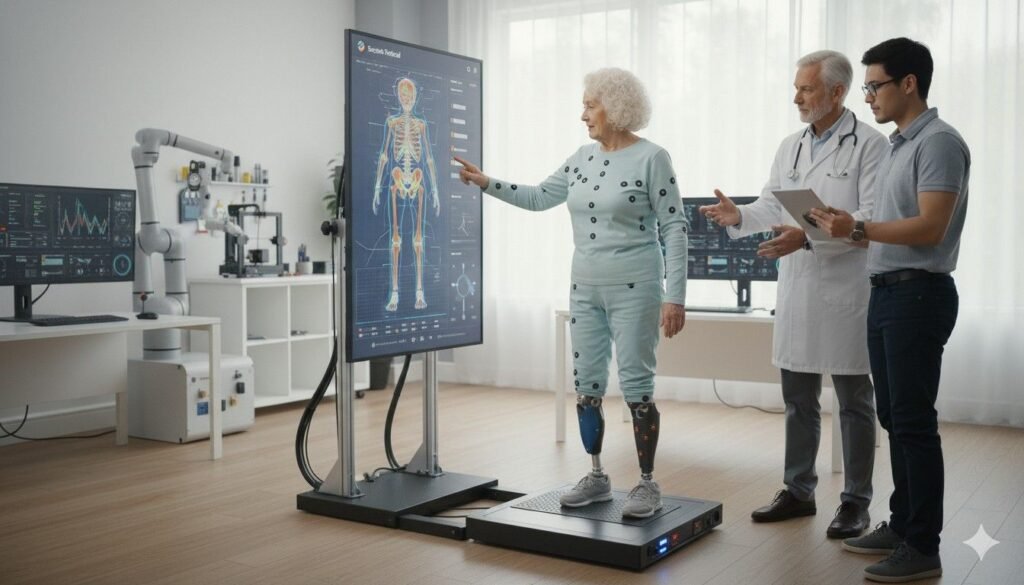
Doctors in smaller towns often want a quick, ready-to-use system.
A simple stepsheet helps create consistency for every patient.
It ensures you do not forget any detail even on busy days.
A basic stepsheet includes what to check, what to explain, and where to refer.
It also gives patients clarity about what will happen next.
When the path is clear, the fear reduces, and action becomes easier.
This sheet does not need complex language.
It only needs clarity and structure.
You can keep it on your desk or share a printed copy with patients.
Most rural doctors prefer to refer patients to someone dependable.
One reliable partner can reduce confusion for both doctor and patient.
This partner should offer clear communication, honest guidance, and accessible pricing.
When you build a relationship with one or two trusted prosthetic providers,
you always know exactly who to call.
Your patients also get a clear direction without being overwhelmed by choices.
Companies like Robobionics focus on doctor support and open communication.
This makes the referral process smoother for everyone.
Patients get faster assessments.
Doctors get reliable updates.
And families feel reassured.
Before referring a patient, the first conversation matters the most.
This is where the patient decides if they feel ready to move forward.
Simple and clear words reduce fear.
Explain that modern prosthetics are easier to use today.
Explain that options exist for different budgets.
Explain that technology is improving quickly in India.
Explain that support is available locally and not only in big metros.
When the message is honest and calm, patients trust the process.
They stop imagining worst-case scenarios and begin to see possibility.
A low-friction workflow needs a simple hand-off.
This can be a single phone call, a WhatsApp message, or a quick digital form.
The goal is to ensure the prosthetic provider receives all basic details about the patient.
The doctor’s role is not to diagnose prosthetic needs in detail.
The prosthetist handles that.
But sharing the patient’s name, limb level, age, and basic health condition helps speed things up.
A clean hand-off ensures no one wastes time.
It helps the prosthetist prepare.
It also shows the patient that two professionals are working together for their good.
Even after the referral is done, patients need emotional support.
They might feel confused or restless during the waiting period.
A short follow-up call or a brief check-in during clinic visits helps a lot.
This small act shows you care.
It reduces anxiety.
It tells the patient they are not alone in the journey.
Patients in rural areas often have fewer support systems.
Your reassurance becomes part of their healing.
Travel is one of the hardest parts for rural families.
The prosthetic center may be far.
Work hours, farming duties, and family needs make travel plans difficult.
If possible, give patients clear guidance on when to visit the prosthetic center.
Ask the provider to schedule appointments in a way that reduces back-and-forth travel.
Some providers also arrange in-home assessments or local camps.
This reduces friction and makes the process smoother.
Doctors who help simplify travel win enormous trust.
Patients remember this kindness for life.
Rural patients often prefer simple communication channels.
Most families use WhatsApp for daily communication.
Sending images, videos, or small notes through WhatsApp makes understanding easier.
You can share:
Short videos on how prosthetic hands work
Images of successful fittings
Simple explainer messages
Location pins for the prosthetic center
Appointment reminders
Clear information makes families feel prepared.
They know what to expect before they even reach the center.
Once the prosthetic fitting is complete, many doctors like to stay involved.
Patients also feel comforted knowing their doctor is still part of their journey.
A small progress check after one month and again after three months is enough.
Ask how the device feels.
Ask if the family needs anything.
Ask if therapy is going well.
Ask if the patient is returning to normal life.
This creates a full-circle care experience.
It shows that you are not just referring them but walking beside them.
Rural families often deal with many unknowns.
A simple workflow removes confusion and reduces stress.
Every small step becomes easier when the path ahead is clear.
When patients know what will happen next, they feel secure.
This increases the chances of them completing the full fitting process.
When the process is open, patients feel respected.
They do not fear hidden costs or false promises.
They understand the journey from start to finish.
Clear communication from both doctor and prosthetist builds deep trust.
This trust moves patients forward with confidence.
The sooner a patient starts the prosthetic journey, the better the results.
Muscles stay active.
Skin stays healthy.
Motivation stays high.
Low-friction workflows reduce delays.
Patients get fitted faster.
Life begins moving forward again.
Companies like Robobionics invest deeply in small-town access.
They work with local prosthetic centers across India.
They provide demos, assessments, and support closer to the patient’s home.
This brings high-quality prosthetics within reach of rural families.
Local access removes the biggest barrier, which is travel.
It saves time, money, and energy for families already under stress.
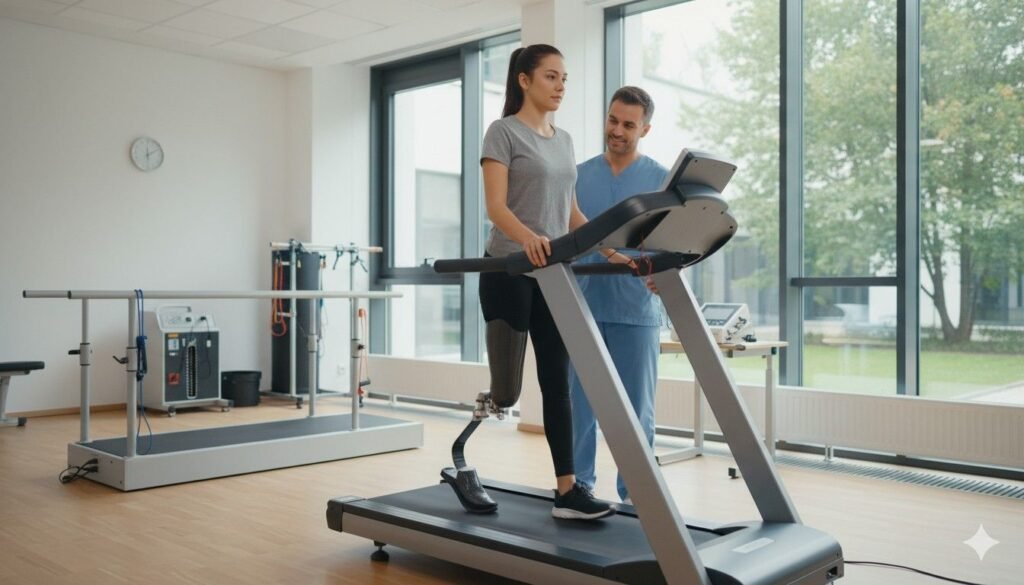
For patients living in smaller towns and rural areas, the connection between a doctor and a prosthetist can shape the entire recovery journey. When these two professionals work together closely, the patient enjoys a smoother, faster, and more hopeful path. Many patients do not know the difference between a prosthetic technician, a prosthetist, or a general medical provider. They depend heavily on the doctor to take the first step and guide them into the right hands. When the collaboration between the doctor and prosthetist is strong, the patient feels as if a team is supporting them, and this feeling alone can reduce anxiety, build confidence, and make the entire journey much easier.
Clear collaboration also removes guesswork. Patients often ask repeated questions about where to go, what to expect, and how long recovery will take. A coordinated approach helps answer those questions early, reducing the sense of fear and confusion that many families carry. When a doctor and prosthetist communicate regularly, the patient receives consistent guidance. There is no mixed messaging, no confusion, and no delay in care. This unity brings comfort to the patient and stability to the overall workflow.
Good communication does not need to be time-consuming. In rural and tier-2 settings, simple tools work best. Even a quick WhatsApp message or a brief phone call can make a big difference. These small actions create a steady flow of updates between the doctor and prosthetic provider, ensuring gaps do not appear during the referral process. When communication becomes routine instead of an occasional effort, the entire workflow gains speed and clarity.
Doctors often have heavy patient loads, while prosthetists may travel across districts to conduct assessments or camps. Because of this, communication must be easy, flexible, and free of unnecessary steps. A simple method that many rural doctors appreciate is a shared contact sheet, where they can directly reach the regional prosthetist without having to go through multiple staff members. This quick link saves time and lowers the friction that usually slows down care.
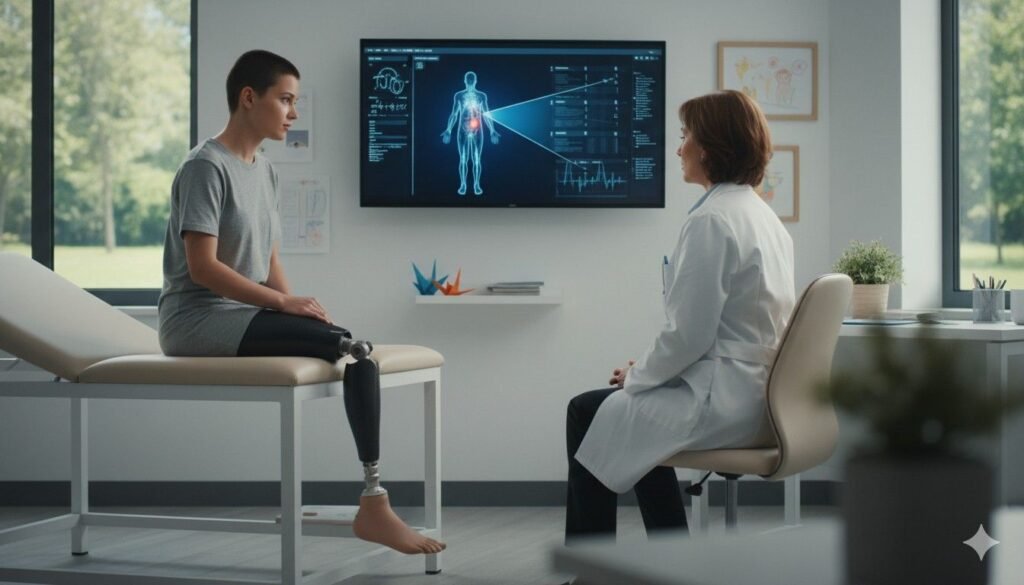
There are moments when the patient benefits greatly from hearing both the doctor and the prosthetist together. For example, when choosing between a mechanical hand and a myoelectric bionic hand, patients often feel unsure. They look to the doctor for medical advice and to the prosthetist for functional clarity. A brief three-way call or a shared clinic visit can clear doubts within minutes. These discussions help patients understand what will genuinely work for their body, lifestyle, and daily needs.
Joint conversations also increase trust. Many rural patients are skeptical of new technology or worry that they may be forced into an expensive solution. When they hear the same message from both professionals, that fear fades. They feel respected and included in the decision-making process. They also develop a sense of responsibility toward their own recovery, which helps them stay committed to training, fittings, and follow-ups.
One of the most effective ways to support rural patients is by bringing services closer to them. Many prosthetic companies, including Robobionics, host local camps where assessments, measurements, and demonstrations happen within the patient’s town or district. These camps save families the stress of long travel, multiple trips, or high transportation costs. For many patients, attending a nearby camp is the first time they see a bionic hand or learn how the technology works in real life.
Doctors play an important role in helping patients discover and trust these camps. When patients hear about camps from their doctor, they feel reassured that the event is legitimate and safe. Doctors can also help the prosthetic team understand local needs, common injury types, and community preferences. This cooperation helps camps run smoothly and ensures that patients receive the exact information and support they require.
Small bits of information can make the difference between a quick, effective fitting and a long, confusing journey. Details such as stump condition, healing progress, presence of swelling, or history of diabetes help prosthetists plan the right approach. When doctors share this information early, the prosthetic provider can prepare appropriate socket types, liners, and fitting plans even before the patient arrives.
Patients often do not remember or understand their own medical details. A short summary from the doctor helps avoid mistakes or delays during assessment. It also ensures that the prosthetist approaches the case with sensitivity, especially when dealing with recent trauma, burns, or infections. A little clarity at the beginning can save weeks of back-and-forth later.
In rural areas, people often grow up with strong cultural beliefs around physical strength and ability. Losing a limb can affect their identity, confidence, and sense of worth. Many patients hide their stump, avoid public spaces, or withdraw from social life. They feel as if their value has reduced, which makes them hesitant to seek help.
Doctors can gently shift this mindset. A simple sentence like You can still live fully with the right prosthetic support can change how a patient views their future. Encouragement from a trusted doctor helps patients accept reality without feeling broken. It shows them that recovery is possible and that the journey is not something they must face alone.
Family support matters deeply in rural and tier-2 towns. Patients often depend on their spouse, parents, or children for daily assistance, travel arrangements, and emotional comfort. But families also carry fear. They worry about costs, maintenance, and whether the prosthetic hand will truly work. Sometimes they overload the patient with doubts, which slows down the entire recovery process.
Doctors can guide families by giving honest, gentle explanations about how prosthetic care works. Simple messages like The process is safe or This option is affordable in India today can calm their fears. When families understand the process and trust the plan, they become stronger partners in recovery. This teamwork strengthens the patient’s confidence and commitment.
Prosthetic recovery does not end when the device is fitted. Training, strengthening, and skill-building take time. Many patients struggle during this phase, especially when they cannot perform tasks immediately. Some feel frustrated, while others fear they will never master the device.
Doctors can help motivate patients with realistic expectations. Explaining that progress will come step by step helps them stay patient and focused. Small check-ins during clinic visits can uplift their spirits. Even a short conversation can remind them that their effort matters and that their doctor is still cheering for them. This emotional support reduces dropout rates and increases long-term success.
Many rural families assume that bionic hands cost more than they can ever afford. They have heard stories of imported devices priced above ten lakh rupees, and these stories create fear. Robobionics removes this barrier by offering advanced bionic hands at a fraction of that price, while still keeping quality, comfort, and functionality strong. The Grippy Bionic Hand lets patients control hand movements using natural muscle signals, giving them a smooth and intuitive experience without feeling overwhelmed.
Affordability plays a huge role in building trust. When patients learn that a high-quality Indian-made bionic hand is within reach, their hesitation fades. They begin imagining a future where they can work again, hold tools, cook, write, or manage daily tasks independently. Doctors in rural areas appreciate having an option that is technologically advanced yet realistic for the financial realities of their patients.
Having access to prosthetic support within nearby towns changes everything for rural patients. Robobionics has partnered with many prosthetic centers across India, bringing services closer to patients instead of forcing them to travel to major metro cities. This network allows rural doctors to refer patients with confidence, knowing that the care will be accessible and consistent.
Local availability also means faster fittings, quicker follow-ups, and easier adjustments. Families feel relieved when they learn that they do not need to travel long distances for every small issue. This convenience becomes a huge advantage for people balancing work, farming, school, and home responsibilities.
One of the biggest challenges for prosthetic users is learning how to control grip force. Without feedback, patients often drop objects or hold them too tightly. Robobionics solves this with its Sense of Touch system, which gives real-time tactile feedback to the user. This makes control more natural and safe, especially during early training.
Patients in rural areas often use their prosthetic hand for daily chores like carrying buckets, riding a bike, using tools, or handling vegetables. Touch feedback makes these tasks easier and helps the patient trust the device faster. Doctors appreciate that the technology helps reduce the frustration many patients feel during initial adaptation.
Rural and tier-2 doctors play a powerful role in shaping the lives of people living with limb loss. A clear referral pathway, built with simple steps and warm communication, helps patients move from fear to hope. By combining your medical guidance with strong partnerships, accessible technology, and emotional support, you can transform the entire prosthetic journey for your patients.
Low-friction workflows remove delays.
Clear communication removes confusion.
Local access removes travel burden.
Affordable bionic solutions remove financial fear.
And your steady support removes emotional weight.
Together, these elements create a future where every patient, no matter where they live, gets the chance to regain function, confidence, and independence. And that future begins with you, the doctor who takes the first step and opens the door to better possibilities.
For many clinicians, the surgery is only the first step. What happens after the operation
For trauma amputees, the journey does not begin at the prosthetic clinic. It begins much
Amputation after cancer is not just a surgical event. It is the end of one
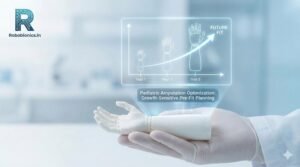
When a child loses a limb, the challenge is never only physical. A child’s body