For trans-radial prosthetic users, gripping power is one of the most important factors in choosing the right prosthetic hand. A strong, functional grip allows users to hold objects securely, perform daily activities with ease, and regain independence. However, not all prosthetic hands offer the same level of grip strength or versatility. Different prosthetic hand designs […]

Learning to walk again after an amputation is a journey that goes far beyond just wearing a prosthetic. It takes time, practice, and the right kind of training. This process is called gait training, and it is not the same for every person. The type of amputation you have plays a big role in how […]

Losing part of the foot can make walking, standing, and even simple movements more difficult. The foot plays a crucial role in balance and weight distribution, and when part of it is missing, it changes the way a person moves. This can lead to discomfort, strain on other parts of the body, and long-term mobility […]
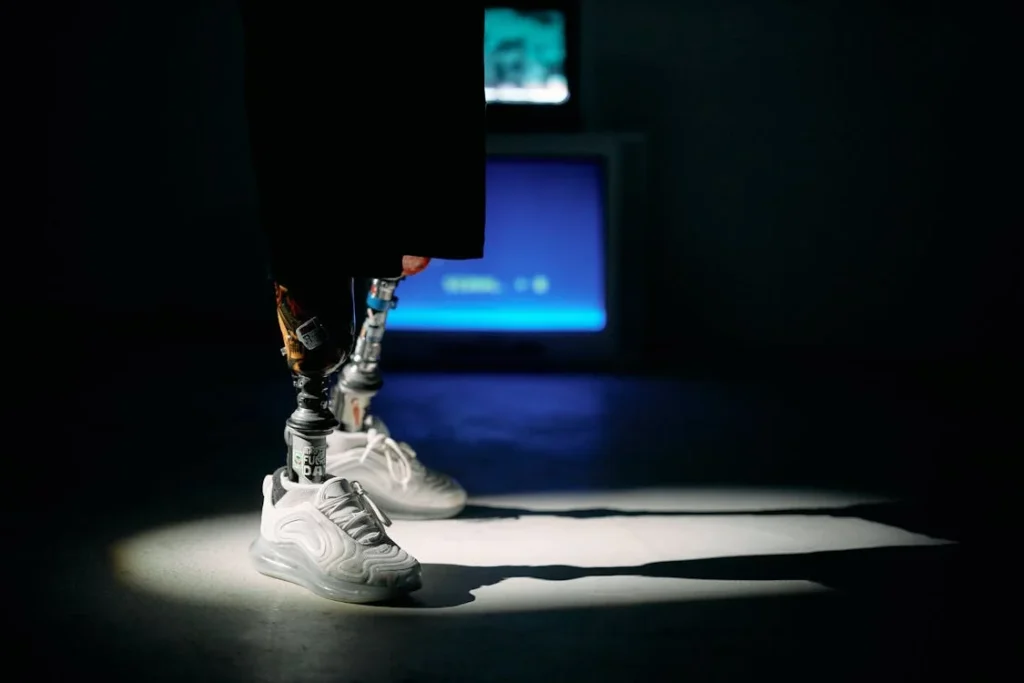
Prosthetic limbs change lives by restoring mobility, confidence, and independence. However, they also come with significant costs, which can be a major concern for individuals with partial foot or hemipelvectomy amputations. The price of a prosthetic varies based on the material, customization, and technology used, making it essential to explore financial assistance options. Understanding insurance […]
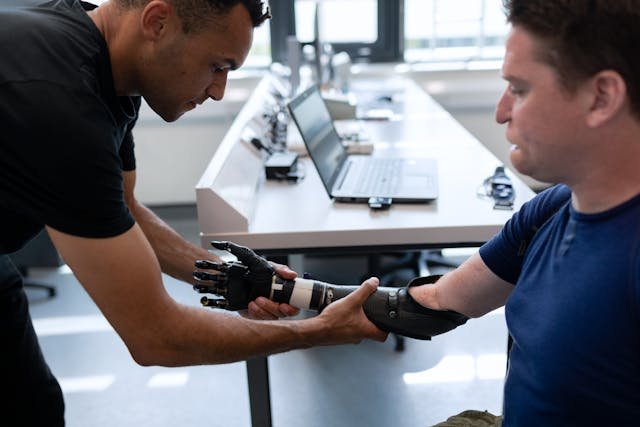
For individuals with upper-limb amputations, the ability to move naturally and efficiently is one of the most important factors in choosing a prosthetic limb. Wrist disarticulation prosthetics offer a unique advantage over trans-radial (below-the-elbow) prosthetics by preserving natural forearm rotation. This small but crucial difference allows users to retain a more fluid range of motion, […]