When someone first wears a bionic hand, it can feel like stepping into a completely new world. The device may move, respond, and even react to their thoughts—but it still doesn’t feel natural right away. For many patients, the first words they use are, “It feels weird.” As professionals, caregivers, or prosthetic experts, we hear […]
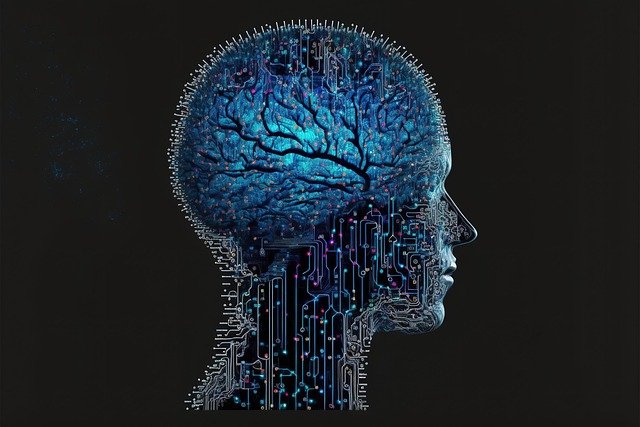
When a person gets a new prosthetic hand, the journey doesn’t end there. In fact, that’s when the real learning begins. The brain has to catch up, figure out what the new hand does, and slowly learn how to control it. This process is called neuro-adaptive training. But here’s the thing—many patients stop training too […]

When your child gets a prosthetic hand—whether it’s bionic or mechanical—it feels like a big step forward. And it is. But right after that moment, another question quietly starts to rise: How long will it take for their brain to learn to use it? This is not just a medical question. It’s an emotional one […]
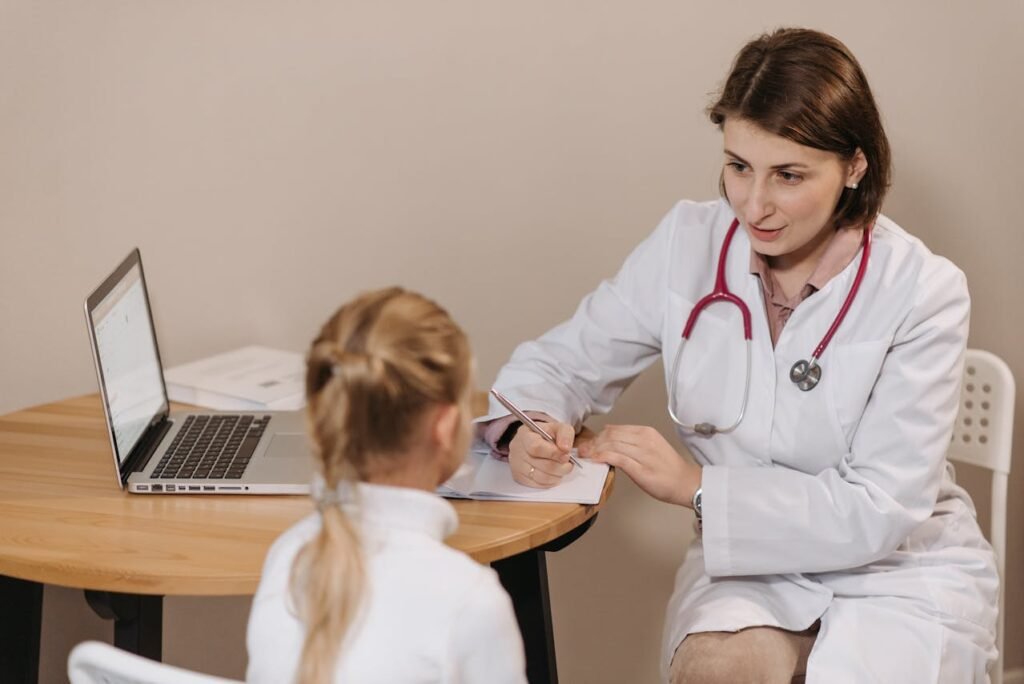
When a child loses a limb, the world changes—for them and for you as a parent. In those first few weeks, there are so many questions. You wonder how they’ll adapt, how they’ll grow, and what the future will look like. But inside your child’s brain, something incredible is already happening. It’s called neuroplasticity—the brain’s […]
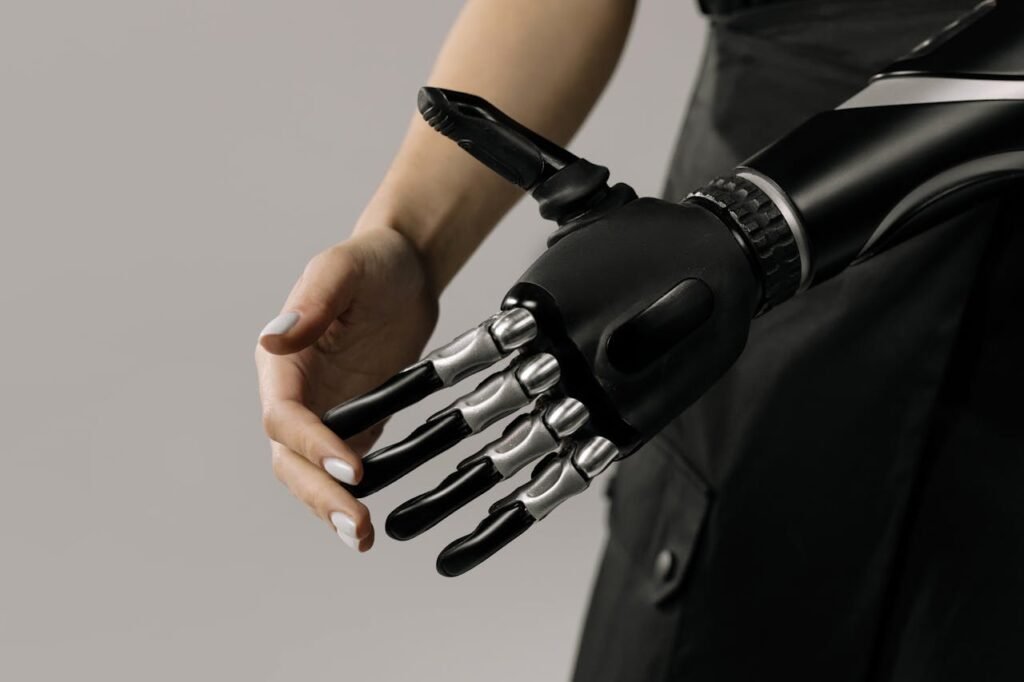
When someone first receives a bionic limb, they often think it’s all about the device. They look at the hand, the joints, the sensors, and imagine that the technology will do everything. But the truth is different. The real driver of bionic control is not the machine—it’s the brain. For patients, this idea is not […]