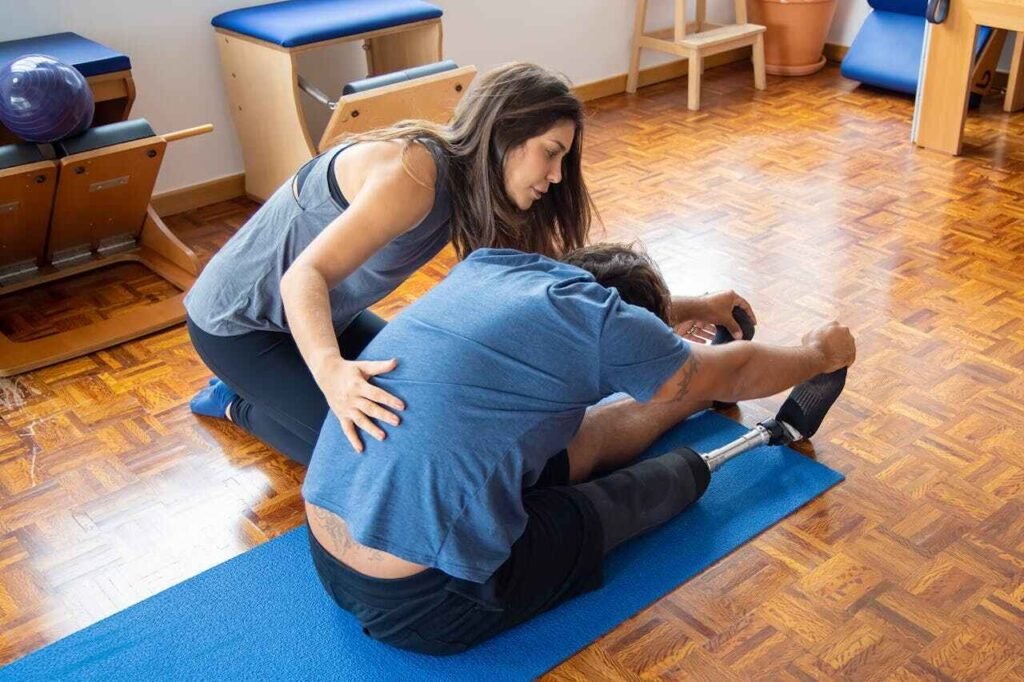
Getting fitted with a bionic limb is only the beginning. The real challenge is learning how to use it well. For many amputees, this means retraining muscles, reshaping movement patterns, and helping the brain form new connections. This is where physiotherapy plays a vital role. Good physiotherapy is not just about exercise. It’s about guiding […]
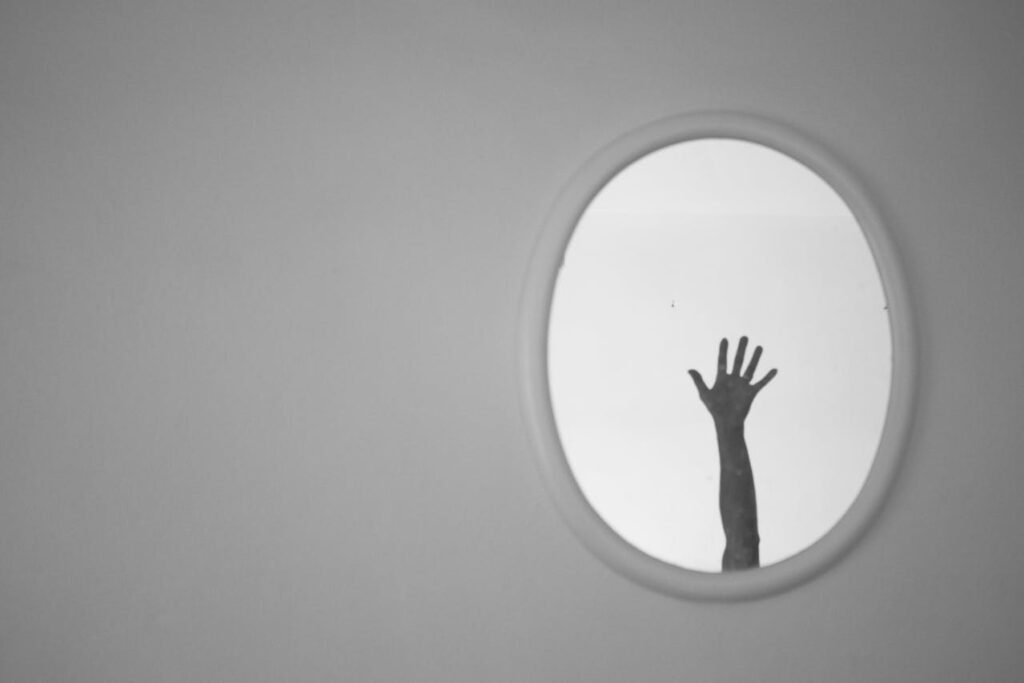
When someone loses a limb, the challenge isn’t only physical. The brain itself struggles to understand what has changed. It still sends signals to the missing limb, and in many cases, it even feels like the limb is still there. This is why many amputees experience phantom sensations or phantom pain. To adapt to a […]

Fitting a bionic hand or arm is only the first step. The real transformation begins when a patient learns how to control it. For many amputees, this process can feel overwhelming at first. Muscles that have not been used in years must be activated again. The brain must learn to send signals in a new […]
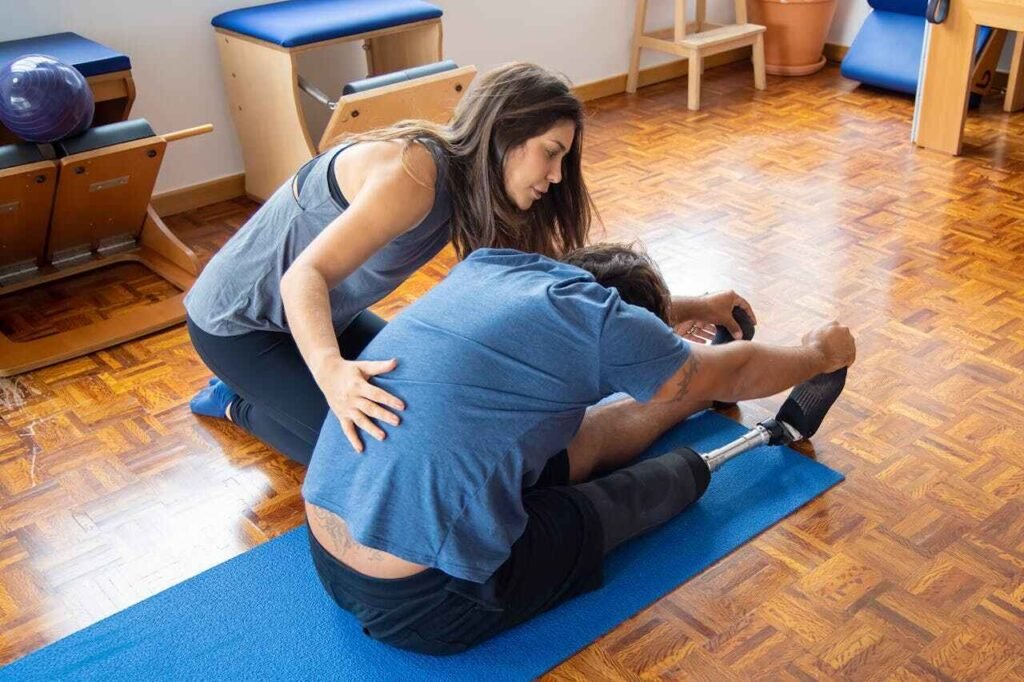
Losing a limb is not just a change in the body. It’s a deep shift in how the brain sees and feels that part of the body. For many amputees, the brain continues to send signals to the missing limb. Movements that once felt natural now feel confusing. Tasks that were automatic now need effort […]
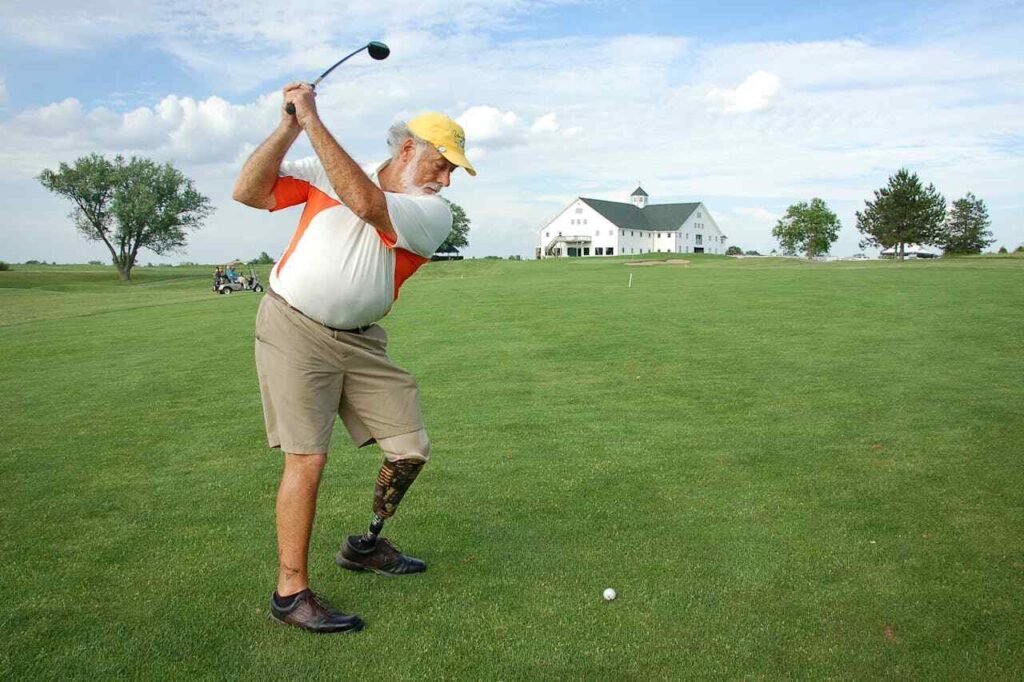
Getting a prosthetic hand to move is one thing. Getting it to move without thinking—smoothly, naturally, automatically—that’s something else entirely. That’s where muscle memory comes in. Muscle memory is what lets a person grab a cup without looking or button a shirt without pausing. It’s not about strength. It’s about repetition, confidence, and control. And […]