
Post-Op Follow-Up Schedule That Prevents Prosthetic Delays (For Clinicians)
For many clinicians, the surgery is only the first step. What happens after the operation



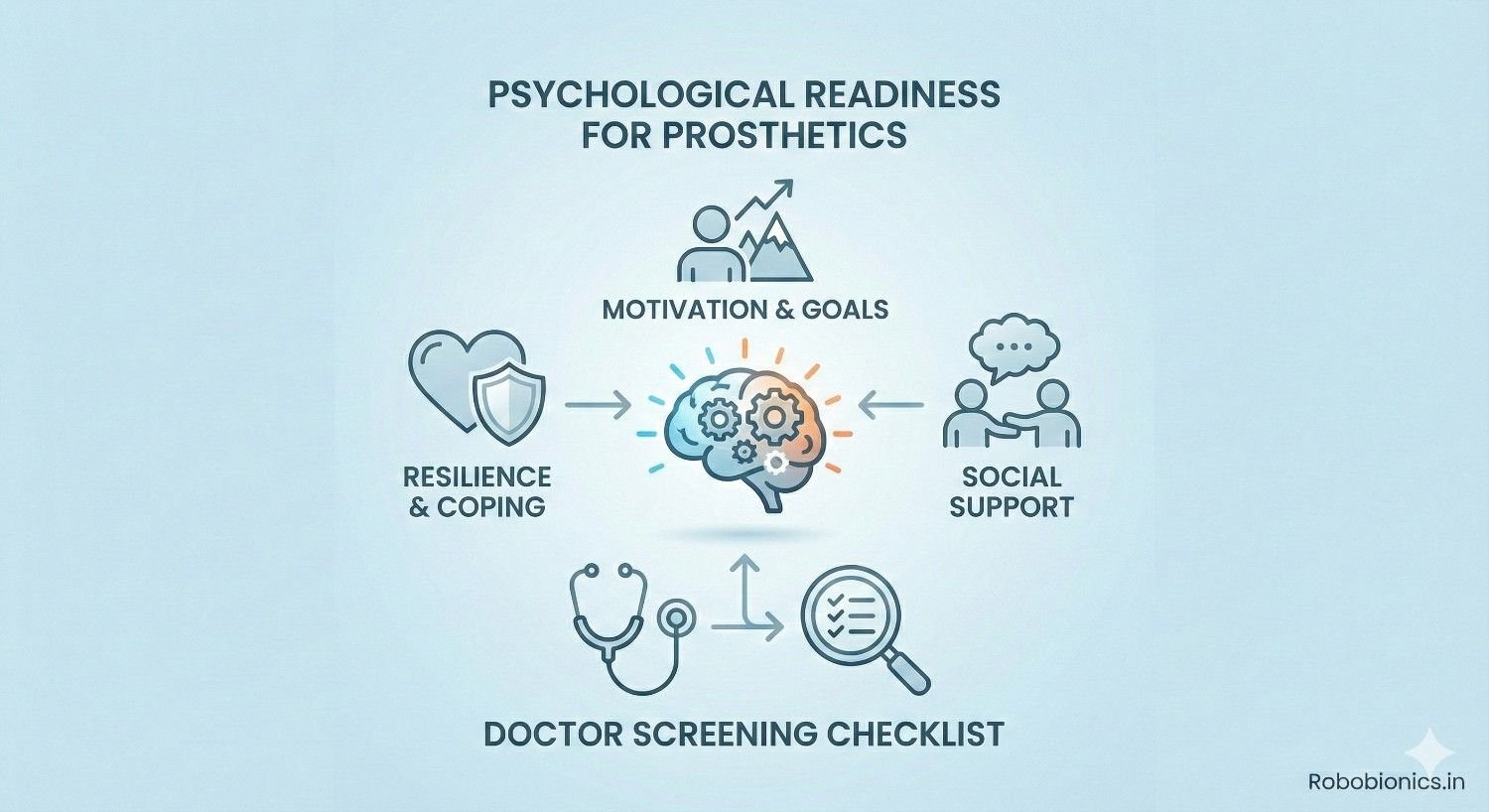
A prosthesis can restore movement, but it cannot work alone. The mind must be ready to learn, adapt, and trust the body again. When psychological readiness is ignored, even a well-fitted device may stay unused, while frustration and disappointment grow. For doctors, screening mental and emotional readiness is not extra work; it is part of safe and effective medical care.
This article explains what doctors should screen for when assessing psychological readiness for prosthetics. It focuses on clear signs, simple questions, and practical observations that fit into everyday clinical practice. The goal is to help MDs identify readiness, recognize risk early, and guide patients toward successful and lasting prosthetic use.
Before muscles learn control and skin learns tolerance, the mind decides whether the prosthesis is accepted or resisted.
Fear, doubt, or unrealistic hope can quietly block progress even when the body is medically ready.
Doctors who screen readiness early reduce the risk of abandonment later.
Motivation is the desire to improve, while readiness is the ability to engage with learning, discomfort, and change.
A patient may be highly motivated but not yet emotionally prepared for the daily effort prosthetic use requires.
Understanding this difference helps doctors plan timing more safely.
When emotional barriers are missed, patients often disengage after early setbacks.
This leads to wasted resources, lost confidence, and delayed recovery.
Early screening protects both outcomes and trust.
Limb loss triggers grief similar to other major losses, even when amputation was lifesaving.
Patients may cycle through shock, sadness, anger, or numbness.
These reactions are normal and should not be rushed.
Some patients appear calm and focused but have not emotionally processed the loss.
Denial can delay learning and surface later as frustration or withdrawal.
Doctors should gently explore feelings, not assume acceptance.
Acceptance is not a single moment but a gradual adjustment.
Patients may feel ready one week and overwhelmed the next.
Readiness should be reassessed over time.
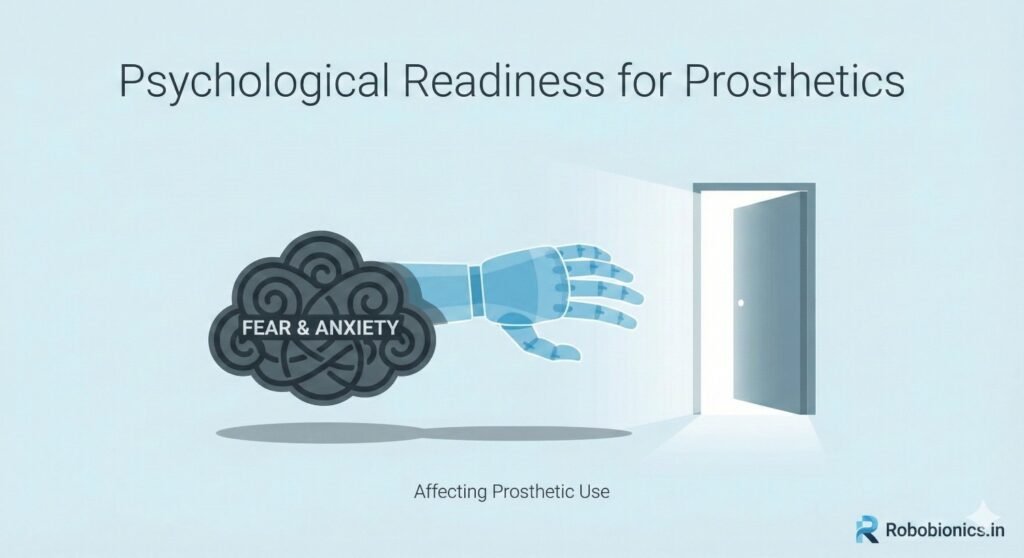
Many patients worry that prosthetic use will cause pain or damage the limb.
This fear may limit effort or lead to avoidance.
Doctors should ask directly about pain-related fears.
Lower-limb users often fear falling, while upper-limb users fear dropping objects or appearing awkward.
These fears affect confidence and practice.
Acknowledging them early improves cooperation.
Patients with long hospital stays or repeated surgeries may associate care with fear.
This anxiety can surface during training.
Screening history helps anticipate challenges.
Some patients expect the prosthesis to work like a natural limb immediately.
When reality differs, disappointment can halt progress.
Doctors should explore what the patient expects the device to do.
Other patients underestimate their ability and avoid trying.
Low self-belief limits engagement even with good support.
Encouragement must be balanced with honesty.
Beliefs about disability, technology, or fate shape acceptance.
These beliefs influence daily use more than technical details.
Doctors should listen without judgment.
Prosthetic use involves steps, safety rules, and self-care tasks.
Patients must understand and recall guidance.
Simple screening questions reveal readiness.
Learning new movement patterns requires sustained attention.
Poor focus can increase risk and slow progress.
Doctors should note distractibility or confusion.
Prosthetic use often requires adjustment and experimentation.
Patients who can adapt tend to succeed long term.
Rigidity may signal need for extra support.
Low mood, loss of interest, or withdrawal can reduce engagement.
Depression often presents quietly in medical settings.
Doctors should screen gently but consistently.
Sadness after limb loss is expected, but persistent hopelessness is not.
Duration and impact on daily function matter.
Differentiation guides referral decisions.
Untreated depression reduces practice and tolerance.
Addressing mood improves learning and satisfaction.
Mental health care supports physical outcomes.
Patients who recognize fatigue, pain, or emotional strain adjust more safely.
Poor insight increases risk of injury or burnout.
Doctors should observe how patients describe their experiences.
Openness to feedback supports learning.
Defensiveness or withdrawal may slow progress.
This behavior offers valuable screening data.
Patients who see themselves as active partners tend to engage more.
Passive attitudes reduce long-term success.
Doctors can foster ownership through shared planning.
Supportive families motivate, while pressuring families increase stress.
Doctors should assess family dynamics.
Balance matters more than intensity.
Patients living alone may struggle emotionally during early adaptation.
Isolation increases anxiety and non-use risk.
Social context influences readiness.
Seeing others succeed with prosthetics builds confidence.
Peer exposure reduces fear of the unknown.
Doctors can encourage these connections.
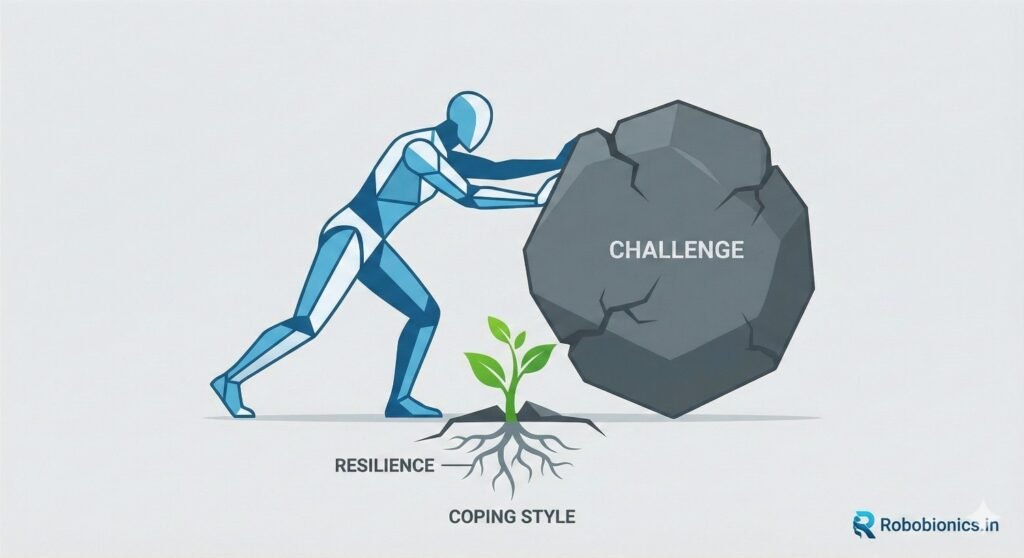
Some patients face challenges directly, while others avoid discomfort.
Avoidance often delays learning.
Coping style predicts training response.
Setbacks are inevitable in prosthetic use.
Resilient patients recover faster from frustration.
Doctors should ask about past coping experiences.
Prosthetic learning takes time.
Low tolerance for slow progress may cause dropout.
Expectation setting supports patience.
Statements about learning, practice, and effort suggest engagement.
Curiosity reflects openness.
Language reveals mindset.
Expressions of hopelessness or blame suggest emotional overload.
These cues should prompt deeper discussion.
They are clinical data, not complaints.
Body posture, eye contact, and tone provide insight.
Withdrawal may signal fear or depression.
Observation complements questioning.
Brief open-ended questions often reveal more than formal scales.
Asking “What worries you most about using a prosthesis?” opens dialogue.
These questions fit routine visits.
Psychological screening does not require separate appointments.
It can be woven into standard history-taking.
Consistency matters more than length.
Some findings require mental health support before fitting.
Referral is part of good care, not delay.
Clear pathways help doctors act confidently.
Clear explanations reduce fear of the unknown.
Understanding the process builds confidence.
Education is a psychological tool.
Early success builds belief.
Small wins matter more than big promises.
Goal setting supports readiness.
Letting patients know that struggle is expected reduces shame.
This reassurance improves persistence.
Normalization supports resilience.
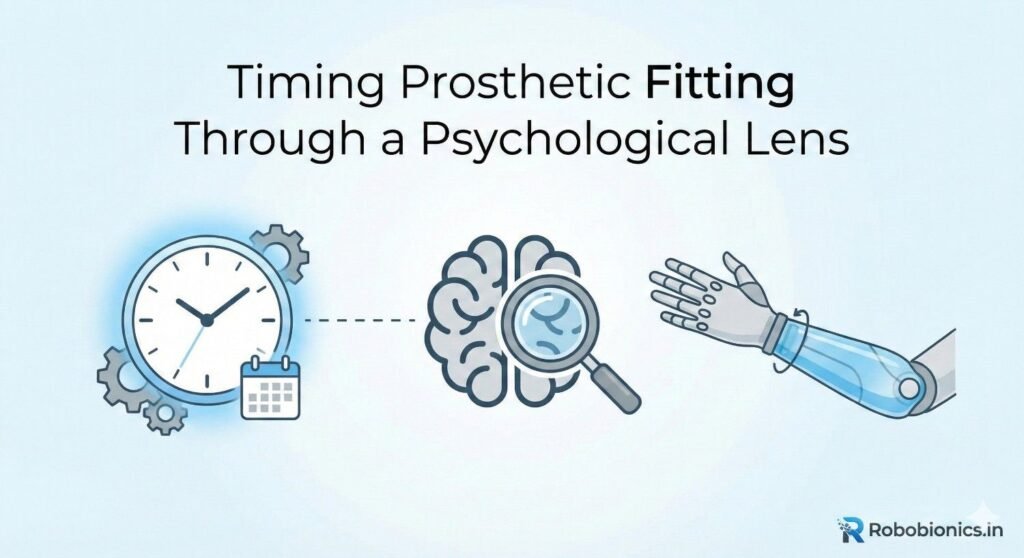
Even when wounds have healed and strength has returned, the mind may still be adjusting to loss, fear, or uncertainty, which can make early fitting feel overwhelming rather than empowering.
Introducing a prosthesis when emotional processing is incomplete often leads to resistance, poor engagement, or early abandonment.
Doctors should align fitting timelines with emotional readiness, not only medical clearance.
Some patients push for early fitting to escape grief, social pressure, or financial stress rather than true readiness.
This urgency may mask unresolved fear or denial.
Doctors should explore what is driving the timeline request.
Patients who ask practical questions, express curiosity, and acknowledge that learning will take time often show healthy readiness.
They accept guidance and show openness to gradual progress.
These cues suggest safer timing for fitting.
The first trial often carries heavy emotional weight, as patients imagine walking or using a hand again.
Unmanaged anticipation can turn into disappointment if reality feels unfamiliar or difficult.
Preparing patients for this gap protects morale.
Some patients freeze, withdraw, or become overly tense when first wearing a prosthesis.
These reactions signal anxiety rather than lack of ability.
Recognizing this early allows supportive pacing.
How a patient talks about the first trial afterward is highly revealing.
Hopeless language suggests distress, while reflective language suggests adaptation.
Post-session conversation is an important screening moment.
Early prosthetic training involves repetition that can feel boring or frustrating.
Patients who tolerate repetition tend to progress steadily.
Low tolerance may require shorter sessions and more encouragement.
Some discomfort is expected during learning, but panic amplifies it.
Patients who can describe discomfort calmly are safer learners.
Doctors should listen to how pain is framed, not only how intense it is.
Progress often comes in small steps rather than dramatic changes.
Patients who accept slow gains remain engaged longer.
Impatience often predicts dropout.
Looking at the prosthesis on the body can trigger strong emotional reactions.
Some patients avoid mirrors or public spaces initially.
These reactions deserve validation, not dismissal.
Limb loss can alter how patients see their role in family, work, or society.
Prosthetic use may challenge or restore identity.
Doctors should explore these shifts gently.
Comparing oneself to others with prosthetics can either motivate or discourage.
Patients with fragile self-worth may feel defeated by comparison.
Guidance helps reframe progress as personal, not competitive.
Encouraging support improves confidence, while constant monitoring or pressure increases anxiety.
Doctors should assess how family involvement feels to the patient.
Balance supports readiness.
Family members often fear falls or injury more than patients do.
This fear can limit patient confidence and independence.
Addressing caregiver anxiety is part of psychological care.
Mismatch between patient and family expectations creates stress.
Clear shared goals reduce conflict.
Doctors can facilitate this alignment.
Cultural views about disability shape how patients approach prosthetic use.
Some may see dependence as acceptable, others as failure.
These beliefs influence motivation and stress.
Concern about being seen with a prosthesis can delay use in public.
This fear often appears after discharge, not in clinic.
Doctors should prepare patients for this stage.
Pressure to return to work or social roles can both motivate and overwhelm.
Readiness depends on whether pressure aligns with capacity.
Timing should reflect balance.
Flashbacks, hypervigilance, or avoidance may appear during training.
These signs require careful pacing and possible referral.
Ignoring trauma symptoms increases dropout risk.
Repeated painful procedures can create fear of medical settings.
This fear may surface during prosthetic sessions.
Trust rebuilding is part of readiness.
Some patients appear emotionally flat rather than distressed.
This numbness can limit learning and motivation.
Gentle screening helps identify it.
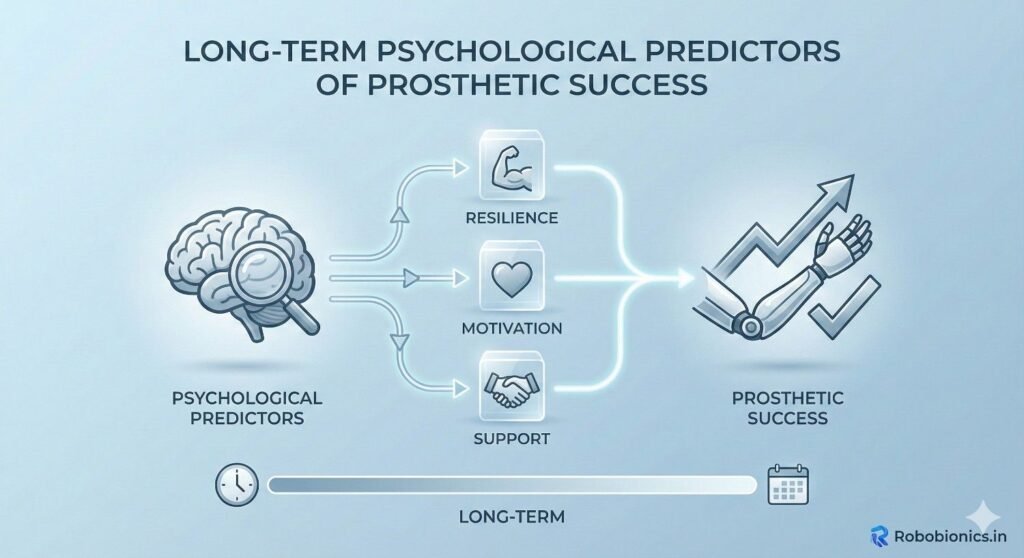
Patients driven by personal goals tend to sustain use longer.
External pressure alone rarely lasts.
Doctors should explore motivation sources.
Patients who adapt goals over time cope better with setbacks.
Rigid goals increase frustration.
Flexibility supports resilience.
Trust in doctors and therapists improves psychological safety.
Patients who feel heard engage more deeply.
The therapeutic relationship matters.
Some patients need time, counseling, or stabilization before fitting.
Clear explanation prevents feelings of rejection.
Temporary delay is protective.
Severe depression, persistent anxiety, or trauma symptoms require support.
Referral improves prosthetic outcomes.
This step is part of comprehensive care.
Hope should be preserved through education and small goals.
Patients should know readiness can change.
Support prevents disengagement.
Psychological readiness screening does not require long interviews or separate appointments, because much of the relevant information emerges naturally when doctors ask patients about daily life, worries, and expectations during routine reviews.
By listening carefully to how patients describe their situation, progress, and concerns, doctors can identify emotional readiness or risk without adding time pressure.
Consistency in asking these questions across visits matters more than depth in a single encounter.
Questions that invite reflection, such as asking patients what they find most difficult right now or what they hope life will look like after rehabilitation, often reveal beliefs, fears, and coping styles more clearly than direct psychological probes.
These conversations feel less clinical and more human, which encourages honest responses.
Doctors should allow brief pauses and avoid rushing answers, as silence often leads to meaningful insight.
Psychological readiness is best judged over time rather than in one meeting, because mood, confidence, and engagement can fluctuate during recovery.
Noting patterns such as increasing curiosity, improved participation, or reduced avoidance across visits provides strong evidence of readiness.
This longitudinal view reduces the risk of misjudging a patient based on a single good or bad day.
Brief notes about mood, engagement, expectations, and family dynamics help build a clearer picture of readiness over time.
This documentation supports continuity when care is shared across teams.
Psychological observations deserve the same respect as physical findings.
Records should describe what the patient says or does rather than label them with subjective terms.
For example, noting that a patient expresses fear of falling is more useful than writing that the patient is anxious.
Clear descriptions guide future decisions and referrals.
When mental health referral or delayed fitting is recommended, clear documentation helps patients and families understand the reasoning.
It also protects trust by showing that decisions are based on observed needs rather than opinion.
Transparency improves acceptance.
High enthusiasm at early stages can mask unresolved grief or denial, especially in patients eager to return to work or social roles.
Doctors should look beyond excitement and assess whether patients understand the effort and setbacks involved.
Balanced enthusiasm paired with realism signals healthier readiness.
Skipping emotional discussions may feel efficient, but it often leads to longer delays later due to disengagement or dropout.
Brief but regular emotional check-ins prevent bigger problems.
Addressing emotions early saves time overall.
Quiet patients may appear cooperative while internally struggling.
Silence does not always indicate agreement or readiness.
Doctors should gently invite expression rather than assume comfort.
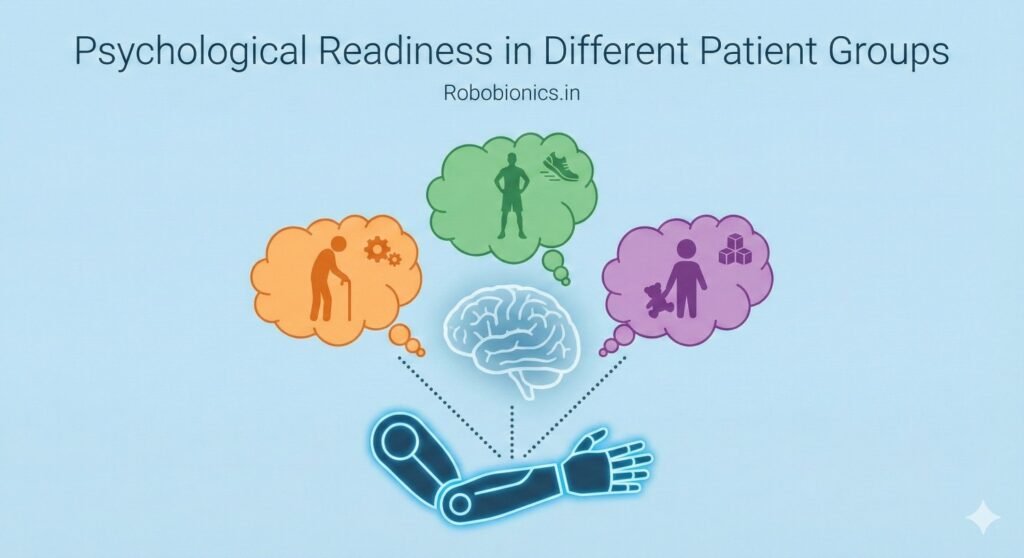
Patients who lose a limb suddenly often struggle with shock and identity disruption even when physically strong.
Their readiness may fluctuate unpredictably as reality sets in.
Doctors should expect emotional waves rather than linear progress.
Chronic illness often leads to emotional fatigue and fear of repeated failure.
These patients may appear cautious or withdrawn rather than distressed.
Readiness assessment should consider long-term disease burden.
Children and adolescents express readiness through behavior rather than words.
Resistance, avoidance, or sudden changes in mood often signal underlying concerns.
Doctors should involve caregivers while still respecting the child’s voice.
Physiotherapists and occupational therapists often spend more time with patients and observe subtle emotional responses during training.
Their feedback adds depth to readiness assessment.
Doctors should actively seek their input.
Psychologists and counselors can help patients process grief, fear, and identity changes that block prosthetic use.
Early referral improves outcomes and does not delay rehabilitation.
Collaboration strengthens care.
Mixed messages about expectations or timelines increase anxiety and confusion.
When all team members communicate similar goals and pacing, patients feel safer.
Consistency supports trust.
Psychological adaptation does not end when the prosthesis is fitted, as new challenges often arise during real-world use.
Preparing patients for ongoing emotional adjustment prevents disappointment.
Expectation management supports resilience.
Patients who reflect on what works and what feels difficult tend to adapt better over time.
Doctors can encourage journaling or simple self-check-ins.
Self-awareness strengthens coping.
Patients should be reminded that the prosthesis is a tool, not a measure of worth.
Reinforcing identity based on roles, relationships, and values reduces emotional pressure.
This perspective supports long-term well-being.
Fitting a prosthesis before psychological readiness can cause emotional harm and loss of trust.
Doctors have an ethical duty to protect patients from this risk.
Timing decisions should prioritize well-being over speed.
Psychological screening should be presented as routine care, not a judgment.
Normalizing emotional support reduces resistance.
Respectful language matters.
Patients deserve to understand why readiness matters and how it affects outcomes.
Shared decisions improve adherence and satisfaction.
Transparency builds partnership.
Patients who are not ready today may become ready with time, education, and support.
Readiness should never be seen as a fixed trait.
This outlook preserves hope.
Major transitions such as first fitting, return home, or return to work may change emotional needs.
Doctors should reassess readiness at these points.
Regular review prevents missed signals.
Psychological readiness screening recognizes that prosthetic rehabilitation is not only physical training but also a human adaptation process.
Respecting this reality improves outcomes.
Doctors who attend to both mind and body deliver more complete care.
We have now expanded the article significantly with detailed sections on workflows, documentation, common errors, patient groups, team-based care, ethics, and long-term adaptation, while maintaining longer, connected sentences throughout.

At Robobionics, we have seen that prosthetic success is rarely limited by technology alone and is far more often shaped by whether the patient felt emotionally prepared, understood, and supported at the right time.
When doctors take psychological readiness seriously, they protect patients from early disappointment and give prosthetic care a fair chance to succeed.
Screening the mind is not separate from medical care; it is part of responsible prosthetic medicine.
Patients who feel heard, prepared, and emotionally steady approach prosthetic training with patience and openness, even when progress is slow or uncomfortable.
This mindset reduces abandonment, improves learning, and strengthens trust in the care team.
Early psychological screening often saves months of stalled rehabilitation later.
Introducing prosthetics when patients are mentally ready, rather than when timelines demand it, creates better long-term engagement and confidence.
Honest conversations about effort, setbacks, and emotional adjustment help patients form realistic expectations.
Clarity builds resilience.
Doctors, therapists, families, and prosthetic providers all influence psychological readiness through their words, pacing, and attitudes.
When the entire team respects emotional readiness, patients feel safer to try, fail, and try again.
This shared approach transforms rehabilitation into partnership.
As an Indian prosthetics manufacturer, Robobionics works closely with doctors to support not only physical fitting but also the emotional journey of prosthetic adoption.
Our approach emphasizes gradual progression, patient education, and devices designed to adapt as confidence grows.
By aligning psychological readiness with thoughtful prosthetic design and care, we aim to help doctors restore movement, dignity, and long-term confidence for every patient.
For many clinicians, the surgery is only the first step. What happens after the operation

For trauma amputees, the journey does not begin at the prosthetic clinic. It begins much

Amputation after cancer is not just a surgical event. It is the end of one

When a child loses a limb, the challenge is never only physical. A child’s body