
Post-Op Follow-Up Schedule That Prevents Prosthetic Delays (For Clinicians)
For many clinicians, the surgery is only the first step. What happens after the operation



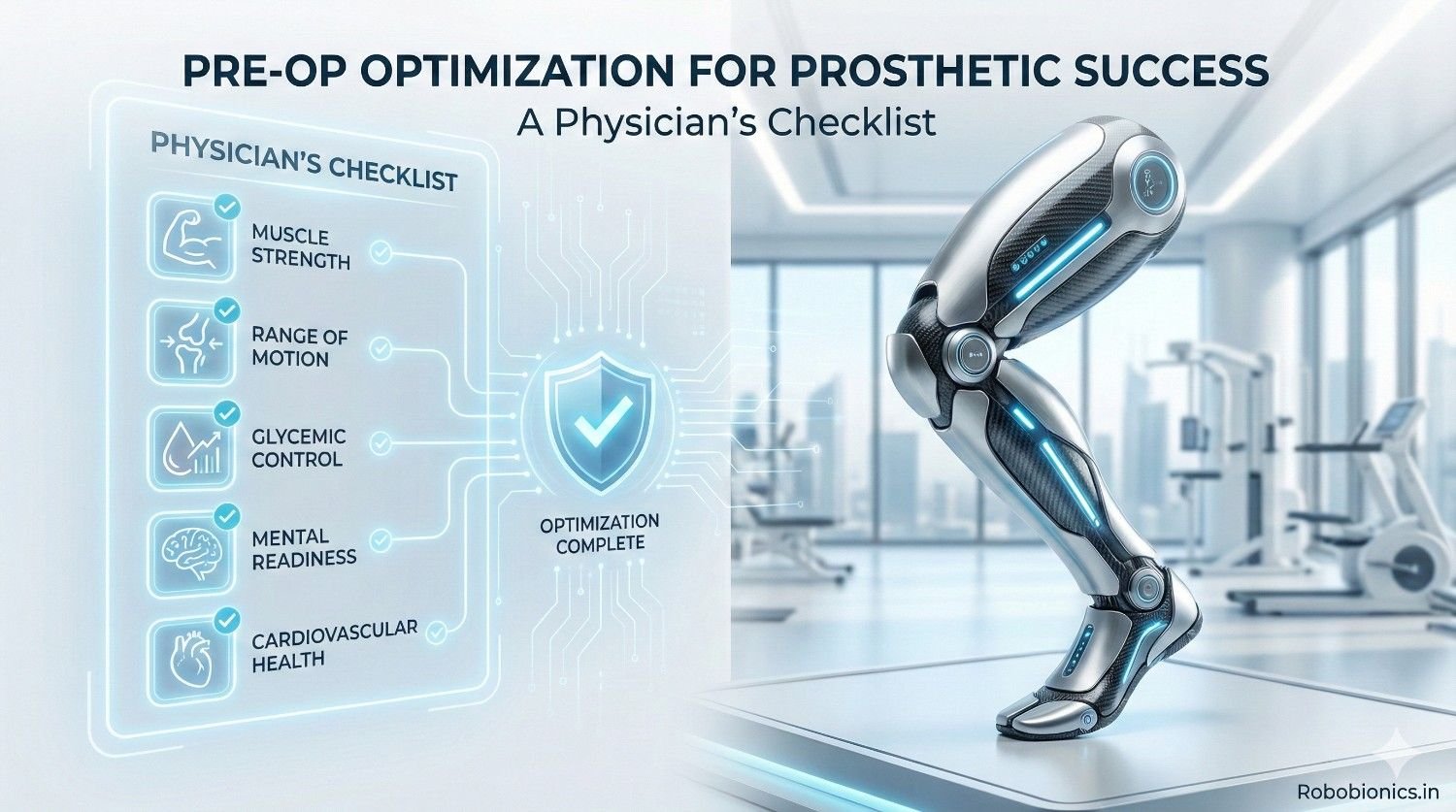
A good prosthetic result does not begin in the operating room. It begins much earlier, with careful planning, honest talks, and small but important steps taken before surgery. When these steps are missed, even the best prosthetic device can fail to give comfort, control, or long-term success.
This guide is written for physicians who want better outcomes for their patients who will use a prosthetic limb. It focuses on what can be done before surgery to prepare the body, the mind, and the care plan. The goal is simple: fewer problems, faster recovery, and a prosthesis that truly becomes a part of the patient’s life.
This checklist is practical, clear, and based on real clinical experience. It avoids heavy theory and focuses on actions that work in daily practice.
Pre-op optimization means preparing the patient well before surgery, not just medically but fully. This phase shapes how the limb heals, how the prosthesis fits, and how confident the patient feels later. When this stage is rushed or skipped, the patient often pays the price for years.
Many prosthetic failures are not due to poor devices. They happen because the body and mind were not ready. Swelling, pain, poor muscle control, and fear can all block success, even with advanced technology.
The physician is often the first and most trusted guide in this journey. Patients depend on clear advice, realistic timelines, and honest expectations. Early decisions made by the physician influence socket comfort, prosthetic control, and daily use.
A well-informed physician can prevent avoidable revisions and reduce patient frustration. This is not about extra tests. It is about thoughtful preparation and coordinated care.
Surgery should never be planned in isolation from prosthetic use. The level of amputation, shape of the limb, and tissue handling all affect future fitting. When surgeons and prosthetists align early, outcomes improve sharply.
This alignment ensures the limb is shaped for function, not just healing. It also saves time, cost, and emotional strain for the patient.
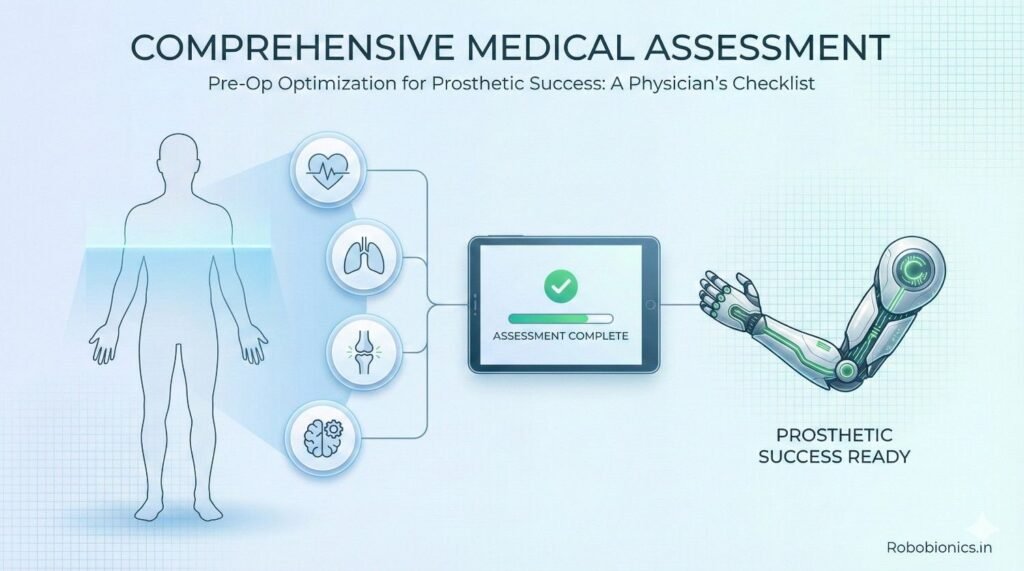
Before surgery, the patient’s full medical history must be reviewed with care. Conditions like diabetes, heart disease, or nerve issues can slow healing and affect prosthetic control. These factors should be stabilized early.
Ignoring these issues often leads to delayed recovery and poor tolerance of prosthetic wear. A stable body heals better and adapts faster.
Chronic illnesses should be controlled, not just noted. Blood sugar levels, blood pressure, and circulation must be optimized weeks before surgery. This reduces infection risk and improves tissue quality.
Simple steps like medication adjustment and regular monitoring can change outcomes greatly. Small medical wins add up to long-term success.
Healthy skin is the base of prosthetic comfort. Pre-existing scars, burns, or skin diseases must be identified early. These areas may need special surgical planning or future socket relief.
Physicians should think ahead to load-bearing areas and pressure zones. Good skin today prevents pain tomorrow.
Muscle strength above the amputation level plays a key role in prosthetic control. Weak or imbalanced muscles can limit movement and cause fatigue. Early assessment helps plan targeted strengthening.
Even simple exercises before surgery can improve control later. Strong muscles learn prosthetic movements faster.
Joint stiffness is a common and preventable problem. Limited movement before surgery often becomes worse after. Early stretching and guided movement reduce this risk.
Physicians should stress the value of motion to patients. A flexible joint makes prosthetic training smoother and less painful.
The future shape of the residual limb matters greatly. Poor contouring can lead to socket pain and repeated adjustments. Surgeons should plan flaps and closures with prosthetic fitting in mind.
A well-shaped limb distributes pressure evenly and improves comfort. This is a surgical choice with lifelong impact.
Pain present before surgery often continues after if not managed. This includes nerve pain, joint pain, or injury-related discomfort. Identifying pain sources early helps plan better control.
Ignoring pre-op pain increases the risk of chronic pain later. Early action makes recovery smoother.
Phantom pain is complex but can be influenced by pre-op care. Patient education, nerve handling, and pain control strategies all matter. Setting expectations also reduces fear.
When patients understand phantom sensations, they cope better. Knowledge reduces anxiety and perceived pain.
A clear pain plan should be shared with the patient before surgery. This includes medications, timelines, and non-drug methods. Surprises after surgery increase stress and discomfort.
Transparency builds trust and improves compliance. Patients feel safer when they know what to expect.

Emotional readiness is as important as physical health. Fear, denial, or unrealistic hope can block progress. Physicians should take time to listen and observe emotional cues.
A short conversation can reveal deep concerns. Addressing them early prevents setbacks later.
Anxiety and depression are common before limb loss surgery. These conditions affect healing, motivation, and prosthetic use. Simple screening tools can help identify those at risk.
Early referral to counseling can change outcomes. Mental support is not optional in prosthetic success.
Patients often imagine instant recovery or perfect function. These beliefs lead to disappointment. Physicians must explain the real journey, including effort and time.
Honest expectations build patience and resilience. Patients who know the road ahead stay engaged longer.
Poor nutrition slows healing and increases infection risk. Weight loss, low protein levels, or vitamin gaps should be corrected before surgery. This step is often overlooked.
Simple dietary advice can improve tissue repair. Food is medicine in surgical recovery.
Protein, fluids, and key nutrients support wound healing. Physicians should give clear guidance, not vague advice. Written instructions help patients follow through.
Good nutrition before surgery leads to stronger scars and fewer problems.
Extreme weight changes affect prosthetic fitting later. Rapid weight loss or gain should be addressed early. Stability is more important than quick change.
A stable body shape allows better prosthetic planning and comfort.
Dental issues, skin infections, or urinary problems can spread during surgery. These should be treated before the operation. Even minor infections matter.
A clean body heals faster and safer. Prevention is always easier than treatment.
Good circulation supports healing and reduces infection risk. Smoking, vascular disease, and inactivity reduce blood flow. These risks should be managed early.
Stopping smoking even a few weeks before surgery makes a difference. Better blood flow means better outcomes.
Patients should be taught simple hygiene steps before surgery. Clean skin and proper wound care habits reduce complications. Education empowers patients to protect themselves.
Clear instructions work better than assumptions.
Prosthetists should be involved before surgery whenever possible. Their input on limb length, shape, and future devices is valuable. This teamwork prevents avoidable errors.
Early collaboration saves time and improves fit later.
Patients benefit from knowing what prosthetic options exist. This helps guide surgical choices and sets realistic goals. It also reduces fear of the unknown.
Early exposure builds confidence and motivation.
Rehabilitation does not start after healing. It starts with planning. Knowing when therapy begins helps patients prepare mentally and physically.
A clear timeline keeps everyone aligned and focused.

Patients should learn basic facts about prosthetic use before surgery. This includes daily care, training effort, and long-term maintenance. Knowledge reduces shock later.
Prepared patients adapt faster and complain less.
Patients should be treated as partners, not passive recipients. Encouraging questions and involvement increases commitment. Engagement improves outcomes.
Ownership of the process leads to better use of the prosthesis.
Verbal advice is often forgotten. Simple written guides help patients remember key points. These do not need to be complex or technical.
Clarity and repetition build understanding.
The level of amputation affects strength, control, and prosthetic options. Preserving length when possible improves leverage and function. This choice must balance healing and use.
Prosthetic goals should guide surgical decisions.
Careful nerve handling reduces pain and improves comfort. Soft tissue padding protects bone ends and pressure areas. These details matter daily for the patient.
Small surgical choices have lifelong effects.
Poor planning often leads to revision surgeries. These are costly and stressful. Thinking ahead reduces the chance of repeat operations.
Good planning is a form of respect for the patient.
Before surgery, all medical factors should be reviewed once more. This includes labs, medications, and control of chronic issues. A final check prevents surprises.
Readiness should be confirmed, not assumed.
Surgeons, physicians, prosthetists, and therapists should be aligned. Everyone should know the plan and goals. This unity improves care quality.
Teamwork shows in results.
The patient should enter surgery informed and calm. Questions should be answered, and fears addressed. Confidence supports healing and cooperation.
A prepared patient is a stronger patient.
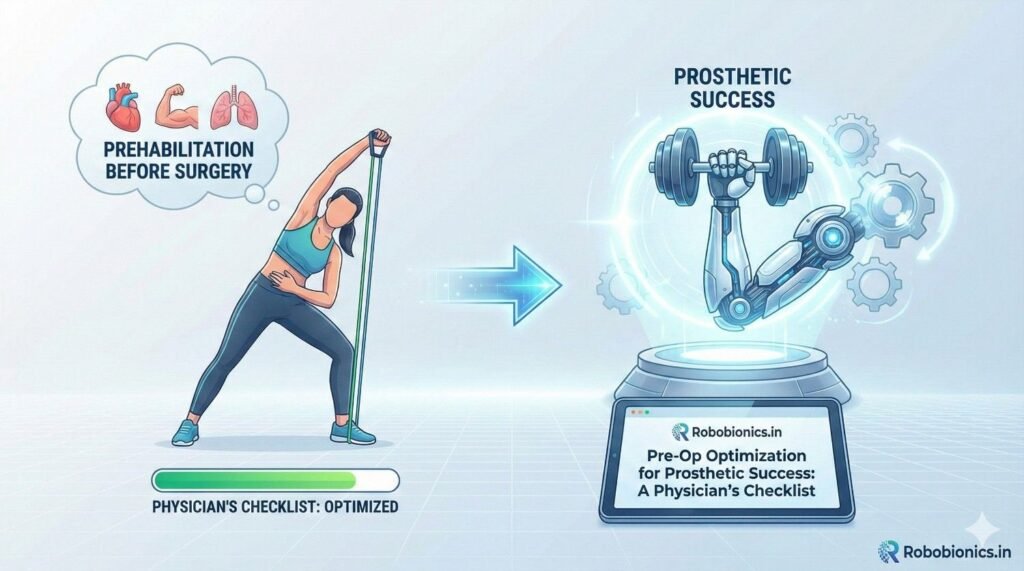
Prehab means starting therapy before surgery, not after. It prepares the body for what is coming. Patients who do prehab often heal faster and learn prosthetic use with less struggle.
This step is often missed because surgery feels urgent. Still, even a short period of prehab can improve strength, balance, and confidence.
Exercises before surgery do not need to be complex. Basic movements that improve strength and control are enough. The goal is to keep muscles active and joints free.
When patients feel stronger before surgery, they trust their body more after surgery. This trust supports faster learning.
Prehab also teaches patients how their body moves. This awareness helps later when they learn prosthetic control. They understand balance, weight shift, and posture better.
This learning reduces fear of movement and builds early confidence.
After surgery, the skin will face daily pressure from the prosthesis. Teaching skin care early helps prevent wounds later. Patients should know how to clean and check their skin.
Simple daily habits protect the limb and reduce clinic visits.
Patients should learn to inspect their limb daily. This habit catches small problems before they grow. Redness, pain, or swelling should never be ignored.
Early action saves comfort and prevents long breaks from prosthetic use.
Pain is a signal, not an enemy. Patients should understand when pain is normal and when it is not. This knowledge prevents both fear and neglect.
Clear guidance helps patients act at the right time.
All medicines should be reviewed before surgery. Some drugs affect healing or bleeding. Others may interact with pain medicines used later.
A clean and clear medication list improves safety.
Some medicines may need to be paused or changed. This should be planned early to avoid last-minute stress. Patients should understand why changes are made.
Clear reasons improve trust and compliance.
Pain control is important, but overuse can cause problems. Physicians should plan balanced pain care. Non-drug methods should be included when possible.
This approach reduces side effects and supports recovery.
Smoking and substance use slow healing and increase infection risk. Patients often underestimate this impact. Clear and direct explanation is needed.
Even short-term changes before surgery can improve results.
Patients should feel supported, not judged. Quitting is hard, especially during stress. Physicians should offer help and resources.
Kind guidance works better than strict warnings.
Patients are more motivated when they see the link to prosthetic use. Explaining how smoking affects socket comfort and skin health makes the message real.
When goals feel personal, change feels possible.
Family members often play a key role after surgery. Including them early builds understanding and teamwork. They learn what the patient will face.
This shared knowledge reduces confusion and stress later.
Caregivers should support, not take over. Patients need independence to grow. Clear roles help maintain dignity and motivation.
Healthy support strengthens recovery.
Simple home changes may be needed after surgery. Planning these early avoids last-minute pressure. Safety and ease of movement should guide decisions.
A ready home supports faster return to daily life.
Before surgery, baseline strength, movement, and pain should be noted. This helps track progress later. It also guides rehab planning.
Clear records support better decisions.
Goals should be specific and realistic. Vague hopes lead to disappointment. Clear goals give direction and purpose.
Progress feels meaningful when goals are clear.
Goals may change as recovery unfolds. Regular review keeps them relevant. This flexibility supports long-term success.
Growth is not a straight line, and plans should reflect that.
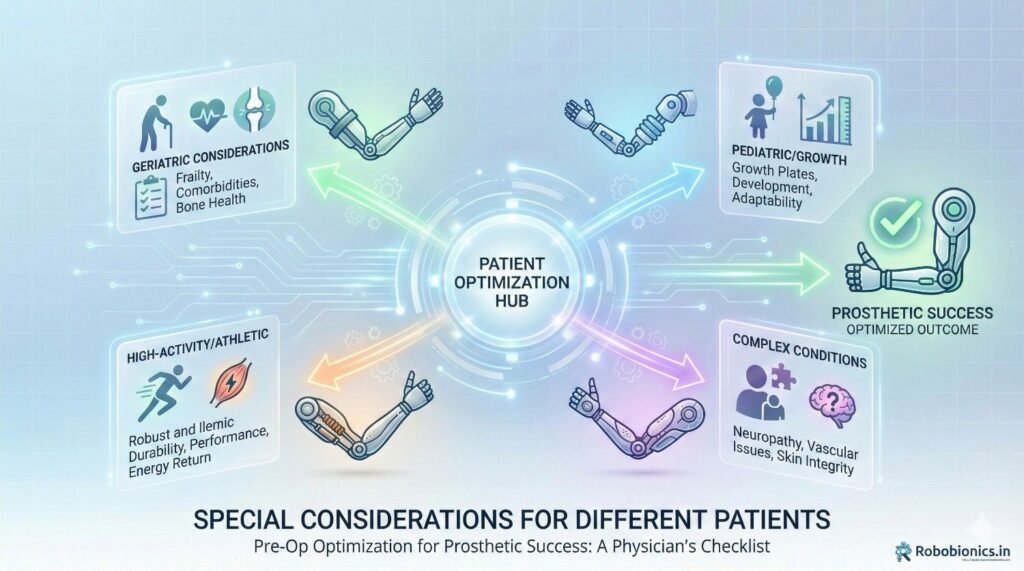
Older patients may heal slower and need more support. Balance, vision, and strength should be assessed carefully. Goals should focus on safety and comfort.
Success looks different for every age group.
Younger patients heal faster but may struggle emotionally. Body image and peer acceptance matter greatly. Honest talks are important.
Supporting identity is as important as supporting movement.
Trauma affects both body and mind. These patients may need extra emotional care. Patience and listening are key.
Healing must address the whole person.
Patients should know that rehab is a journey, not a quick step. Explaining stages reduces fear. They learn what effort is needed.
Prepared patients stay committed longer.
Prosthetic success takes time and practice. This should be stated clearly. There are no shortcuts.
Honest timelines prevent frustration.
Daily effort matters more than perfect performance. Patients should be encouraged to stay consistent. Missed days happen, and that is okay.
Progress comes from steady work.
The body should be stable, nourished, and mobile. Red flags should be addressed before surgery. Readiness is not just absence of illness.
Strength and flexibility matter.
The patient should understand the plan and accept the journey ahead. Fear should be acknowledged and addressed. Confidence grows from clarity.
The care team should be aligned and prepared. Equipment, referrals, and follow-ups should be planned. Gaps in care cause delays.
Strong systems support strong outcomes.
Speed often leads to problems. Taking time before surgery saves time later. Patience is a clinical skill.
Good outcomes reward careful planning.
Patients know their body and fears. Ignoring their input breaks trust. Listening improves care quality.
Respect builds cooperation.
Prosthetics should guide early decisions, not follow them. Late planning limits options. Early focus expands success.
Function should shape the plan.
Physicians should ask about goals, fears, and daily life. These answers guide care. Medical facts alone are not enough.
Understanding the person improves outcomes.
Good prosthetic results come from teamwork. Physicians should connect early with prosthetists and therapists. Shared planning reduces errors.
No single role can do it all.
Care does not end at surgery. Ongoing follow-up catches problems early. This commitment shows patients they are not alone.
Continuity builds trust and success.
Pre-op optimization is not about perfection. It is about thoughtful steps taken early. These steps shape years of prosthetic use.
Preparation is an act of care.
When done right, pre-op care restores more than movement. It restores confidence, dignity, and independence. This is the true goal of prosthetic care.
Every good outcome starts before surgery.
Many physicians focus on getting the patient safely through surgery. While this is essential, prosthetic success depends on decisions made weeks or even months earlier. These decisions shape comfort, control, and long-term use far more than the surgery date itself.
Thinking ahead means asking how the patient will live with the prosthesis every single day. It means planning not only for healing, but for function, work, family life, and social confidence.
A prosthesis must fit the patient’s real life, not an ideal image. Physicians should understand how active the patient is, what work they do, and what tasks matter most to them. A farmer, an office worker, and a student will all need different outcomes.
When medical planning matches daily needs, patients use their prosthesis more and abandon it less often.
Every patient is different in body, mindset, and support system. Applying the same plan to everyone leads to poor results. Personalization does not require complexity, only attention.
Small adjustments based on the individual often prevent large problems later.
Swelling before surgery may seem minor, but it often continues after surgery and delays prosthetic fitting. Excess swelling affects limb shape and skin tolerance. If ignored early, it becomes harder to control later.
Reducing swelling before surgery sets the stage for faster prosthetic readiness.
Elevation, gentle movement, and compression when appropriate can reduce swelling. These methods are simple but effective. Patients should be taught how and why to use them.
Clear instructions improve follow-through and results.
Patients often want quick fixes. Physicians should explain that swelling control takes time. Steady effort brings better results than rushed actions.
Understanding builds cooperation.

Bone strength matters for long-term comfort and load bearing. Poor bone quality increases pain and risk of injury. Early assessment helps guide surgical and rehab planning.
Strong bones support confident movement.
Bone pain can limit prosthetic use. Proper surgical shaping and early weight management reduce this risk. Physicians should think ahead to how forces will travel through the limb.
Comfort supports consistency.
A prosthesis is not used for weeks, but for years. Bone health today affects comfort years later. Early planning protects future function.
Long-term thinking is key.
Many patients fear pain, failure, or being judged. These fears are often unspoken. Physicians should create space for honest talk.
When fears are named, they lose power.
Simple explanations about prosthetic training reduce anxiety. Patients should know that struggle is normal and improvement is gradual. This honesty builds trust.
Fear drops when the unknown becomes known.
Hearing about others who adapted well gives hope. These stories should be realistic, not exaggerated. Authentic examples inspire effort.
Hope drives persistence.
Cultural views on disability and medical care affect acceptance. Physicians should be aware and respectful. Dismissing beliefs damages trust.
Respect opens doors to cooperation.
Some patients fear social judgment more than physical limits. This fear affects prosthetic use in public. Open discussion helps patients prepare emotionally.
Confidence grows with support.
Support groups and peer connections can help greatly. Physicians should guide patients to these resources when possible. Shared experience reduces isolation.
Connection strengthens recovery.
Unexpected costs create stress and delay care. Physicians should encourage early discussion of prosthetic costs and follow-up needs. Transparency builds trust.
Surprises harm motivation.
Patients may need time to arrange funds or support. Early planning prevents rushed decisions. Financial readiness supports smoother care.
Preparation reduces anxiety.
Physicians should avoid promising results that depend on resources not yet secured. Honest limits protect trust. Patients value clarity over false hope.
Truth supports long-term relationships.
Not every patient is ready for advanced prosthetic technology. Learning ability, motivation, and support matter. Early assessment guides better matching.
Right fit matters more than high tech.
Advanced prosthetics require training and patience. Patients should know this early. Clear explanation prevents later frustration.
Learning is a process, not a switch.
Matching device choice to patient ability improves success. Overloading patients leads to abandonment. Simpler solutions often work better.
Function beats features.
Good records help the entire care team. Details about goals, concerns, and plans should be documented clearly. This reduces confusion later.
Clarity supports teamwork.
Information should move smoothly between physicians, surgeons, prosthetists, and therapists. Gaps lead to errors. Early sharing prevents delays.
Communication saves time and effort.
Plans should evolve as the patient progresses. Updates should be documented clearly. Flexibility improves care quality.
Care is dynamic, not fixed.
Setbacks are common in prosthetic journeys. Patients should be told this early. Knowing this prevents discouragement.
Realistic framing supports resilience.
Patients should learn how to respond to issues like pain or skin irritation. Simple steps and clear contacts help. Empowerment reduces panic.
Prepared patients cope better.
Physicians should emphasize ongoing support. Knowing help is available builds confidence. Patients should never feel abandoned.
Support sustains progress.

Every decision should serve the patient’s long-term well-being. Shortcuts often harm later outcomes. Ethical care requires patience and honesty.
Integrity builds trust.
Patients should be part of all major decisions. Informed choice is a right, not a formality. Respect improves engagement.
Shared decisions lead to shared success.
Physicians should inspire hope without hiding challenges. Balanced messaging builds strength. Patients can handle truth when it is delivered with care.
Honesty empowers.
Pre-op optimization is an investment in future function. Time spent early saves years of struggle later. This mindset changes care quality.
Preparation pays dividends.
When pre-op care becomes standard, outcomes improve across systems. Physicians set this culture through their actions.
Leadership shows in preparation.
Success should be measured by comfort, use, and quality of life. Surgery is only one step. Prosthetic success is the real goal.
Function defines success.
Healing the wound is only the first goal. The real outcome is how the patient lives months and years after surgery. Comfort, confidence, and daily use of the prosthesis define success more than surgical speed or technical precision alone.
Physicians who think beyond healing help patients return to life, not just recover from surgery.
Every choice before surgery shapes how the prosthesis will feel and function later. Limb shape, pain control, muscle balance, and patient mindset all come from early planning. Once surgery is done, many options are lost.
Pre-op care is the last point where change is easy and cost-effective.
Simple steps like clear education, early strengthening, and honest talks often matter more than advanced tests. These actions require attention, not extra resources. Consistency is more important than complexity.
Good care is often simple care done well.
Rushing surgery without preparation often leads to delays later. Poor healing, pain, and prosthetic trouble slow the entire journey. Taking time early speeds up long-term recovery.
Time invested early always returns value.
Patients reveal their fears, goals, and limits when given space. These details guide better care than assumptions. Listening builds trust and improves follow-through.
Good medicine begins with attention.
Amputation affects identity, not just anatomy. Physicians should acknowledge emotional impact alongside physical loss. Respectful care improves cooperation and outcomes.
Human care creates human results.
No single professional controls the outcome alone. Surgeons, physicians, prosthetists, therapists, and caregivers all shape success. Early coordination prevents late conflict.
Strong teams reduce patient burden.
Each team member should know their role before surgery. Overlap causes delay, and gaps cause errors. Clear planning keeps care smooth.
Order supports quality.
When the team shares clear goals, decisions become easier. The focus stays on function, comfort, and dignity. This alignment improves patient trust.
Unity reflects professionalism.
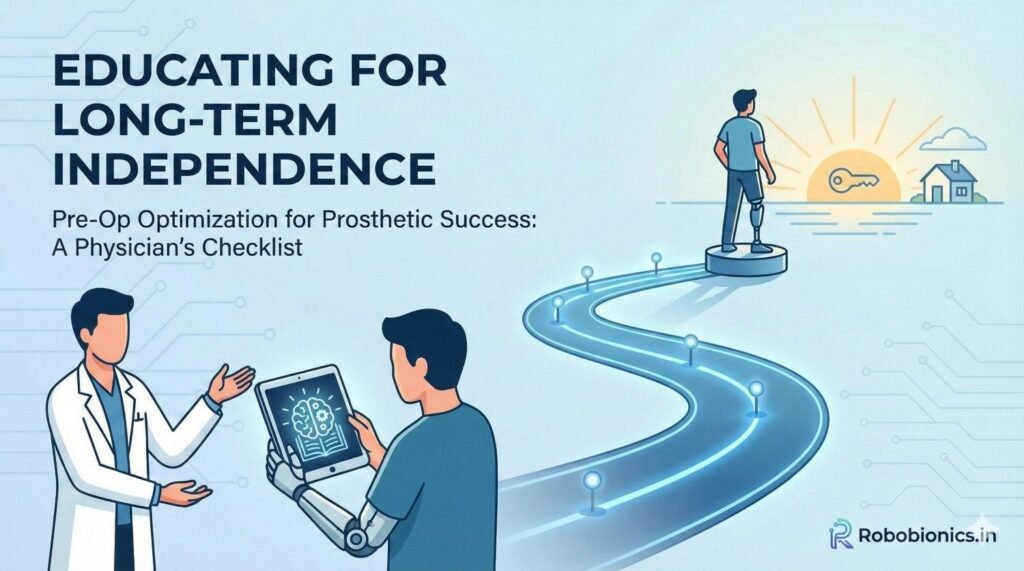
Patients need to understand why they do things, not just what to do. This understanding builds independence. Rules without reason are often ignored.
Knowledge empowers action.
A prosthesis is not a one-time solution. It needs care, review, and adjustment. Patients should be prepared for this reality early.
Awareness prevents disappointment.
Patients who take ownership adapt better. Physicians should encourage active participation, not passive compliance. Partnership improves results.
Shared responsibility strengthens outcomes.
A perfect surgery means little if the prosthesis is not used. Comfort, daily wear time, and task ability matter more than clinical scores.
Use defines value.
Confidence, social participation, and independence should guide success measures. These outcomes reflect real-world impact.
Life quality is the true goal.
Regular review catches problems early and builds trust. Follow-up should be expected, not optional. Ongoing care supports sustained use.
Continuity completes treatment.
Patients who are not educated early often fear prosthetic use. Fear leads to avoidance and abandonment. Early clarity prevents this pattern.
Understanding reduces resistance.
Revision surgeries often trace back to poor early planning. These procedures increase cost and emotional strain. Prevention is always better.
Foresight saves suffering.
Unaddressed anxiety or depression slows healing and learning. Mental care is not separate from physical care. Both must move together.
Whole-person care works best.
Patients value truth over reassurance. Honest timelines and limits build trust. Trust improves cooperation.
Truth is a clinical tool.
Patients facing limb loss are vulnerable. Respectful language and shared decisions preserve dignity. Dignity supports healing.
Care is more than treatment.
Physicians have a responsibility to guide patients beyond the operating room. Walking away too early harms outcomes. Commitment defines professionalism.
Care should not stop at discharge.
Pre-op optimization should not be optional or rushed. It should be a standard part of prosthetic planning. Systems that adopt this see better outcomes.
Standards shape success.
Young physicians should be taught to think function-first. Education should include prosthetic outcomes, not just surgical skill. This mindset improves future care.
Teaching shapes culture.
Every well-prepared surgery builds a better future for the patient. Independence, confidence, and dignity are the true rewards of careful planning.
Preparation changes lives.
Pre-op optimization is not extra work. It is the work that matters most. It turns surgery into success and devices into daily tools of independence. When physicians take this phase seriously, patients feel the difference for years.
Prosthetic success does not begin after surgery. It begins with preparation, clarity, and care long before the first incision is made.
For many clinicians, the surgery is only the first step. What happens after the operation

For trauma amputees, the journey does not begin at the prosthetic clinic. It begins much

Amputation after cancer is not just a surgical event. It is the end of one

When a child loses a limb, the challenge is never only physical. A child’s body