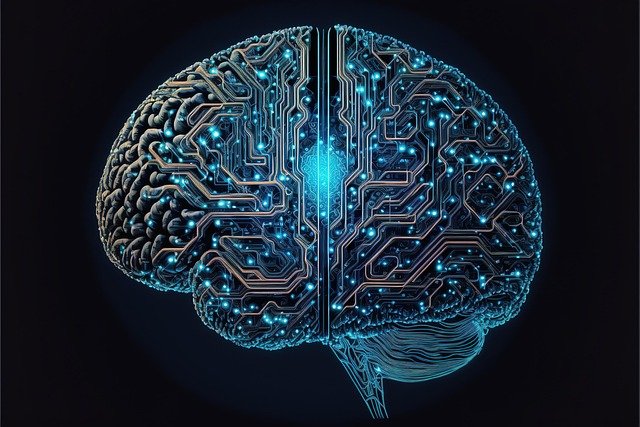
Every time a person learns to control a bionic limb, their brain is doing something remarkable. It’s not just moving muscles or responding to wires. It’s rewiring itself. This change is what we call neuroplasticity—the brain’s ability to adapt and build new connections after an injury or major life change. But neuroplasticity doesn’t happen the […]
Getting a prosthetic fitted is a major step, but it doesn’t always mean a patient will use it for life. Many stop using their devices because they feel unnatural, uncomfortable, or hard to control. The issue often isn’t the prosthetic—it’s how the brain interacts with it. This is where neuroplasticity comes in. The brain has […]
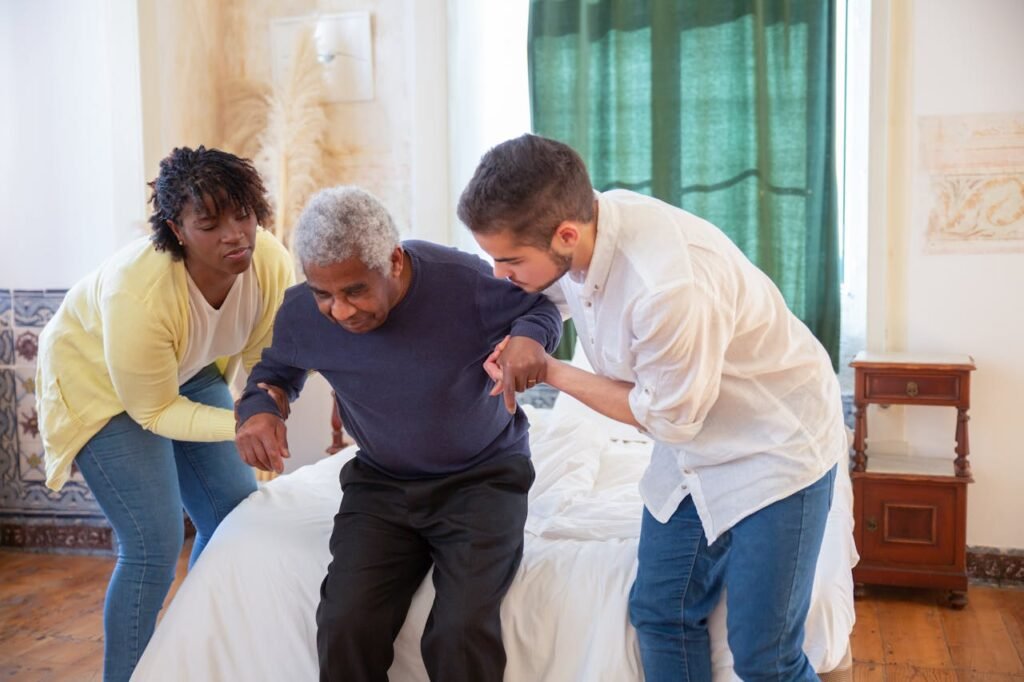
When someone loses a limb, the body changes right away—but the brain takes longer to catch up. Many patients say they can still feel their missing hand, foot, or fingers. These feelings might be tingling, itching, pressure, or even pain. It can be confusing or even frightening if no one tells them why it’s happening. […]
When a patient loses a limb, the physical change is clear. But what happens inside the brain is often less understood—and yet just as important. The brain does not simply move on. It starts working in new ways. It adjusts, adapts, and rewires itself to make sense of what’s changed. For clinicians, understanding this rewiring […]
Helping someone learn to use a bionic hand is not just about technology. It’s about the brain. Even the most advanced prosthetic needs one important thing to work well: a brain that knows how to control it. When a person loses a hand, their brain doesn’t forget it. The signals are still there. The challenge […]