When we watch someone walk, we often notice how smooth or natural their steps look. For people using prosthetics, this simple movement can be the hardest thing to achieve. It’s not just about being able to walk. It’s about walking in a way that feels—and looks—natural. That’s where multi-axial joints come in. Multi-axial joints are […]

Every step we take sends a little jolt through our legs. For someone using a lower-limb prosthetic, that jolt feels different — sometimes sharper, sometimes heavier, and often more tiring. It’s not just about walking or standing. It’s about comfort, balance, and long-term health. That’s where shock absorption comes in. Shock absorption in prosthetics isn’t […]
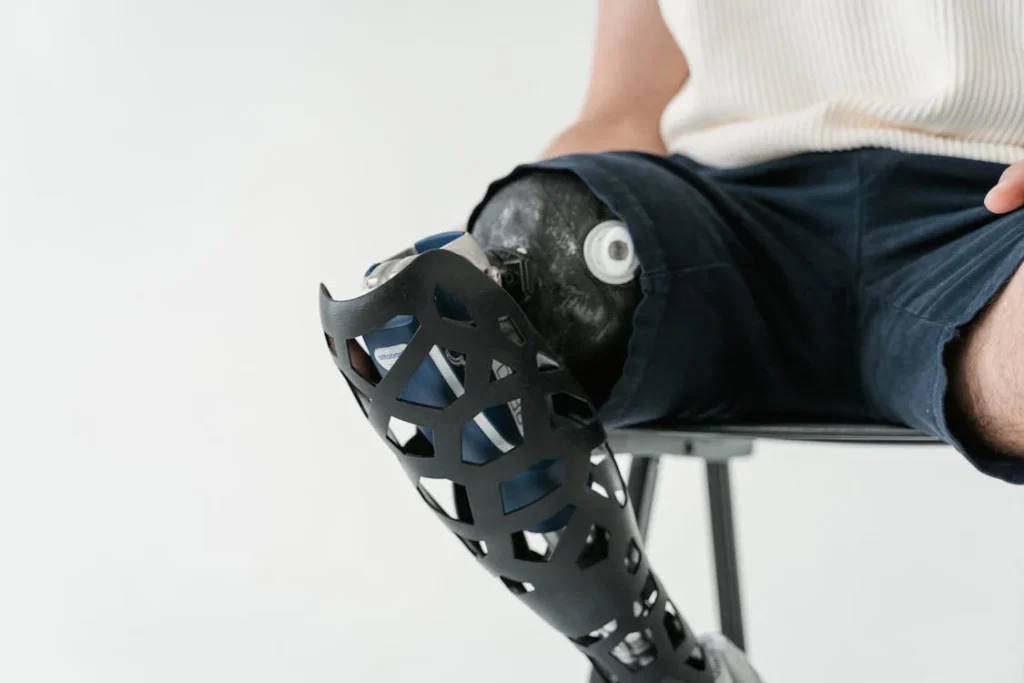
Losing a leg above the knee changes everything. Walking becomes harder. Sitting down and standing up take more time. Going up stairs or slopes can feel nearly impossible. For many people, it’s not just about movement—it’s about feeling independent again. That’s where microprocessor knees come in. These knees are not just joints. They are smart […]

For most people, walking feels simple. You stand up, move your legs, and off you go. But if you’ve lost a leg, walking becomes a whole new world. Each step takes thought. Every movement demands effort. That’s why modern prosthetic technology isn’t just about replacing a limb — it’s about recreating natural motion in the […]
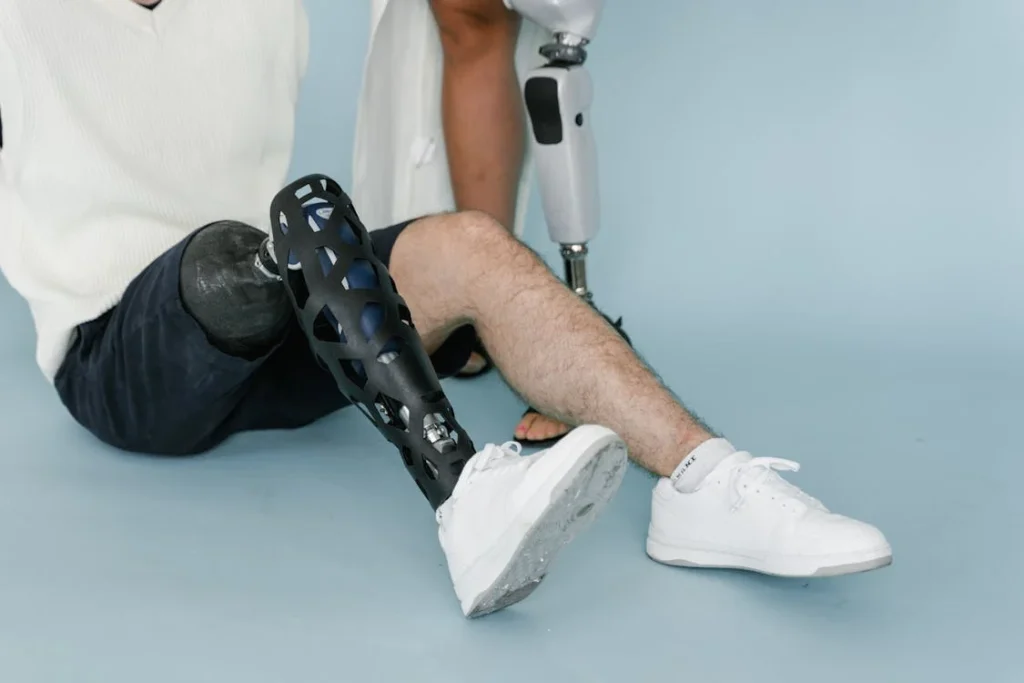
When someone begins using a prosthetic limb, they often focus on how it looks or whether it feels comfortable. But there’s something even more important happening beneath the surface—alignment. Prosthetic alignment is the careful positioning of the artificial limb in relation to the rest of the body. If it’s off by even a small amount, […]