Post-Op Follow-Up Schedule That Prevents Prosthetic Delays (For Clinicians)
For many clinicians, the surgery is only the first step. What happens after the operation



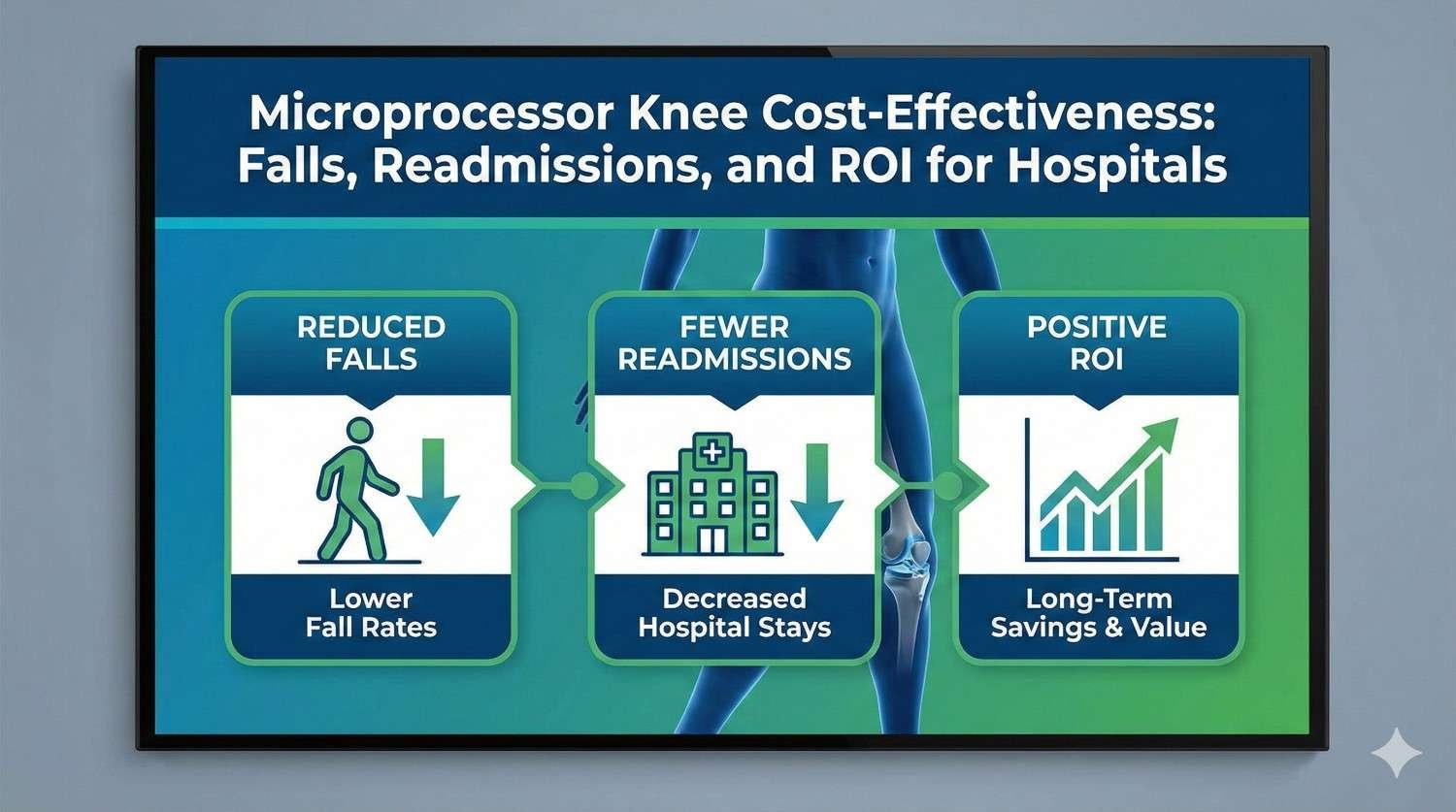
Microprocessor knees often get discussed as premium technology, but hospitals look at them through a very different lens. The real questions are about falls, readmissions, length of stay, staff time, and long-term costs. In simple terms, do these knees reduce risk, improve outcomes, and make financial sense for hospitals in India?
This article is written for hospital leaders, orthopaedic surgeons, rehab teams, and prosthetic decision-makers who want clear answers, not marketing noise. We will look closely at how microprocessor knees affect patient safety, hospital workload, and return on investment. The focus will stay practical, grounded in Indian realities, and useful for real decisions inside hospitals.
Hospitals often first see microprocessor knees as expensive devices meant only for select patients.
This narrow view misses the larger picture, where costs are spread across falls, complications, readmissions, staff workload, and patient dissatisfaction.
When these hidden factors are added, the discussion shifts from device price to system impact.
Cost-effectiveness begins when hospitals look at total care, not just prosthetic procurement.
For hospitals, lower limb amputees are not just prosthetic users, but high-risk patients.
They face higher chances of falls, delayed mobility, extended rehab stays, and repeat admissions.
Each of these events increases cost, consumes staff time, and affects quality metrics.
Microprocessor knees directly influence these risk points.
Indian hospitals are under pressure to improve outcomes while controlling costs.
With insurance penetration increasing and audits becoming stricter, outcome-based decisions matter more than before.
Microprocessor knees are no longer niche technology; they are becoming part of serious hospital planning.
Understanding their value is now a leadership responsibility.
A microprocessor knee uses sensors and a small computer to adjust knee resistance in real time.
It responds to how fast the patient walks, changes speed, or stumbles.
This constant adjustment helps the knee behave more like a natural leg.
The result is smoother, safer movement across different situations.
Mechanical knees follow fixed patterns and do not adapt to sudden changes.
If a patient trips or missteps, the knee may not respond fast enough.
This limitation increases the risk of falls, especially in crowded or uneven environments.
Microprocessor knees are designed to reduce this exact risk.
Indian walking conditions are unpredictable, with uneven roads, stairs, crowds, and variable lighting.
Patients often walk barefoot at home or carry loads at work.
A knee that adapts dynamically offers better safety in these real-world settings.
This adaptability directly affects hospital outcomes after discharge.
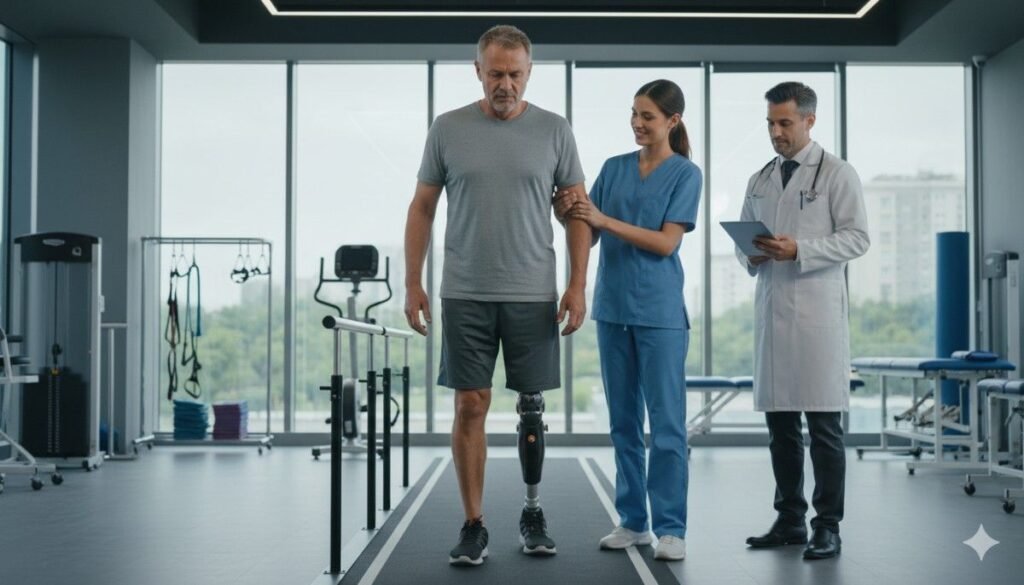
A single fall can undo weeks of rehabilitation progress.
Falls often lead to fractures, soft tissue injuries, or fear of walking.
These events increase hospital stays and require more imaging, surgery, and therapy.
The cost extends far beyond the initial incident.
Patients using mechanical knees often report instability during walking and turning.
Fear of falling leads to cautious movement, which can paradoxically increase risk.
In hospital settings, staff must closely monitor these patients.
This supervision increases nursing and therapy burden.
Microprocessor knees detect abnormal movement patterns instantly.
They increase resistance during stumbles, preventing knee collapse.
This feature significantly lowers the chance of uncontrolled falls.
For hospitals, fewer falls mean fewer complications and better safety scores.
Many amputee readmissions are triggered by falls after discharge.
Patients return with injuries, pain, or loss of confidence.
Each readmission adds cost and affects hospital performance metrics.
Preventing falls directly reduces this burden.
Patients who feel stable walk earlier and with more confidence.
Microprocessor knees support faster functional mobility during rehab.
This progress allows clinicians to plan discharge more predictably.
Shorter stays free up beds and reduce per-patient costs.
With mechanical knees, some patients hit progress plateaus due to fear or instability.
Therapy sessions become repetitive rather than progressive.
Microprocessor knees allow continuous advancement in gait training.
This efficiency improves rehab throughput for hospitals.
Unstable patients require close supervision during transfers and walking.
This increases nursing time and risk of staff injury.
Microprocessor knees reduce patient dependence on constant monitoring.
This frees staff to focus on other clinical tasks.
Therapists spend less time managing fear and instability.
Sessions can focus on strength, endurance, and real-life movement.
Progress becomes measurable and motivating.
Better outcomes are achieved in fewer sessions.
Falls often trigger emergency responses within the hospital.
These events disrupt workflow and increase stress across departments.
Reducing fall incidents creates a calmer, safer care environment.
This operational stability has real value.
Confidence is often ignored in cost calculations.
Yet it directly affects mobility, participation, and rehab success.
Patients who trust their knee walk more and practice more.
This leads to better outcomes at lower overall cost.
Fear of falling can limit activity even without injury.
Patients may avoid stairs, outdoor walking, or work.
This avoidance increases dependence and long-term healthcare use.
Microprocessor knees help break this cycle.
Patient experience is increasingly tracked and reported.
Feeling safe and confident strongly influences satisfaction.
Hospitals that deliver smoother recovery earn better reputations.
This indirectly affects patient inflow and partnerships.
Microprocessor knees cost more at procurement.
However, lifecycle costs include falls, readmissions, and extended care.
When these are considered, the gap narrows significantly.
Hospitals must compare total pathways, not isolated items.
Modern microprocessor knees are durable and serviceable.
Scheduled maintenance is predictable and manageable.
Unexpected breakdowns are less common than feared.
This reliability supports long-term planning.
Insurance providers are slowly recognizing outcome-based value.
Devices that reduce complications align with payer goals.
Hospitals prepared with data can justify these choices better.
Strategic adoption supports future reimbursement models.
Fewer falls reduce emergency care, imaging, and surgery costs.
Shorter stays improve bed turnover and revenue efficiency.
Lower readmissions protect hospital margins.
These savings accumulate quietly but consistently.
Staff efficiency improves when patients are safer.
Rehab departments can treat more patients with the same resources.
Workflow disruptions decrease.
These gains improve overall hospital performance.
Hospitals known for advanced, safe rehabilitation attract referrals.
Strong outcomes support partnerships with insurers and NGOs.
Technology adoption signals commitment to quality care.
This positioning has long-term financial value.
Elderly patients and those with balance issues benefit greatly.
Reducing falls in this group saves substantial resources.
Microprocessor knees deliver clear value here.
Targeted use maximizes return.
Patients returning to work reduce dependency faster.
Stable mobility supports consistent employment.
This reduces long-term care needs.
Hospitals see fewer follow-up complications.
Those navigating stairs, slopes, or uneven ground daily face higher risk.
Microprocessor knees adapt better to these challenges.
Safer daily movement means fewer problems later.
Environmental context matters for ROI.
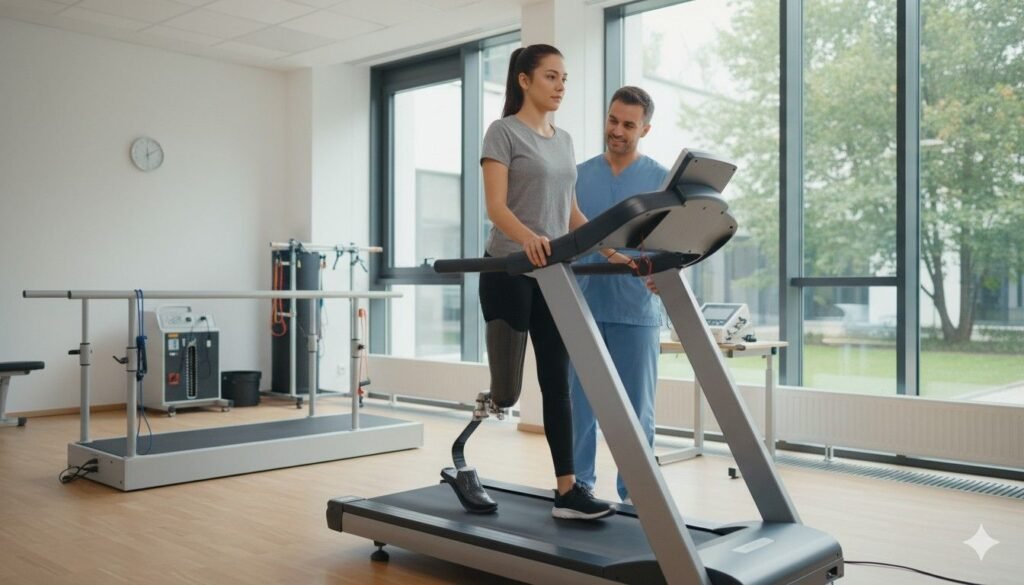
Across Indian hospitals, there is increasing awareness that falls among lower limb amputees are not rare events but recurring cost drivers that quietly strain resources.
Clinical teams are noticing that even minor falls often trigger a chain reaction, including pain complaints, imaging, observation stays, and sometimes surgical intervention.
When these events are tracked over months, the cumulative cost becomes significant, even though each incident may seem manageable in isolation.
This growing visibility is pushing hospitals to look for preventive solutions rather than reactive care.
Many hospitals report that amputee readmissions frequently occur within the first six months after discharge, a period when patients are still adapting to their prosthetic limbs.
Mechanical knees often demand high attention during this phase, as patients struggle with confidence, balance, and variable walking conditions outside the hospital.
Microprocessor knees, by offering adaptive support, appear to reduce this vulnerable window by enabling safer early mobility.
This reduction in early readmissions has important financial and operational implications for hospitals.
Indian rehabilitation units often face pressure to shorten inpatient stays without compromising outcomes.
Patients using microprocessor knees tend to reach walking milestones earlier because they spend less time relearning balance after stumbles or near-falls.
This smoother progress allows therapists to advance programs more confidently, which helps hospitals meet discharge targets more reliably.
Over time, these small efficiency gains translate into meaningful capacity improvement.
Many hospitals begin using microprocessor knees only in exceptional cases, often driven by patient demand or external funding.
While this approach limits risk, it also prevents hospitals from fully realizing system-wide benefits.
A more structured adoption strategy allows teams to standardize assessment, training, and follow-up.
This consistency improves outcomes and makes cost–benefit analysis clearer.
Successful implementation starts with defining which patients are most likely to benefit.
Hospitals can develop criteria based on fall risk, activity level, cognitive ability, and environmental challenges.
Clear criteria prevent overuse while ensuring that high-impact cases are not missed.
This targeted approach strengthens both clinical and financial results.
Microprocessor knee success depends heavily on proper fitting and tuning.
Hospitals that integrate prosthetists into multidisciplinary teams see smoother transitions from surgery to rehabilitation.
Early involvement allows better alignment between surgical outcomes and prosthetic planning.
This collaboration reduces delays and improves patient confidence.
Introducing microprocessor knees requires more than device procurement.
Nurses, therapists, and doctors need basic understanding of how the technology behaves and what to expect during rehabilitation.
When staff feel informed, they are more confident supporting patients.
This confidence reduces hesitation and improves patient experience.
Some staff may view microprocessor knees as fragile or overly complex.
Clear education and exposure help dispel these myths.
When clinicians see patients walking more safely and independently, acceptance grows naturally.
Change becomes easier when benefits are visible.
Hospitals benefit from having simple protocols for monitoring progress and addressing issues.
Regular check-ins ensure that small problems are resolved before they escalate.
This proactive approach protects outcomes and avoids unnecessary interventions.
Consistency supports long-term value.
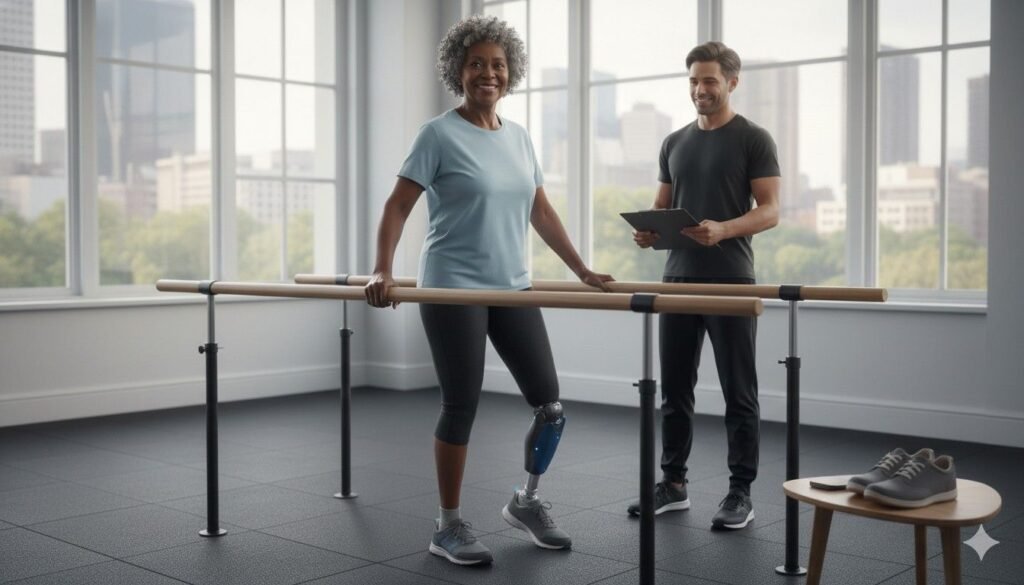
Hospital management often focuses on budgets and return on investment.
Clinicians can strengthen their case by linking microprocessor knees to reduced falls, shorter stays, and lower readmissions.
Presenting these benefits in operational terms resonates more than technical descriptions.
Clear framing helps secure leadership support.
Hospitals already collect valuable data on falls, length of stay, and readmissions.
By comparing outcomes between different prosthetic users, patterns begin to emerge.
Even small internal audits can reveal meaningful trends.
This evidence supports informed decision-making.
Many hospitals have quality improvement targets related to patient safety and adverse events.
Microprocessor knees align well with these goals by reducing fall risk.
Positioning adoption as a safety initiative strengthens its appeal.
Quality and cost benefits often move together.
Predictable patient progress makes scheduling and resource planning easier.
Therapy sessions become more structured and less reactive.
Staff stress decreases when unexpected setbacks are fewer.
This stability improves department performance.
Handling unstable patients increases the risk of staff injuries during transfers and ambulation.
Safer patient mobility reduces physical strain on nurses and therapists.
Lower staff injury rates translate into fewer absences and compensation claims.
This benefit is often overlooked but highly relevant.
Shorter and more predictable stays improve bed turnover.
Hospitals can accommodate more patients without expanding infrastructure.
This efficiency directly affects revenue and access.
Technology that supports this is strategically valuable.
Patients judge hospitals not only by treatment success but by how safe they feel during recovery.
Confidence in walking and movement strongly influences this perception.
Microprocessor knees contribute to a sense of security that patients remember.
Positive experiences enhance word-of-mouth reputation.
Families closely observe patient progress and safety.
When they see steady improvement without repeated scares, trust grows.
This trust reflects positively on the hospital.
Family confidence often influences future care decisions.
Hospitals offering advanced rehabilitation options stand out.
Microprocessor knee adoption signals commitment to modern, patient-centered care.
This differentiation attracts referrals and partnerships.
Brand strength has long-term financial impact.
Concerns about device failure are common but often exaggerated.
Modern microprocessor knees undergo rigorous testing and quality checks.
Regular servicing and monitoring further reduce risk.
Education and experience build confidence quickly.
Not every patient is an ideal candidate, and that is acceptable.
Clear assessment ensures appropriate use.
Selective adoption improves outcomes and avoids disappointment.
Fit matters more than volume.
Hospitals do not need to adopt microprocessor knees for all patients at once.
Phased implementation allows learning and adjustment.
Early successes build momentum and support expansion.
Gradual adoption reduces financial strain.

Healthcare systems are moving toward measuring value rather than volume.
Devices that reduce complications align with this direction.
Microprocessor knees fit well into outcome-based models.
Early adoption prepares hospitals for future expectations.
Hospitals with strong outcome data can engage insurers more effectively.
Demonstrating reduced readmissions strengthens reimbursement discussions.
Microprocessor knees can become part of negotiated care pathways.
Data-driven collaboration benefits all stakeholders.
Preventing falls and complications is more effective than managing them.
Microprocessor knees support this preventive approach.
Hospitals that invest in prevention often see sustained gains.
This mindset improves both care quality and financial health.
Hospitals should begin by clarifying what they want to improve, rather than starting with the device itself.
Common goals include reducing inpatient falls, lowering readmissions, improving rehab efficiency, and protecting staff from injury.
When microprocessor knees are evaluated against these goals, their relevance becomes clearer and more grounded.
This goal-first approach keeps decisions aligned with hospital strategy rather than individual preferences.
Microprocessor knees deliver the most value when they are embedded into defined care pathways.
This means identifying where in the patient journey instability, fear, and setbacks usually occur.
Hospitals can then introduce the technology at points where it prevents downstream problems.
Pathway-based thinking improves consistency and outcomes.
Hospitals do not need to adopt microprocessor knees universally to see strong returns.
Selective use in high-impact cases often delivers the best early results.
Over time, criteria can be refined based on internal data and experience.
This measured approach balances innovation with responsibility.
Hospital leadership responds best when clinical improvements are tied to measurable financial outcomes.
Reduced falls translate into fewer emergency interventions, imaging studies, and surgical procedures.
Shorter stays improve bed availability and revenue efficiency.
These links should be made explicit in internal discussions.
A strong business case does not rely on optimistic projections.
Even modest reductions in falls or length of stay can justify investment when scaled across patients.
Conservative assumptions build credibility and reduce resistance.
Leadership trust grows when projections are realistic.
Hospitals carry reputational and legal risk related to inpatient falls.
Technology that demonstrably reduces these risks has value beyond direct cost savings.
Risk reduction supports accreditation, audits, and public trust.
This dimension should be part of ROI conversations.
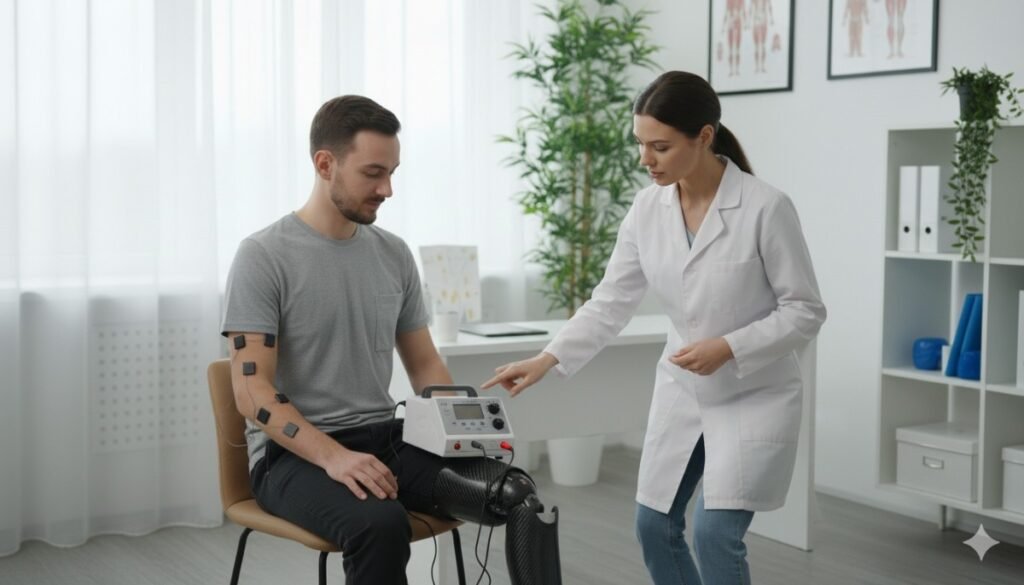
Hospitals should track metrics that reflect both safety and efficiency.
Fall incidence, readmission rates, length of stay, and rehab progression are strong indicators.
Patient confidence and satisfaction scores also provide valuable insight.
Clear metrics guide continuous improvement.
Meaningful evaluation requires comparing outcomes before and after microprocessor knee adoption.
Even small sample sizes can reveal trends when tracked carefully.
These comparisons help refine patient selection and protocols.
Data-driven learning strengthens long-term value.
When results are shared openly, staff engagement improves.
Therapists, nurses, and doctors feel invested in success.
This shared ownership supports sustained improvement.
Culture matters as much as technology.
Hospitals must consider how advanced technology fits into broader access goals.
Selective use based on risk and benefit helps maintain fairness.
Transparent criteria prevent perceptions of favoritism.
Equity strengthens institutional integrity.
Some hospitals work with insurers, NGOs, or CSR programs to support access.
Microprocessor knees with strong outcome data are easier to justify for funding.
Partnerships expand reach without overburdening hospital budgets.
Collaboration amplifies impact.
Clear communication helps patients understand why certain options are recommended.
When benefits are explained in terms of safety and independence, acceptance improves.
Education reduces unrealistic expectations.
Informed patients engage better in recovery.
Advanced prosthetic integration elevates the role of rehabilitation departments.
Hospitals become known for comprehensive recovery, not just acute care.
This reputation attracts referrals and skilled staff.
Rehab excellence is a competitive advantage.
Healthcare is gradually shifting toward value-based reimbursement.
Technologies that reduce complications align with this direction.
Early adoption helps hospitals adapt smoothly to future models.
Preparation reduces disruption later.
Patient safety is increasingly visible and measurable.
Hospitals that invest in fall prevention demonstrate commitment to quality.
Microprocessor knees support this narrative convincingly.
Safety leadership builds long-term trust.
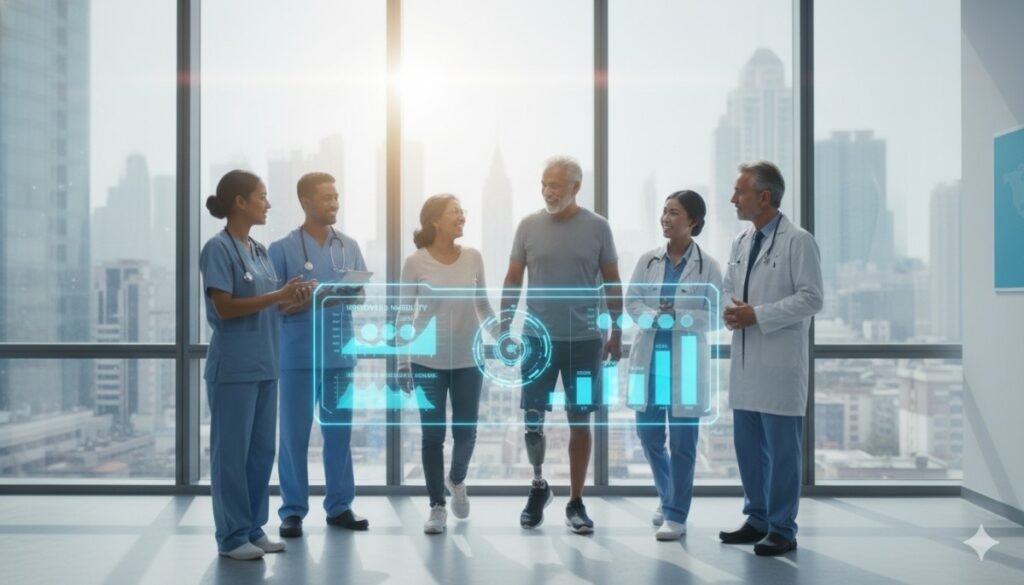
Looking only at device price leads to incomplete decisions.
Falls, readmissions, and staff time carry real costs.
Ignoring these factors undervalues preventive technology.
Total cost thinking is essential.
Even the best technology underperforms without proper integration.
Training staff and aligning workflows is critical.
Hospitals should plan for this upfront.
Integration protects investment value.
Benefits often increase as teams gain experience.
Early challenges are part of learning.
Continuous refinement improves outcomes over time.
Patience supports success.
Microprocessor knees are not just prosthetic upgrades; they are system-level safety tools.
They influence falls, confidence, rehab efficiency, and long-term outcomes in ways that matter deeply to hospitals.
When evaluated through a cost-effectiveness lens, their value often extends well beyond initial expectations.
For Indian hospitals facing rising demands and tighter margins, preventive investments carry increasing importance.
At RoboBionics, we work closely with hospitals and clinicians to understand these realities on the ground.
We see how safer mobility reduces strain on systems and improves lives at the same time.
The question is no longer whether microprocessor knees are advanced technology, but whether hospitals can afford the costs of instability, falls, and repeated care without them.
If you would like, we can next convert this into a hospital-ready ROI calculator, an executive summary for leadership teams, or a version tailored specifically for insurers and policy stakeholders.
For many clinicians, the surgery is only the first step. What happens after the operation
For trauma amputees, the journey does not begin at the prosthetic clinic. It begins much
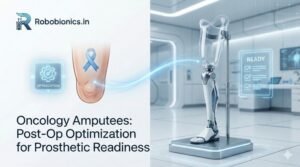
Amputation after cancer is not just a surgical event. It is the end of one
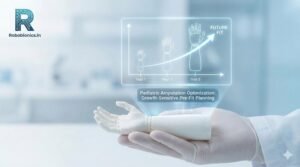
When a child loses a limb, the challenge is never only physical. A child’s body