Accessibility should be a fundamental right for all, yet it remains a challenge in many parts of the world. While laws and policies play a crucial role in making spaces and services more inclusive, cultural attitudes and traditions often have an even greater influence. In some societies, accessibility is widely embraced, and efforts are made […]

Religion has always played a major role in shaping human beliefs, including how people view disabilities and prosthetics. Across different cultures, religious teachings have influenced whether disabilities are seen as a burden, a divine test, or simply a natural part of life. Some traditions promote acceptance and care for people with disabilities, while others have […]
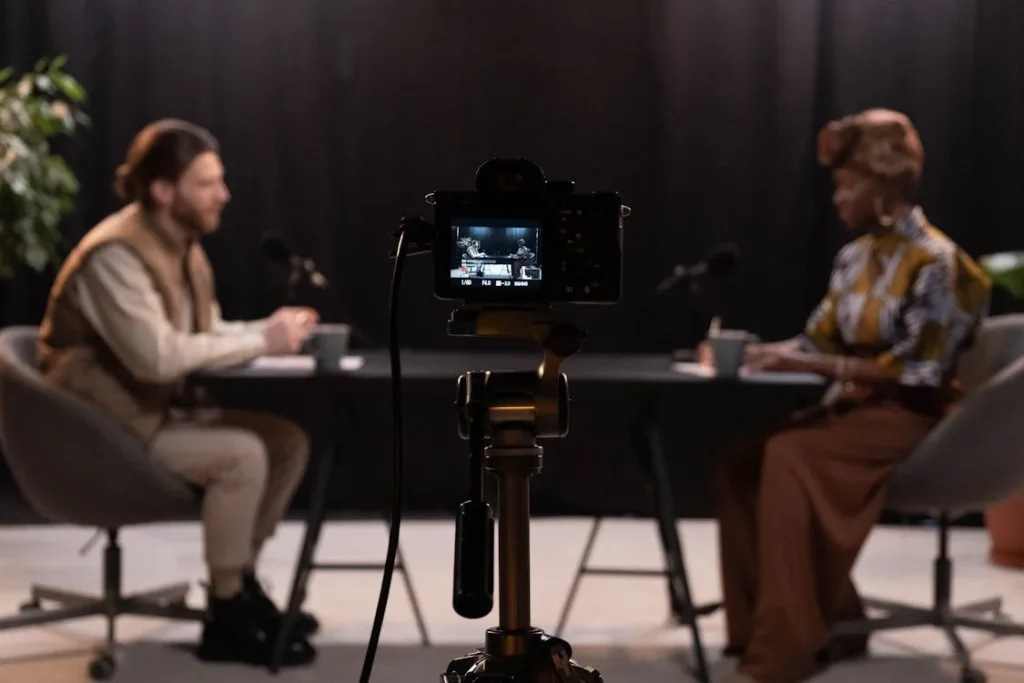
Prosthetics have fascinated people for centuries. Long before modern technology made advanced bionic limbs a reality, stories of artificial limbs appeared in myths, legends, and historical records. Whether in ancient tales of warriors with metal arms or futuristic visions of robotic hands, prosthetics have always been a symbol of resilience, adaptation, and human ingenuity. Popular […]
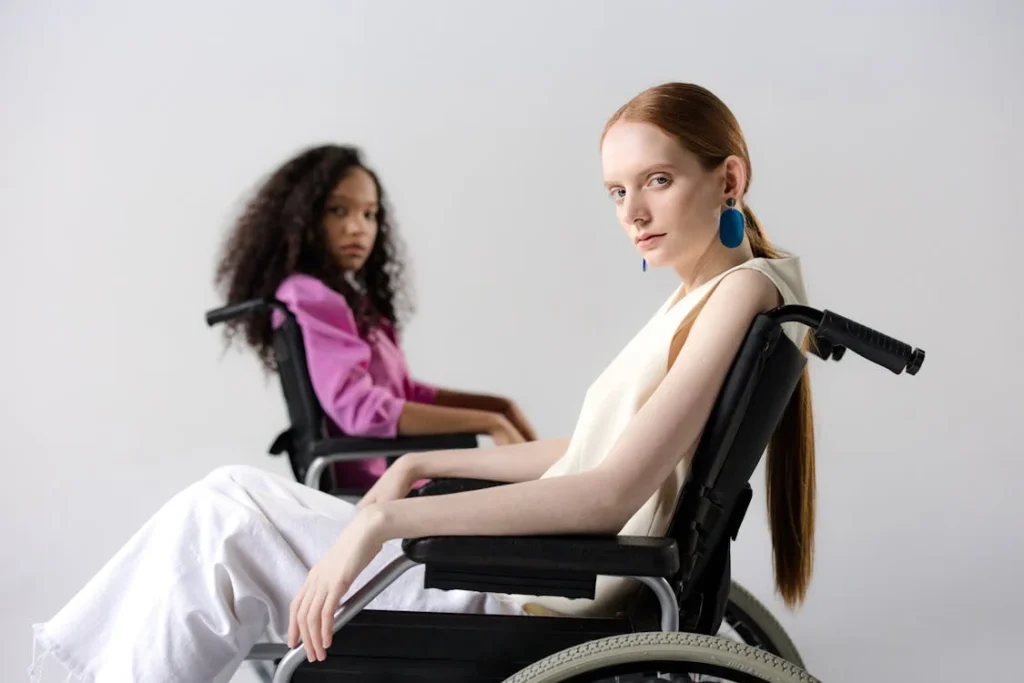
The way we see disability is shaped by the stories we hear, the movies we watch, and the news we read. Media and pop culture play a huge role in shaping public opinion. They influence how people with disabilities are treated and how they see themselves. From blockbuster movies to viral social media posts, disability […]
Disability is not just a physical or medical condition—it is also shaped by how society perceives it. Across different cultures, beliefs about disability influence whether individuals are accepted, supported, or excluded from mainstream life. While some societies promote inclusion and independence, others still view disability with stigma, fear, or misunderstanding. Cultural attitudes toward disability are […]