
Post-Op Follow-Up Schedule That Prevents Prosthetic Delays (For Clinicians)
For many clinicians, the surgery is only the first step. What happens after the operation



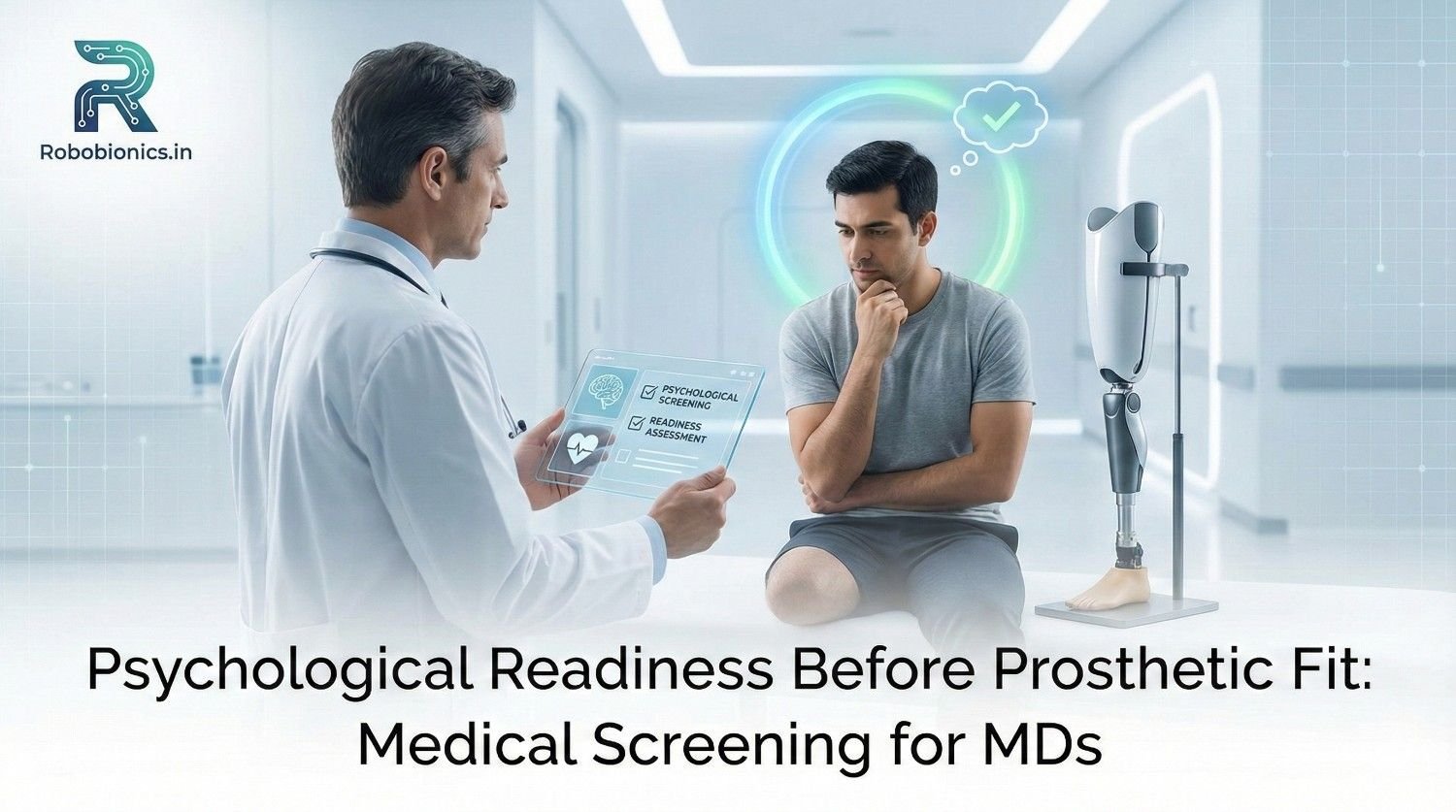
A prosthetic limb can restore movement, but it cannot replace emotional readiness. Many patients heal well on the outside yet struggle on the inside. Fear, grief, anxiety, and low confidence often surface just before prosthetic fitting, and when these issues are missed, even a well-made prosthesis can fail. Discomfort increases, training slows, and some patients stop using the device altogether.
This article is written for medical doctors who guide patients toward prosthetic fitting. It focuses on psychological readiness as a clinical factor, not a soft consideration. Simple screening, early conversations, and timely support can dramatically improve prosthetic acceptance and long-term use. When doctors prepare the mind alongside the body, patients walk into prosthetic fitting with confidence instead of doubt.
When a prosthesis fails, the reason is often labeled as poor fit or low motivation. In reality, the root cause is frequently emotional overload. Patients may feel pressured to perform before they feel ready.
Fear of pain, fear of falling, or fear of being seen differently all affect how a patient approaches prosthetic fitting. These fears change posture, effort, and tolerance.
Doctors who screen early prevent silent failure.
The brain controls balance, trust, and learning. If the mind is tense or withdrawn, the body resists new movement patterns.
Patients who are anxious tighten muscles and avoid full weight bearing. This leads to discomfort and poor training response.
Psychological readiness directly shapes physical outcomes.
Confidence is not personality based. It is shaped by information, support, and timing.
Patients who feel informed and supported tolerate discomfort better and learn faster. Those who feel rushed shut down.
Doctors influence confidence more than they realize.
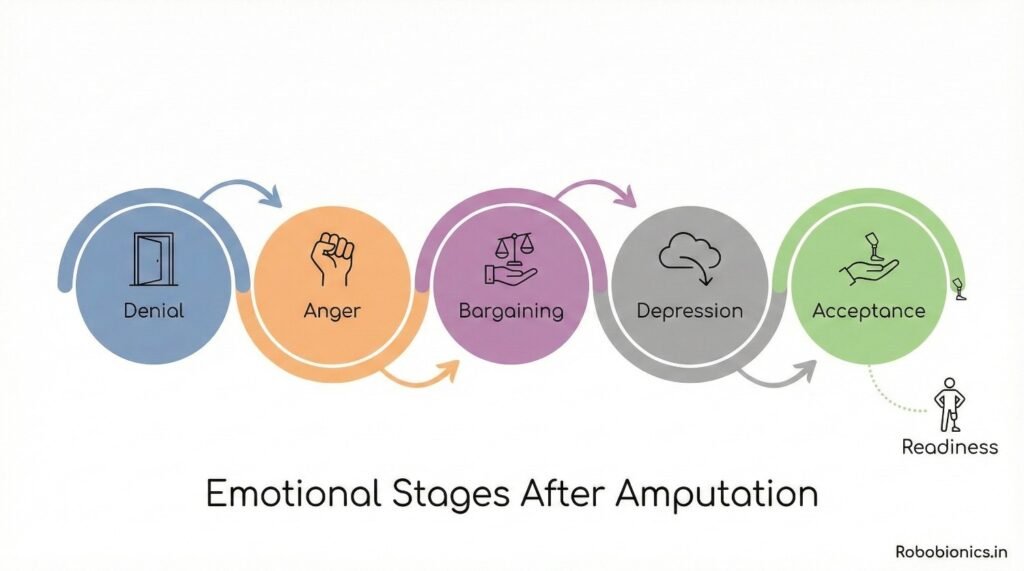
Amputation involves loss, and loss brings grief. This grief may show as sadness, anger, or emotional numbness.
Some patients grieve openly, while others appear calm but struggle internally. Both patterns are normal.
Doctors should expect grief, not be surprised by it.
Fitting a prosthesis too early can overwhelm a patient who is still processing loss. Fitting too late can reduce hope and motivation.
The right time is when the patient shows curiosity rather than fear. Emotional timing matters as much as wound healing.
Doctors should look for readiness cues, not just medical clearance.
In many Indian families, patients feel pressure to appear strong. They may hide distress to protect loved ones.
This hidden distress often surfaces during prosthetic training. Doctors should create private spaces for honest conversation.
Cultural sensitivity improves screening accuracy.
Many patients expect prosthetic fitting to be painful. This expectation increases muscle tension and lowers tolerance.
Fear of failure also plays a role. Patients worry they will disappoint doctors or family if they struggle.
Doctors should address these fears directly.
Changes in appearance affect self-esteem. Some patients avoid mirrors, social contact, or therapy sessions.
This anxiety reduces engagement during fitting and training. Patients may rush sessions or withdraw.
Acknowledging body image concerns reduces shame.
Amputation changes how patients see themselves. Roles at home and work may shift suddenly.
This identity shift affects motivation. Some patients feel unsure who they are now.
Doctors should recognize this transition as part of recovery.
Formal questionnaires have value, but simple conversations often reveal more. Patients open up when they feel heard.
Doctors should ask open questions and observe behavior. Hesitation, avoidance, or silence are important signals.
Screening does not need to be time-consuming.
Doctors can explore sleep, mood, and expectations in simple language. Asking how the patient feels about using a prosthesis often reveals readiness.
Listening matters more than fixing.
The goal is understanding, not diagnosis.
Persistent hopelessness, extreme fear, or withdrawal are signs that fitting should pause. These patients need support, not pressure.
Early referral prevents long-term disengagement.
Doctors should trust their instincts.
Doctors shape expectations through words and tone. Promising quick success creates pressure.
Explaining that learning takes time normalizes struggle. Patients relax when progress is framed as gradual.
Kind honesty builds trust.
Words like “practice” instead of “test” reduce anxiety. Emphasizing effort over outcome shifts focus.
Doctors should avoid comparisons between patients.
Individual journeys matter.
Patients often hold back questions due to fear of appearing weak. Doctors should invite questions repeatedly.
A safe space encourages honesty.
Honesty improves readiness.
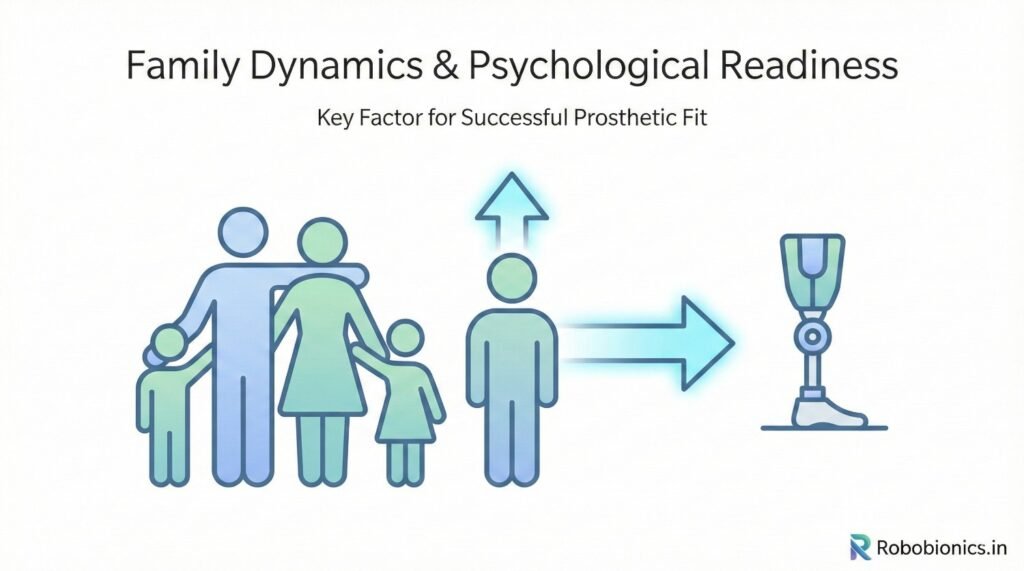
Families can motivate or overwhelm. Constant encouragement to “be normal again” may increase stress.
Doctors should guide families on supportive language and patience.
Balanced support improves outcomes.
Families often expect emotional recovery to match physical healing. This mismatch causes frustration.
Explaining emotional timelines reduces conflict.
Understanding builds patience.
Including family in conversations helps align expectations. It also reduces mixed messages at home.
Shared understanding supports the patient.
Doctors should involve families thoughtfully.
Anxious patients perceive pressure as pain. Calm patients tolerate the same pressure better.
This difference affects socket acceptance and training speed.
Mental state changes physical response.
Prosthetic use requires learning new movement patterns. Anxiety blocks learning.
Patients who feel ready adapt faster and retain skills longer.
Readiness accelerates training.
First experiences shape long-term behavior. A stressful first fit leads to avoidance.
A supported first fit builds confidence.
Doctors influence this experience.
Psychological screening works best when it feels routine, not special. When doctors ask about emotions as part of standard care, patients feel less judged.
Simple check-in questions during wound review or rehab planning are enough to start. Over time, these conversations build trust.
Routine screening normalizes emotional health as medical health.
Doctors do not need long sessions to screen effectively. A few focused questions about mood, sleep, and expectations reveal a lot.
How a patient answers matters as much as what they say. Tone, pauses, and body language often carry meaning.
Attention turns minutes into insight.
Psychological observations should be documented like physical findings. Notes about fear, confidence, or hesitation help the care team align.
Clear documentation prevents mixed messages later.
What is written guides action.
Patients who ask questions about function, daily use, or comfort often show readiness. Curiosity is a strong indicator of engagement.
They may still feel nervous, but they are willing to try. This willingness matters more than absence of fear.
Readiness is about openness, not bravery.
Patients who avoid discussion, express extreme fear, or appear withdrawn may not be ready. Rushing fitting in these cases often leads to failure.
Delaying is not denial. It is preparation.
Doctors should frame pauses as supportive steps.
Pausing prosthetic fitting must be explained carefully. Patients should understand that the pause protects success, not delays recovery.
Clear, kind language prevents loss of hope.
Hope must be preserved.
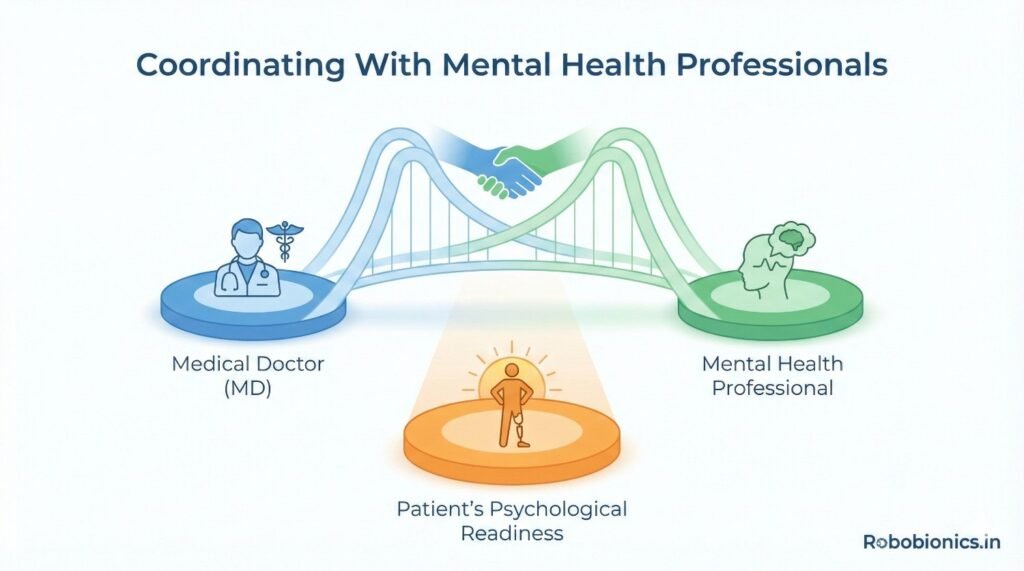
Some patients need more than reassurance. Persistent sadness, panic, or trauma responses require specialist support.
Early referral reduces suffering and improves readiness.
Doctors should view referral as collaboration, not escalation.
Mental health professionals help patients process loss, fear, and identity change. Their work complements medical and prosthetic care.
Doctors should share functional goals so therapy stays practical.
Teamwork improves outcomes.
Many patients resist referral due to stigma. Doctors can reduce this by framing support as skill-building, not treatment.
Language shapes acceptance.
Acceptance opens doors.
The first prosthetic fit is often uncomfortable and unfamiliar. Patients should know this in advance.
Explaining that adjustments are normal reduces disappointment.
Prepared patients cope better.
Prosthetic use is a skill, not an instinct. Struggle is part of learning.
Doctors should emphasize progress over perfection.
This mindset reduces self-blame.
Patients often expect rapid independence. When this does not happen, frustration builds.
Doctors should remind patients that confidence grows with time and practice.
Patience protects motivation.
Training often triggers strong emotions. Success brings joy, while difficulty can trigger anger or sadness.
These responses are normal and temporary.
Doctors should reassure patients and therapists alike.
Intense training schedules can overwhelm patients emotionally. Signs include irritability, withdrawal, or refusal to practice.
Adjusting pace restores engagement.
Listening prevents burnout.
Praise should focus on effort and persistence, not just performance. This builds resilience.
Patients who feel valued keep trying.
Recognition fuels progress.
Psychological challenges do not end with fitting. New issues appear once patients return to daily life.
Follow-up visits should include emotional check-ins.
Continuity supports adaptation.
Setbacks are common. Socket discomfort, fatigue, or social reactions may affect mood.
Doctors should normalize setbacks and problem-solve together.
Support prevents abandonment.
Acceptance grows with positive experiences over time. Doctors should encourage gradual goals and celebrate milestones.
Small wins build confidence.
Confidence sustains use.
Elderly patients may fear falling or becoming a burden. These fears reduce willingness to try prosthetics.
Gentle reassurance and realistic goals help.
Respect builds trust.
Younger patients often worry about work, relationships, and social identity. They may hide distress behind determination.
Private conversations reveal true concerns.
Addressing these concerns improves engagement.
Sudden loss leaves little time to adjust emotionally. Trauma-related anxiety is common.
These patients need extra preparation before fitting.
Time is a form of treatment.
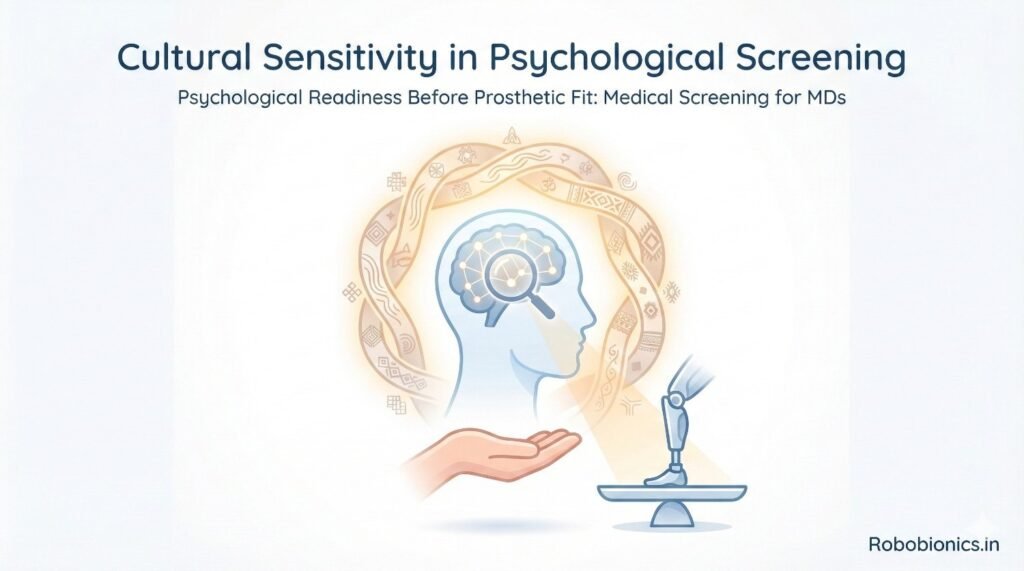
Cultural norms influence how patients express distress. Some cultures value silence and endurance.
Doctors should not mistake silence for readiness.
Gentle inquiry uncovers truth.
Men and women may experience different pressures after amputation. These pressures affect readiness and confidence.
Doctors should avoid assumptions and ask openly.
Individual stories matter.
Using familiar language improves comfort. Medical jargon creates distance.
Simple words create connection.
Connection builds honesty.
Success is not only about wearing the prosthesis. Comfort, confidence, and willingness to try matter.
Doctors should track these softer outcomes.
They predict long-term success.
Asking patients how confident they feel gives valuable insight. Confidence often predicts consistency.
Doctors should ask regularly.
Questions guide care.
Engaged patients attend sessions, ask questions, and report problems early.
Engagement signals readiness.
Doctors should nurture it.
Emotional preparation is not optional. It is as important as wound healing and limb shape.
Doctors who screen early prevent silent failure.
Mind and body heal together.
A few minutes of listening can change a patient’s entire journey. Doctors hold this power daily.
Attention is a clinical tool.
Used well, it transforms care.
The goal is not to fit a prosthesis. The goal is to help a person use it with confidence and dignity.
Psychological readiness makes this possible.
This is complete care.
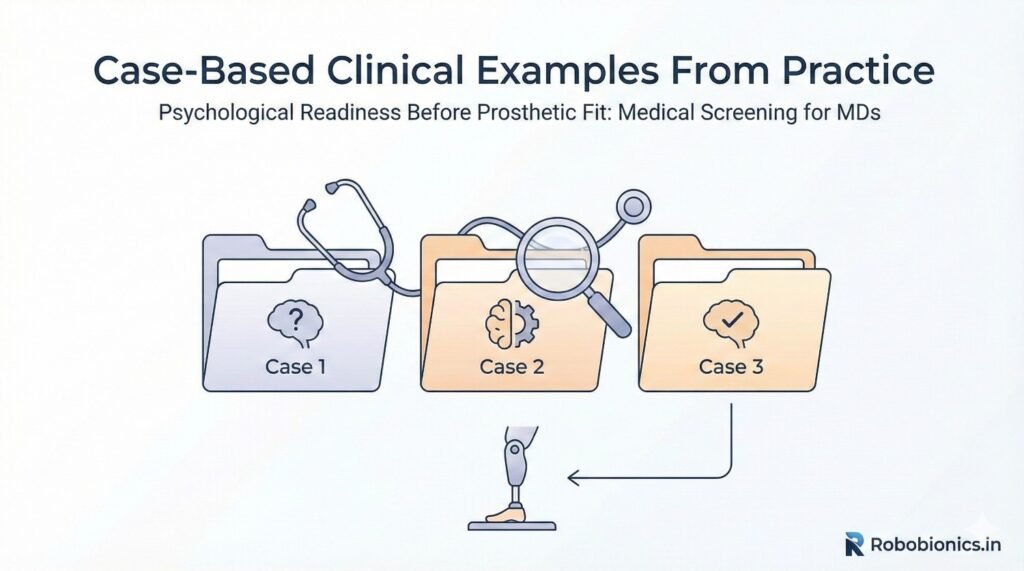
A middle-aged patient healed well after a below-knee amputation and met all physical criteria for prosthetic fitting. During visits, the patient answered briefly and avoided eye contact when the prosthesis was discussed.
Simple screening revealed fear of falling and worry about being a burden at home. Prosthetic fitting was paused while counseling support was introduced.
When fitting resumed, the patient engaged actively and adapted well. This case shows how emotional readiness changes outcomes.
A young trauma survivor pushed hard for early prosthetic fitting. Outwardly confident, the patient dismissed pain and fatigue.
During training, frustration and anger surfaced, leading to poor tolerance and missed sessions. Slowing the pace and addressing grief improved participation.
This case highlights that eagerness does not always equal readiness.
An elderly patient repeatedly delayed prosthetic appointments, citing minor health reasons. Gentle questioning revealed fear of falling and embarrassment.
Family education and low-pressure trials helped rebuild confidence. The patient later became a consistent user.
Avoidance is often a signal, not refusal.
Readiness is often confused with motivation. A motivated patient may still be emotionally overwhelmed.
Doctors should avoid judging readiness by enthusiasm alone.
Understanding matters more than drive.
Clinicians sometimes rush fitting to avoid losing patient interest. This often backfires.
A poor first experience damages confidence more than a short delay.
Quality matters more than speed.
Silence, missed appointments, or joking about fears are often dismissed. These are meaningful signals.
Doctors should notice patterns, not isolated comments.
Attention prevents missteps.
Doctors can ask how the patient feels about using a prosthesis, what worries them most, and what they hope life will look like after fitting.
These questions open conversation without pressure.
Listening is more important than answers.
Doctors should note eye contact, posture, willingness to discuss the future, and response to challenges.
These cues often speak louder than words.
Observation complements conversation.
Based on findings, doctors can proceed, pause, or refer for support. Decisions should be shared with the patient.
Transparency builds trust.
Trust supports engagement.
Psychological readiness should be considered alongside wound healing and limb shape.
Including it formally prevents last-minute surprises.
Structure supports consistency.
Prosthetists benefit from knowing a patient’s emotional state. This helps them adjust pacing and communication.
Clear handover improves first-fit experience.
Information reduces friction.
When teams agree on readiness goals, patients receive clear messages.
Mixed timelines create anxiety.
Alignment builds confidence.
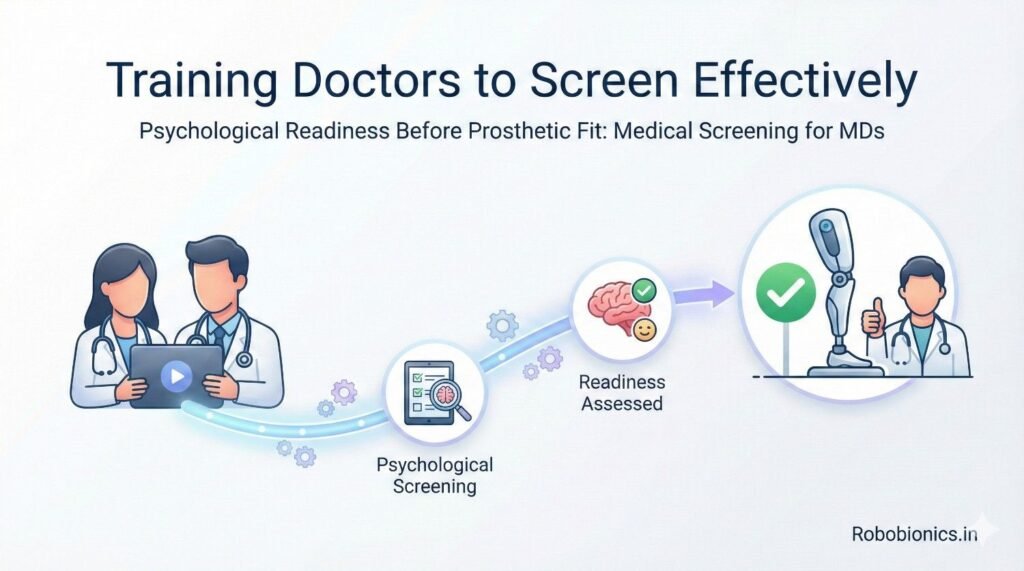
Many doctors feel untrained in emotional screening. Simple practice builds comfort quickly.
Doctors do not need to solve problems, only recognize them.
Recognition triggers support.
Empathy means listening and validating, not becoming a therapist.
Clear boundaries protect both doctor and patient.
Support does not require expertise.
Discussing challenging cases with peers improves skill over time.
Reflection sharpens intuition.
Experience builds confidence.
Patients screened and supported early are less likely to abandon prostheses.
Retention reflects readiness.
Outcomes validate effort.
Emotionally prepared patients learn faster and tolerate setbacks better.
Training becomes collaborative, not corrective.
Readiness saves time.
Patients who feel understood report higher satisfaction.
Trust strengthens long-term care relationships.
Care feels complete.
Every patient has a right to move at their own pace. Forcing readiness violates trust.
Doctors should protect patient dignity.
Respect supports healing.
Delays due to emotional readiness should never be framed as patient failure.
Language matters.
Kind framing preserves hope.
Prosthetic care is about restoring life, not just movement.
Doctors who see the whole person deliver better care.
Wholeness matters.
Ask about feelings, observe behavior, and listen without rushing.
These steps take minutes but prevent months of struggle.
Consistency creates impact.
Include psychological readiness in notes and discussions.
Make it visible.
Visibility makes it actionable.
Patients who feel ready walk into prosthetic fitting with confidence, not fear.
That confidence defines success more than any device.
This is modern, humane prosthetic care.
For many clinicians, the surgery is only the first step. What happens after the operation

For trauma amputees, the journey does not begin at the prosthetic clinic. It begins much

Amputation after cancer is not just a surgical event. It is the end of one

When a child loses a limb, the challenge is never only physical. A child’s body